When to Graft an Apricot Tree? A Detailed Guide to Common Grafting Methods
The apricot tree originated in China** and is one of the oldest cultivated fruit trees in China. It is mainly propagated by seed; when sowing, the seeds need to be stratified in moist sand to promote germination, and seedlings can also be used as rootstock for grafting propagation. So when is an apricot tree usually grafted? What are the grafting methods?
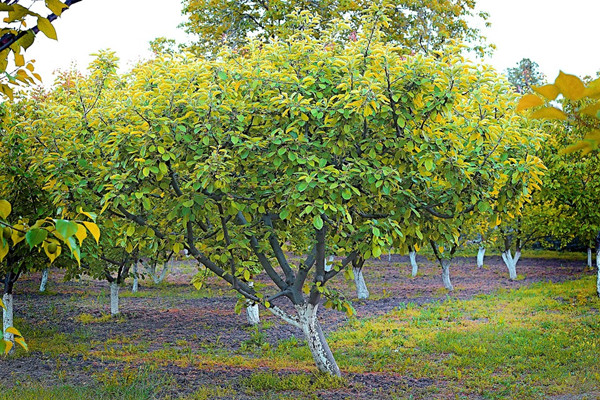
When is an apricot tree usually grafted?
Apricot tree grafting can roughly be divided into three periods, namely spring, summer and autumn. Summer and autumn grafting generally uses the bud grafting method, with the grafting period from June to September, but the rainy season in July should be avoided. In North China, the drought and high temperatures in mid-June are the first suitable grafting period, and early August after the rainy season is the second suitable period. Summer and autumn bud grafting should be carried out on sunny days; grafting on sunny days helps the graft union heal and results in a high survival rate.
Apricot Tree Grafting Methods
Bud grafting is the most important method for propagating apricot trees, and grafted apricot seedlings have a high survival rate.
1. Select healthy, vigorously growing apricot branches, cut 5-8 cm as the scion, keep 2-3 robust buds at the top, and cut the other end into a slanted surface.
2. Insert the apricot scion into the rootstock cut and tie it tightly with a plastic bag.
3. Check the survival of the grafted apricot seedlings. Check about 10 days after grafting; if the bud piece is fresh, it indicates good growth. If the petiole falls off when touched, it indicates that it has survived. If the bud piece shrivels and turns black, or the petiole does not fall off when touched, it indicates that it has not survived, and timely re-grafting is needed.
4. Before and after grafting an apricot tree, water thoroughly and promptly to promote sap flow and improve the grafting survival rate.
The Effects and Benefits of the Apricot Tree
1. The apricot tree blooms in early spring, with flowers appearing before leaves; it can be planted together with green pines and cypresses beside ponds and lakeshores, or planted beside rocks and cliffs and in front of courtyards and halls, and has ornamental value.
2. Apricot wood is hard in texture and is a good material for making furniture; apricot branches can be used as fuel; apricot leaves can be used as feed.
3. Apricot kernels can relieve cough and asthma and lubricate the intestines to promote bowel movements, and regular consumption has a beauty and skin care effect. Apricots can be made into preserved apricots, apricot jam, etc.; apricot kernels are mainly used for oil extraction and can also be made into food products.
4. The apricot is one of the common fruits and is extremely rich in nutrients, containing relatively high amounts of sugar, protein and minerals such as calcium and phosphorus, as well as provitamin A, vitamin C and B vitamins.