Introduction to Potted Ornamental Pepper Varieties and Detailed Cultivation Techniques
Many friends living in the city like to grow some flowers, plants and small vegetables on their balconies, which can purify the air, beautify the indoor environment and also be eaten. And when it comes to growing flowers and vegetables, you definitely should not miss potted peppers. Nowadays there are many potted ornamental pepper varieties that are not only tasty but also beautiful, looking from a distance like a pot of flowers. Below we introduce several ornamental pepper varieties suitable for potting as well as the key cultivation techniques!
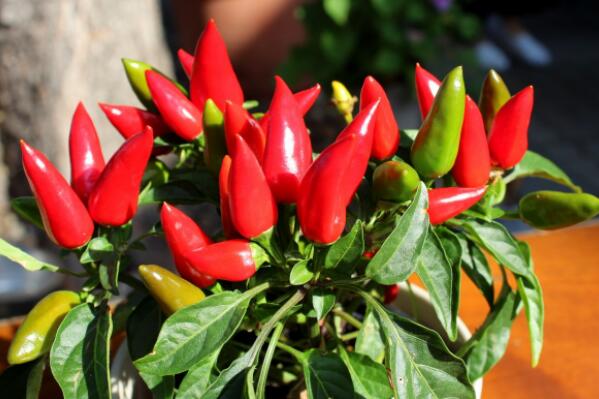
I. Nebula Fruit Pepper
It is horn-shaped, with fruit about 5 cm long and a single fruit weight of 25 grams. The fruit shape is exquisite, and the size is the same as ordinary peppers. It belongs to a type of sweet pepper, and when ripe the fruit color changes from light green to red. The fruit pepper is crisp, sweet and juicy, suitable for eating raw, and can be picked and eaten immediately. Because it is rich in various vitamins, especially vitamin C at up to 180 mg/100 g, it has a relatively good effect on preventing and treating mouth ulcers. The plant type is relatively tall, and a single plant is suitable for cultivation in a flowerpot with a diameter of more than 35 cm.
II. Wind Chime Pepper
The fruit shape resembles a wind chime, with fruit about 4 cm long and the fruit top about 5 cm wide, and the taste is relatively spicy; in the young fruit stage it is bright green, and after ripening it turns bright red. It fruits relatively late and belongs to a late-maturing variety; the plant type is spreading, with a plant height of 50 cm, and a single plant bears 30-40 fruits. A single plant is suitable for cultivation in a flowerpot with a diameter of about 35 cm.
III. Facing-Upward Colorful Pepper
The fruits grow upward, in a narrow, twisted little-finger shape, 4-6 cm long and about 1 cm wide, mildly spicy. The fruits are milky white at first, gradually turning yellow, then orange-red, and finally red. A single plant can simultaneously show fruits of several colors, and when all are red the whole plant takes on a torch shape. The plant type is short and naturally compact, with a plant height of about 20 cm and a plant spread of 20-25 cm, and each plant bears 40-50 fruits. A single plant is suitable for cultivation in a flowerpot with a diameter of about 15 cm.
IV. Rice-Grain Pepper
The fruits are the size of rice grains and are milky white when young, hence the name. The plant height is about 25 cm, with many branches and many fruits. The fruits are flat-round, with a fruit diameter of about 0.5 cm, and the taste is relatively spicy. During growth the fruits change through white, purple, red and other colors. The fruits grow upward and it is relatively shade-tolerant. The plant type is small and compact, suitable for cultivation in a flowerpot with a diameter of about 25 cm.
So, once you have chosen the variety you want to plant, you need to know how to grow it so that it looks good and yields well.
1. Ornamental peppers have a long seedling stage, so they are suitable for raising seedlings and transplanting. To ensure uniform and strong seedlings, the seeds can be soaked in warm water and pre-germinated before sowing.
2. Place the seeds in a cup or other container, first pour in a little cold water, and soak the seeds for about 3-5 minutes. After the seed coats are moistened and have absorbed some water, slowly pour hot water into the container, stirring while pouring, so that the seeds are heated evenly and the seeds are not scalded. When the water temperature in the container rises to 53°C-55°C, stop adding hot water. When the temperature drops, add a little more hot water to keep the water temperature at the required level. Maintain this for 10 minutes, then set it aside and let it cool naturally to 20°C-30°C.
3. After soaking, rinse the seeds with clean water, then wrap them well in clean wet gauze or a wet towel and place them in a well-ventilated spot at 25°C-30°C for pre-germination, rinsing the seeds once with warm water every 12 hours. Generally after two or three days some seeds will show white sprouts, and when the proportion exceeds 50%, sowing and seedling raising can begin.
4. Because the seedling stage is relatively long, the seedling soil needs a certain amount of organic fertilizer. The organic fertilizer must be fully decomposed, and other nutrient soil should be treated by sun-drying, which can effectively avoid and reduce sources of pests and diseases. It is recommended to use a mix of garden soil (preferably soil that has not grown eggplant, tomato or pepper) together with commercially purchased nutrient soil and organic fertilizer. A volume ratio of peat soil + garden soil + vermiculite + perlite + organic fertilizer at 4:2:2:1:1 is relatively ideal. Mix the soil and fertilizer thoroughly and evenly, then fill the seedling pots. Household disposable paper cups are relatively suitable as seedling pots.
5. Before sowing, water the seedling pots thoroughly. After the water has seeped through, place 1 pre-germinated seed in the center of each pot, then cover with a layer of fine soil about 0.5 cm thick, press gently and sprinkle with water. After sowing, a perforated thin transparent plastic film or newspaper can be placed over the pots, which both retains moisture and ensures sufficient oxygen; remove the cover promptly after the seedlings emerge.
6. Ornamental peppers relatively like light during the seedling stage, so they need sufficient light; during the full fruiting stage, pay attention to shading or move them indoors to prevent sunscald and fruit drop. The soil also needs to be kept fertile and loose. During the fruiting stage, topdressing can be done by spraying a 0.5% potassium dihydrogen phosphate solution on the leaves 2-3 times. As for watering, it is better to do it in the morning and evening.
7. Maintain good ventilation and remove old yellow leaves and poorly growing side branches. Pest prevention is also needed. Before planting, the seedling pots can be drenched with a 25% thiamethoxam water-dispersible granule solution diluted 2000-4000 times; a small number of whiteflies and aphids can also be brushed off with a writing brush, along with spraying with clean water.