Rhodomyrtus tomentosa 2018 Planting Cost, Economic Benefits, Yield per Mu, and Harvest Time
Rhodomyrtus tomentosa generally refers to downy rose myrtle (Rhodomyrtus tomentosa), also known as duoni, gangren, shanren, duolian, dangligen, renzishu, douren, zhongni, wuduzi, taojiuniang, dangni. The fruit is edible, and the whole plant is used medicinally. It has the effects of promoting blood circulation and dredging collaterals, astringing to stop diarrhea, and tonifying deficiency and stopping bleeding. So what are the 2018 planting costs and economic benefits of shanrenzi (downy rose myrtle)? How many jin per mu is the yield? When can it be harvested? It is reported that renzi is a wild fruit, and the seventh lunar month each year is its ripening period. It is a free wild fruit.
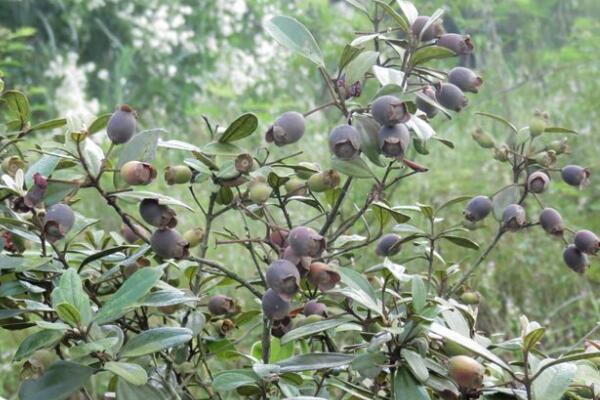
What are the 2018 planting costs and economic benefits of shanrenzi (downy rose myrtle)?
1. Early autumn is the season when downy rose myrtle fruits ripen. The fruit first turns from green to yellow, from yellow to red, and from red to purple. It bears fruit in abundance, like miniature wine cups. The fruit has a core inside, much like a worm, with many seeds around the core, and the taste is exceptionally sweet. Gangren is most delicious when ripe to a purple color. It promotes salivation and quenches thirst, with a sweet aftertaste, and will dye the tongue and teeth purple-black.
2. The roots of downy rose myrtle contain phenols, tannins, etc., and have effects in treating chronic dysentery, rheumatism, hepatitis, and lowering blood lipids.
3. Nourishes blood and stops bleeding; astringes the intestines and consolidates essence. Indicated for blood deficiency and physical weakness; hematemesis; epistaxis; hemoptysis due to strain; hemafecia; metrorrhagia and metrostaxis; spermatorrhea; leukorrhea; dysentery; rectal prolapse; scalds; traumatic bleeding. Astringes and stops bleeding.
4. Root: dispels wind and activates collaterals, astringes and stops diarrhea. Used for acute and chronic gastroenteritis, stomach pain, indigestion, hepatitis, dysentery, rheumatoid arthritis, lumbar muscle strain, functional uterine bleeding, rectal prolapse; externally for burns and scalds. [6] The root contains phenols, tannins, etc., and has effects in treating chronic dysentery, rheumatism, hepatitis, and lowering blood lipids.
Leaf: astringes and stops diarrhea, stops bleeding. Used for acute gastroenteritis, indigestion, dysentery; externally for traumatic bleeding.
Fruit: nourishes blood, nourishes, and calms the fetus. Used for anemia, post-illness physical weakness, neurasthenia, tinnitus.
5. At present, high-quality downy rose myrtle fruits sell for nearly 10 yuan/jin, and demand exceeds supply, with most being wild fruits. As a wild fruit, downy rose myrtle grows relatively easily, so if artificial management is applied, it is believed that the yield will double, and the quality will also improve. If it cannot be sold in a short time, it does not matter. It can be used to make wine, and the wine made from it is called renzi wine. It has effects such as nourishing and tonifying blood, promoting blood circulation and stopping bleeding, moistening the lungs, strengthening yang, and nourishing the liver and kidneys! It is very popular among consumers and can be said to surpass foreign wine. It has broad market prospects and is worth planting.
How many jin per mu is the yield of shanrenzi (downy rose myrtle)?
At present, shannianzi is mostly wild, and the specific yield per mu still needs to be determined by region. However, shannianzi can be planted if the climate is suitable. The planting conditions are as follows:
Humidity: Downy rose myrtle likes a humid climate environment and requires the relative air humidity of the growing environment to be 70-80%. If the relative air humidity is too low, the lower leaves will yellow and fall off, and the upper leaves will lose their luster.
Temperature: Because downy rose myrtle originated in tropical regions and likes high-temperature and high-humidity environments, it has strict requirements for winter temperature. When the ambient temperature is below 10°C, growth stops, and it cannot safely overwinter when frost occurs.