The Growth Process of Shiitake Mushrooms, How They Differ from Flower Shiitake, and an Analysis of Planting Costs and Profits
Shiitake, also known as xiangxun, xiangxin, xiangjun, donggu, and xianggu, is the fruiting body of the fungus of the Pleurotaceae family. So how does it grow? How is it different from flower shiitake? What are the costs and profits of planting? According to what grower Brother Hu learned, shiitake mushrooms are grown through sterilization, inoculation, and after cultivation to maturity, under suitable temperature and humidity environmental conditions.
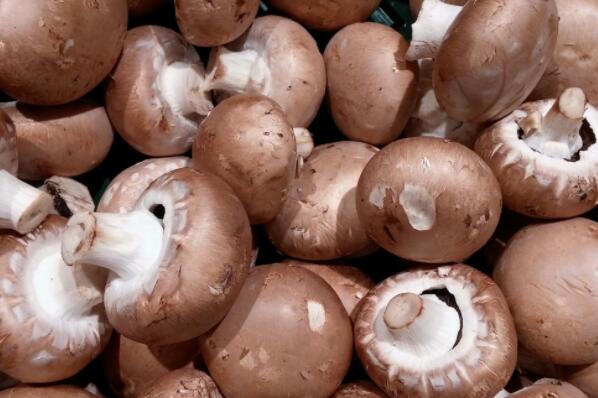
How are shiitake and flower shiitake different?
1. Appearance differences.
Flower shiitake is generally larger than shiitake, and its surface has white cracks, which shiitake does not have.
2. Growing environment differences.
Flower shiitake is formed only after shiitake encounters a special climate environment. Shiitake is more likely to grow into flower shiitake in a climate with generally low temperatures, little rain, abundant sunshine, and greater temperature differences. It is best if it snows today and then the sun comes out brightly tomorrow; this kind of alternating cold and hot temperature is most suitable for flower shiitake to form.
3. Price differences.
Shiitake is available every year, but flower shiitake is not necessarily. It only forms when the climate is suitable this year. Therefore, flower shiitake has a certain scarcity, and its price is generally more than twice that of shiitake. High-quality flower shiitake is about the same price as bird's nest.
4. Nutritional value differences.
Both flower shiitake and shiitake contain very high levels of unsaturated fatty acids, large amounts of ergosterol and fungisterol that can be converted into vitamin D, and have good effects on enhancing disease resistance, preventing colds, and treatment. But flower shiitake also has the effects of disease prevention, fitness, and delaying aging.
In addition, both flower shiitake and shiitake must be kept dry for storage and must not be exposed to moisture.
What are the costs and profits of shiitake planting?
1. Costs:
Material and service expenses include spawn, wheat bran, firewood, gypsum powder, bagging, disinfection boxes, “yi cha ling”, gloves, adhesive tape, and other materials. The project composition is: seed cost, fuel and power cost, tool and material cost, repair and maintenance cost, depreciation of fixed assets, etc., averaging 33108.31 yuan per mu;
Labor cost averages about 242 workdays per mu. Among these, family workdays are 211.70 days, and hired labor is generally hired when inoculating spawn and bagging, at 30.49 days, with an average cost of 15704.23 yuan per mu;
2. Profit:
Output and output value: average shiitake yield per mu is 1866.67 kg, average selling price is 63.40 yuan per kg, and average output value per mu is 120595.93 yuan. (Among this, the output value of the by-product shiitake stems is 2239.33 yuan, and its selling price is about 6 yuan per kg.
Shiitake planting benefit: based on the above output, output value, and cost accounting, the average net profit per mu is 70783.39 yuan.