How many jin per mu does chayote yield, and what are the planting costs and benefits?
Chayote, also known as harvest melon, foreign melon, holding melon and so on, has fruits, tender stems and leaves, tendrils, and underground tubers that can all be used in dishes, making it a veritable pollution-free vegetable. It is deeply loved by people, and many farmers rush to plant it. So, how many jin per mu does chayote yield? What are the planting costs and benefits?
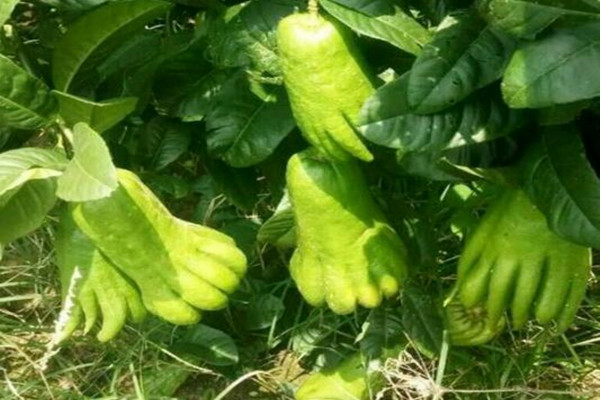
How many jin per mu does chayote yield?
If chayote is grown by raising seedlings from seed melons and transplanting large seedlings, 20 to 30 plants can be planted per 667 sq m. When growing with small seedlings from cut-section cuttings, the density can be appropriately increased, with row spacing of 3 m to 4 m and plant spacing of 2 m, at 80 to 120 plants per 667 sq m.
The yield of chayote is determined by management. Chayote flowers and sets fruit in a relatively concentrated way, which has a great effect on vine growth. It should be picked in time to reduce nutrient consumption, which is beneficial to the growth and development of later crops of melons, so as to increase yield. Generally, 200 to 600 melons can be harvested per plant, and 3000 kg to 5000 kg per 667 sq m.
What are the planting costs and benefits of chayote?
Chayote blooms seven times a year and sets fruit three times in the three seasons of spring, summer and autumn, with a fresh fruit yield of 3000 kg per mu. Calculated at 7 yuan per kg of fresh fruit, after deducting the cost of more than 2000 yuan per mu for fertilizer, land rent and labor wages, the net income per mu reaches 19000 yuan.
How to eat chayote
There are many ways to eat chayote. The fresh melon can be sliced or shredded, stir-fried with meat, stir-fried without meat, served as a cold dish, made into soup, cooked in hot pot, or used as a high-quality dumpling filling, and so on. It can also be processed into pickled products or made into canned food. In foreign countries, chayote is eaten by methods such as steaming, baking, deep-frying and light frying. Besides the fruit, the rhizome can also be eaten, with a method and flavor similar to potatoes, and it contains more vitamin A and C. The tender leaves and new shoots can also be eaten as vegetables.
When eating chayote, it is best to choose young fruits with glossy shoulders and relatively shallow longitudinal grooves on the surface of the peel; those with bright green, tender peel that has not yet hardened are best. The market period for chayote is late autumn, and it stores very well. At room temperature it can be kept from October all the way to March—April of the following year, with basically no change in flavor.
Efficacy and effects of chayote
Among melon vegetables, chayote is comprehensively rich in nutrition, and regular consumption is beneficial for strengthening the human body's ability to resist disease. Eating chayote often can promote urination and sodium excretion, and has the function of dilating blood vessels and lowering blood pressure.
According to medical research reports, zinc has a relatively large effect on children's intellectual development, and children lacking zinc have low intelligence. Regularly eating chayote, which contains more zinc, can improve intelligence. Chayote is beneficial for infertility caused by nutritional reasons in both men and women, especially for men's sexual function decline. It is suitable for everyone to eat, suitable for both the old and the young. Applicable amount: 1 per time.