Is Chinese chive a "trigger food"? What to spray when leaves turn yellow and the simplest growing method
Chinese chive, also known as Fengben, Caozhongru, Qiyangcao, lazy man's vegetable, longevity chive, yang-tonifying herb, flat vegetable, etc., has strong adaptability, is cold-resistant and heat-tolerant, and is cultivated everywhere across the country. So is it a trigger food? What to spray when the leaves turn yellow? What is the simplest growing method? It is understood that trigger foods refer to foods rich in nutrients or irritating, which are particularly likely to induce certain diseases (especially old or chronic illnesses) or aggravate existing diseases. Chinese chive belongs to the pungent category of trigger foods, and is a practical trigger food summarized by folk experience. The taboo on trigger foods is of great significance in dietary health preservation and dietary therapy. Under normal circumstances, trigger foods are also foods, and moderate consumption will not cause side effects or discomfort for most people; only for certain special constitutions and related diseases will they induce illness.
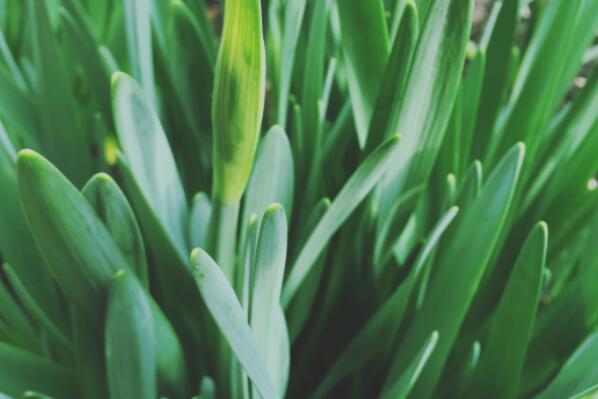
What to spray when Chinese chive leaves turn yellow?
Yellowing and dying of Chinese chive is a production problem vegetable growers often encounter. In the process of prevention and control, due to the lack of accurate judgment of symptoms, the abuse of pesticides is relatively common, and the result is often that money is spent and labor is wasted without achieving the expected control effect. Therefore, the first thing is to know the cause of yellowing, and then treat it accordingly.
I. Common causes
1. Caused by non-infectious diseases. The characteristics of occurrence are: Chinese chive leaves develop leaf blight in concentrated, contiguous patches within a short period, and the occurrence time is often highly consistent, with uniform symptoms; even if there are changes, they are caused by changes in environmental conditions, and the disease is not infectious. It mainly includes: ammonia poisoning, acid damage caused by low soil pH, deficiency diseases (caused by lack of macroelements or microelements, mainly nitrogen deficiency, calcium deficiency, magnesium deficiency, boron deficiency, iron deficiency, etc.; at present, the phenomenon of dry tips and yellow leaves of Chinese chive caused by calcium deficiency and boron deficiency in the soil is the majority) and high-temperature damage.
2. Caused by infectious diseases. The characteristics of this type of disease are: the occurrence of the disease gradually expands from a point to a surface, spreads gradually, and occurs in local or multiple-point infections, often showing symptoms such as powdery substances, moldy substances, and spots. After the lesions on the leaves expand, they cause the leaves to dry up and die. Common diseases include phytophthora blight, gray mold, viral disease, sclerotinia rot, etc.
3. Damage by pests. Mainly chive maggots and onion thrips.
II. Countermeasures
1. Prevent ammonia poisoning. Ammonia poisoning mainly occurs in greenhouses, so before and after mulching, do not directly apply large amounts of ammonium bicarbonate or broadcast urea and cake fertilizer on the ground; acidified soil cannot be adjusted with quicklime; ventilate the greenhouse appropriately. In principle, do not ventilate from the bottom, only open the middle and upper vents. If the above 3 points are achieved, ammonia poisoning damage can be effectively prevented.
2. Avoid causing soil acidification. Avoid partial application of chemical acidic fertilizers and physiologically acidic fertilizers; for open-field Chinese chive, quicklime can be used to adjust soil pH; after greenhouses are covered with film, ammonium nitrate and urea can be applied as topdressing, and ammonium bicarbonate, cake fertilizer and manure are strictly prohibited. Water promptly after fertilizing.
3. Prevent deficiency diseases. When applying fertilizer, attention should be paid to increasing the amount of barnyard manure and reducing the amount of chemical fertilizer; nitrogen, phosphorus and potassium fertilizers should be reasonably combined, and microelement fertilizers should be supplemented to ensure balanced and sufficient nutrient supply.
4. Avoid high-temperature damage. For greenhouse Chinese chive, proper ventilation and watering are key to preventing high-temperature damage. When the temperature in the greenhouse reaches 20-25°C, ventilation should begin at a small rate. As the temperature rises, the ventilation volume should be increased. In principle, do not ventilate from the bottom, only open the middle and upper vents. The ventilation speed should be slow, and cold air must not suddenly enter in large amounts. The daytime temperature in the greenhouse should not be higher than 30°C, and the nighttime temperature should not be lower than 8°C. The day-night temperature difference should be minimized as much as possible. Water timely during high temperatures; increasing nitrogen fertilizer can also enhance the heat tolerance of Chinese chive. For open-field Chinese chive in the hot summer season, shade net cultivation should be used to reduce temperature and light intensity.
12