When Is the Best Time to Sow Cilantro Seeds? A Detailed Guide to Germination Time and Growing Methods
Cilantro is a fairly common vegetable in everyday life, and because of its distinctive aroma it is widely used as a seasoning. It is now grown in many regions, but to grow cilantro well you need to understand the right planting time and techniques. So when is the best time to sow cilantro seeds? How long until they germinate? How do you grow them?
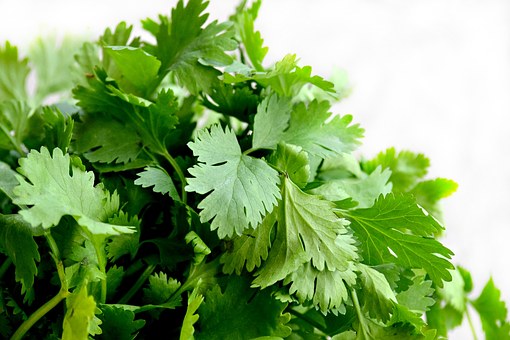
Cilantro planting time:
Cilantro can be planted all year round, but it is generally planted in spring and autumn, so now is a good time to plant cilantro. These days more people plant autumn cilantro in September, but in August you can also plant heat-tolerant varieties; the germination rate will not be very good, but the returns are decent! In addition, there is a saying in the north: radishes in the first fu, greens in the second fu. Cilantro can also be planted together with cabbage, it just emerges more slowly, so moisture-retention measures are needed, such as covering with wheat straw or dry grass.
How long until germination?
Under normal circumstances cilantro will germinate in about a week. The exact time depends on temperature and humidity. It is an annual or biennial herb with a strong odor, 20-100 cm tall. The root is spindle-shaped, slender, with many fine branch roots. The fruit is spherical, with the main ridges on the back and the adjacent secondary ridges prominent. The endosperm is concave on the ventral side. The oil tubes are not obvious, or there is 1 located below the secondary ridges. The flowering and fruiting period is April to November.
How do you grow it?
1. Seed treatment
Choose a high-quality variety, soak the seeds in clean water at 15°C—20°C for 12—24 hours (changing the water once in between), remove them and drain off the excess water, put them in a wet cloth bag, then place them in a ground pit to sprout for a full day and night, then mix in a 800-fold solution of Xin Gao Zhi Mo (using Xin Gao Zhi Mo for seed dressing can repel underground pests and diseases, isolate viral infection, does not affect the imbibition function needed for germination, strengthens respiration intensity, and raises the seed germination rate). Then immediately broadcast the seeds on a leveled seedbed, sowing the right amount, and cover with a little fine sand and thin soil, then spray the soil surface with a 800-fold solution of Xin Gao Zhi Mo, which can preserve soil moisture and prevent water evaporation, protect against sun and drought, keep warmth and prevent freezing, prevent soil crusting, suffocate and isolate pest and disease sources, and raise the emergence rate.
2. Sowing
Cilantro has a relatively short growth period, but its main root is thick and strong, it is a shallow-rooted vegetable, has poor soil-penetrating ability, and has strong fertilizer uptake. For growing cilantro you must choose fertile land, which is good for cilantro cultivation and management, and further promotes root absorption and vigorous plant growth.
3. Planting
Cilantro cultivation can be divided into two types: large-leaf cilantro and small-leaf cilantro. Small-leaf cilantro is suitable for autumn planting, and the suitable planting period is mid-August, with row sowing at a row spacing of 10-15 cm and furrows 5 cm deep; for broadcast sowing, furrows 4 cm deep. Pay attention to watering and keep the soil moist to help emergence. At the same time, also watch out for soil crusting before the cilantro emerges, which can prevent seedlings from pushing through the soil. Check for seedlings promptly after sowing; if you find soil crusting when the seedlings are emerging, quickly spray water and loosen the soil to help the young shoots emerge and promote rapid growth.
4. Field management
In order to create a soft and comfortable growing environment for cilantro and living conditions favorable to growth and development, and to achieve management with suitable temperature and moisture, repeated careful intertillage, soil loosening and weeding are key. When the seedlings grow to about 3 cm, thin and finalize the seedlings. Generally, during the whole growth period, intertillage, soil loosening and weeding are done 2—3 times. The first is mostly when the seedlings are pushing through the soil, using a light hand hoe or small rake to lightly break the soil surface and loosen the soil, eliminating the crusted layer. At the same time, pull out the weeds that emerged early, to help the seedlings emerge and grow vigorously. The second is done when the seedlings are 2—3 cm tall, and for row sowing a small flat hoe can be used to loosen the soil somewhat deeply, combined with pulling out weeds. The third is done when the seedlings are 5—7 cm tall. This early intertillage, soil loosening and weeding can promote vigorous seedling growth. After the leaves close over the ground, whether row-sown or broadcast-sown, no more intertillage or soil loosening is done, only a few targeted weedings. Cilantro is not drought-tolerant, so it must be watered lightly every 5—7 days, basically 5—7 waterings over the whole plant growth period, keeping the soil moist at all times. In the middle of the growth period, apply 15 kg of urea per 0.1 hectare to ensure good growth.
Cilantro seeds germinate fairly quickly; you just need to get the temperature and the humidity in the air right. When treating cilantro seeds for germination, you need to do a good job of isolating pest and pathogen sources, to avoid affecting the survival rate of later planting. Once this is done, you just need to choose a suitable time to plant.