How Many Times Does a Pitaya Flower and Fruit in a Year? Yield per Plant and Cultivation Methods
Pitaya, also known as red dragon fruit, is a fairly common fruit on the market. It is popular for its anti-aging and antioxidant effects, and nowadays most households like to grow it at home. So how many times does a pitaya plant flower in a year? How many times does it fruit? How many fruits can one plant bear? How do you grow it?
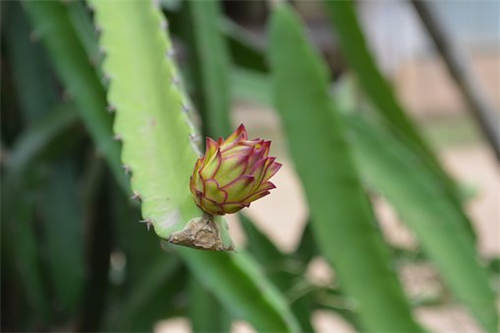
Pitaya can fruit once a year and flower 15 times. It is generally planted in February or March in spring. About 12 to 14 months after planting, it begins to flower and fruit, and it can flower 12 to 15 times each year. The fruiting period runs from April to November, and the fruit ripens 30 to 40 days after the flowers fade.
How many fruits can one plant bear?
The pitaya fruit weighs 500-1000 g each. In the second year after planting, each column produces more than 20 fruits. In the third year it enters the full fruiting stage. With a relatively high level of management, the yield can reach 2500 kg/667 sq m.
Cultivation methods:
Temperature
Temperature is almost the decisive factor for pitaya. Its place of origin is the tropical regions, which makes pitaya a typical tropical and subtropical fruit. It is not afraid of high temperatures but is very afraid of low temperatures. The planting area requires an annual average temperature of no less than 18°C, an average January temperature of no less than 8°C, and an extreme low temperature of -3°C with a duration of no more than 6 hours. The optimum growing temperature range is 25 to 35°C. Growth stops below 10°C and above 38°C, and the plant resists stress through its characteristic brief dormancy.
Soil
Pitaya is a plant with very strong vitality and extremely broad adaptability to soil. It can grow well in mountainous land, dry land, semi-dry land, rocky mountain land, wasteland and waterlogged low-lying land. This is especially true of pitaya grafted onto local night-blooming cereus, which has even broader adaptability. Although pitaya is highly adaptable, it still has a soil pH environment that suits it best. Generally speaking, pitaya grows best in neutral or slightly alkaline soil, that is, at a pH between 7.0 and 7.8. Therefore, for soil that has been fertilized with chemical fertilizers many times, it is recommended to use plant ash, lime or river mussel shell powder to make the soil slightly alkaline.
Water
Pitaya is a drought-tolerant plant, but its growth requires fairly abundant water. If the pitaya planting site lacks water for a long time, pitaya growth will stall, and even the original thick fleshy stems will slowly wither. From May to November each year, pitaya is in its flowering and fruiting period. At this time the pitaya plant needs a relatively large amount of water, especially during the fruit-swelling stage, when the water requirement is greatest. It is best to keep the soil water-holding capacity at 50 to 80%. Likewise, if there is too much water in the soil, especially if oxygen is lacking, the roots will easily rot, and if the plant is submerged for more than half a day it will die.
Light
Pitaya is a typical sun plant and likes warm, direct sunlight. If there is a long period of sunshine and ample sunlight, photosynthesis is especially vigorous, the fleshy stems are thick and a deep green, and there are many flowers and large fruits with a high yield. Conversely, the amount of fruit set decreases noticeably. Therefore, it should be planted on open wasteland, especially on sunny slopes. The optimum light intensity is above 8000 lux. Light conditions below 2500 lux have an obvious effect on nutrient accumulation. For relatively old mature stem sections, concentrated high-intensity direct sunlight over too long a time means the accumulated heat cannot dissipate, which will cause sunscald on some pitaya branches.
Fertilizer
In the early stage of planting, pitaya uses less fertilizer than many traditional fruits, but this does not mean that pitaya does not need various nutrients. On the contrary, because pitaya grows quickly and has a high yield per mu, the fertilizer needed throughout its entire growth cycle must be sufficient. In the early growth stage, enough nitrogen fertilizer should be supplied to help the plant grow tall and strong quickly and produce more branches. In the middle and late stages of plant growth, a balanced application of nitrogen, phosphorus and potassium fertilizers should be used to increase the plant's photosynthesis, promote early flowering and raise the protein and vitamin content of the fruit.