How to plant lettuce seeds? Master the planting time and germination days
Lettuce is the common name for leaf lettuce, and it is grown in most parts of China. Because the growing method is simple and it is easy to care for, many people grow it to make money, but to get a high yield of lettuce, you need to choose the right planting time. So when is the best time to plant lettuce seeds? About how many days until they germinate? How do you plant them?
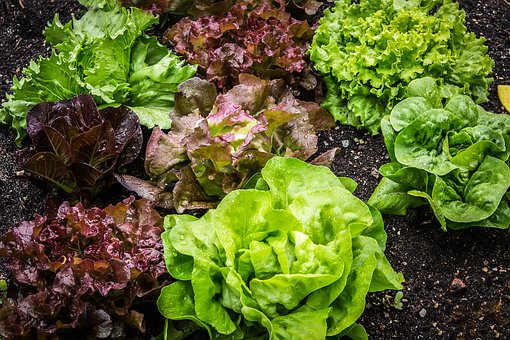
Lettuce planting time:
Lettuce likes a cool climate, so the sowing time is generally in spring and autumn. In spring, sowing usually starts from February to April, and harvest can be from May to June, while autumn sowing can start at the end of August, and harvest can be from September to October. Because different varieties of lettuce have different characteristics, when choosing the sowing time, you should first read the instructions for the lettuce seeds you bought, and then sow according to the sowing times above. Spring and summer are suitable for sowing loose-leaf lettuce (such as butterhead lettuce, colored-leaf lettuce), which is more heat-tolerant. Autumn and winter are suitable for sowing head lettuce (also called iceberg lettuce), which is not heat-tolerant.
Seed germination time:
Germination in about 10 days. The seed germination temperature is 15—20°C. Above 25°C, because the seed coat's water absorption is hindered, germination is poor. When sowing lettuce in summer, low-temperature treatment is needed. After soaking the seeds, place them in the refrigerator's cold storage compartment to sprout, and sow after the sprouts show white.
Sprouting method:
Lettuce seeds are generally best sown and raised in a sunny seedbed in mid to late February, and the main problem with spring sowing in a sunny seedbed is insufficient soil temperature, slow emergence, and excessive labor making the seedlings uneven and weak. To ensure complete, uniform, and strong seedlings, it is best to soak the seeds and sprout them before sowing. For open-field autumn cultivation of lettuce, sowing and raising seedlings is generally done in mid to late August. The seedling period is right at the turn of summer and autumn, when the weather is hotter, and the suitable temperature for lettuce seed germination is 15-25°C; above 25°C the seed germination rate drops noticeably.
Therefore, under natural conditions, seed germination is relatively difficult. So soaking the seeds is also needed, and sprouting should be done in a 15-20°C environment. The method for soaking and sprouting lettuce before spring sowing is: first soak the seeds in 25-30°C warm water for 7-8 hours, then remove them, let them dry slightly, and sprout them at 15-20°C. When 80% of the seeds have sprouted, they can be sown. Because the well water temperature in summer is lower and the air temperature inside the well is higher, for summer lettuce sprouting, people traditionally hang the seeds in the well to sprout.
The specific method is: put the well-soaked seeds, after letting them dry slightly, into a cloth bag, hang it in the well about 0.5 m above the water surface, take it out once a day and rinse it with clean water, and after 3-4 days, when most of the seeds have sprouted, they can be sown. In addition to the above sprouting methods, treating the seeds with plant hormones, such as soaking the seeds in a 100PPM kinetin solution for 3 minutes, or soaking them in a 1000PPM gibberellin solution for 2-4 hours, and then sprouting them, gives very good results.
Attached sowing methods
1. Sowing: Lettuce seeds are too small and too light, so they need to be mixed with fine sand, stirred evenly in a container, and then scattered onto the soil, covered with 0.5-1 cm of soil, a thin layer. At 15-20°C they germinate in about 3-5 days; when the temperature is above 25°C, germination is difficult. When planting in summer, sprouting is needed: soak the seeds for 1 night, then wrap them well in wet gauze, put them in the refrigerator's cold storage compartment (about 5°C), and sow again when more than half of the seeds have shown white.
2. Seedling stage: During the lettuce seedling stage, keep the soil moist, not dry, and keep the soil permeable. Thin the seedlings when there are 2-3 true leaves, with a plant spacing of 5-8 cm.
3. Transplanting: When the lettuce seedlings grow to 5-6 true leaves, transplant them. Before transplanting, water thoroughly first, and move them together with the soil on the roots into a large pot. For loose-leaf lettuce, the plant spacing is 15 cm, and 30 cm for head lettuce. Water thoroughly. In summer, first place them in a shady spot to recover, and after about 1 week, once the roots have established, give normal sunlight.
4. Fertilizing: One week after transplanting the lettuce seedlings, apply fertilizer once (nitrogen fertilizer is main, and decomposed organic fertilizer is best). Two weeks and four weeks after transplanting, apply organic fertilizer or a compound fertilizer mainly of nitrogen, phosphorus, and potassium once each. Stop fertilizing 2 weeks before harvest.
5. Watering: When lettuce is grown at high temperatures, water in the early morning and evening. Small amounts and frequent watering are best, but waterlogging should be avoided. In the early growth stage, controlled watering is suitable; just keep it moist.
How do you grow lettuce in a flower pot?
1. Choose a suitable container:
Any container with good drainage is suitable for growing lettuce. Lettuce's root system is very shallow and does not need a very deep flower pot; a relatively wide and shallow container is suitable. The bottom of the pot should have drainage holes, and a depth of 15 cm is enough. Ordinary plastic pots, ceramic pots, or clay pots are all fine.
Lettuce is a vegetable that likes a cool environment, and its care does not require too high a temperature. It can be grown in all four seasons, though of course lettuce can only be grown in winter in warm regions.
Usually seeds are used to raise seedlings. Scatter the seeds evenly under 2-3 cm of potting soil, keep the potting soil slightly moist, and keep them in a bright, ventilated, and warm place; they will take root and sprout in about two weeks.
When growing lettuce in summer, put it in a shaded place, keep the environment cool and ventilated, and avoid exposure to strong sun or a hot environment. Just a little light in the morning or evening is enough.
2. Potting soil selection
The soil for caring for lettuce can be ordinary garden soil, though potting soil rich in humus is best. The best is decomposed manure plus garden soil and peat soil; compost soil is also a very good choice. Just make sure the soil is fertile and drains well.
3. Watering notes
In summer, water frequently, keep the potting soil slightly moist, and do not let the potting soil dry out completely. Water when the potting soil is slightly dry, and also avoid water accumulating in the potting soil; water accumulation easily causes root rot.
4. Apply thin fertilizer frequently
Lettuce is a vegetable that grows especially fast. During care, you need to ensure sufficient fertilizer. You can fertilize once every 2-3 weeks, giving a thin, even fertilizer. Usually a quick-acting liquid fertilizer is used; do not apply concentrated fertilizer.
Other notes:
Do not plant potted lettuce too densely; leave some appropriate spacing between plants, maintain appropriate shading during care, and prevent the soil from becoming too dry, especially during the hot afternoon period. Give it a cool environment.