Is perennial Schizonepeta the same as catnip? Seed prices, planting techniques and medicinal effects
Schizonepeta, also known as fragrant Schizonepeta, xianqi, four-angled stalk wormwood, and jiasu, is a perennial plant of the Lamiaceae family, genus Schizonepeta. So, is Schizonepeta the same as catnip? About how much does a jin of seeds cost? What are the planting techniques? What are its medicinal effects? According to the Hubei Seed Company, Schizonepeta seeds cost about 34 yuan/jin, with a sowing rate of 4--5 jin per mu, flowering from June to July each year, and seeds maturing from September to October. It can be used both medicinally and as food, making it a good project for agricultural profit.
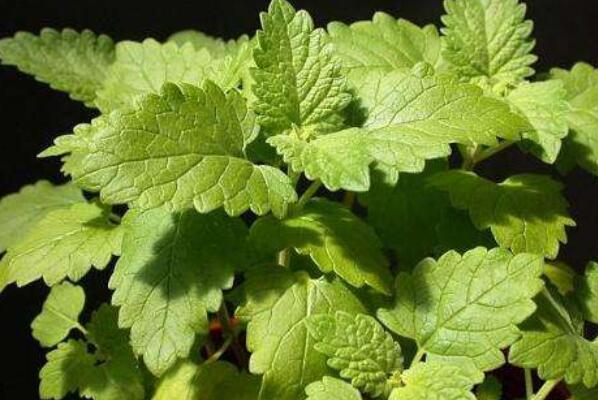
Is Schizonepeta the same as catnip?
No. Catnip has a mild taste with a hint of coolness, while Schizonepeta has a strong, pungent flavor. What they have in common is that both can dispel wind, but they are best used in summer. If used in winter, catnip is cooling, while Schizonepeta is a pungent, warming heat-relieving herb and is one of the commonly used Chinese herbal medicines; it can calm phlegm, dispel wind, and cool the blood. It treats influenza, headache with chills and fever, induces sweating, and relieves vomiting.
What are the planting techniques for Schizonepeta?
1. Nursery site selection
Schizonepeta is distributed in Gansu, **, Inner Mongolia, Henan, Hebei, Guizhou, Hubei and other places in China, and has an extremely strong ability to adapt to the environment. Schizonepeta by nature likes a sunny, warm and humid growing environment, and has no strict soil requirements; it can be sown in general soil. However, it grows better in loose, fertile soil. Schizonepeta is averse to waterlogging and drought, and the planting base must not have waterlogged, low-lying plots. Schizonepeta is tolerant of high temperatures, and large seedlings prefer a dry, well-ventilated growing environment.
2. Land preparation
1. Deep plowing: The plants grown at a Schizonepeta base are relatively dense, making fertilization during the growing period difficult; most of the base fertilizer is broadcast before plowing the field, with 3~4 tons of organic fertilizer per mu, and more base fertilizer should be used for continuous cropping. After evenly spreading the base fertilizer on the ground, plow to a depth of about 25 cm; the soil should be fine and free of large clods.
2. Making beds: Fields without irrigation conditions may skip bed-making and be broadcast-sown in the open field. Land with irrigation conditions should be made into fixed beds 1.5 m wide and 10~30 m long, and the soil should be raked level.
3. Sowing
Schizonepeta seeds have a very high germination rate, so there is no need to pre-sprout before sowing; simply broadcast them and rake soil over to cover.
4. Seedling-stage management
Loosen the soil, water, and fertilize.
What are the medicinal effects of Schizonepeta?
1. Schizonepeta can be used to stop bleeding, and can also treat incomplete rash eruption; it is used to dispel wind and treat wind-cold colds.
2. Schizonepeta can treat fever and headache caused by wind-cold, especially headache without sweating.
3. Schizonepeta can be used to treat the symptom of unsmooth rash eruption caused by measles.
4. Schizonepeta can treat many bleeding symptoms such as uterine bleeding, bloody stools, and nosebleeds; according to the different bleeding sites, corresponding hemostatic formulations can be compounded and combined.
5. Schizonepeta has a relatively mild nature, so it can be used for both wind-cold and wind-heat colds. This is a rather special herb among pungent, warming exterior-releasing medicines, and it is also an important characteristic.