How much does Scrophularia ningpoensis seed cost per jin? Detailed explanation of planting time and cultivation techniques
Scrophularia ningpoensis, a traditional Chinese medicine name, is a herbaceous plant of the Scrophulariaceae family, with the effects of clearing heat and cooling blood, nourishing yin and reducing fire, and detoxifying and dissipating masses. So, how much does Scrophularia ningpoensis seed cost per jin? When is it planted? What are the cultivation techniques?
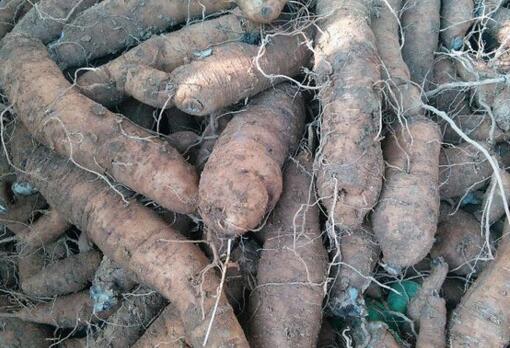
I. How much does Scrophularia ningpoensis seed cost per jin? When is it planted?
The price of Scrophularia ningpoensis seed is about 40 to 50 yuan per jin, but prices vary depending on seed quality, variety, place of origin, market and so on. Scrophularia ningpoensis is commonly propagated by daughter buds, seeds, division and cuttings; in production, daughter bud propagation is generally used, and the propagation rate with seeds is relatively low, but plants grown from seed grow fast, can produce a crop in one year, and suffer fewer diseases. In the south, Scrophularia ningpoensis is planted in both spring and autumn; spring sowing is carried out in February, and autumn sowing from October to early November. Spring sowing can be harvested in the same year, but the quality is relatively poor; autumn sowing grows fast and is harvested the following year, with better quality and yield than spring sowing.
II. What are the cultivation techniques?
1. Site selection and land preparation: For planting Scrophularia ningpoensis, choose deep sandy loam soil, and plant on sunny slopes of barren hills; a previous crop of legumes or grasses is best. The roots of Scrophularia ningpoensis go very deep into the soil and have a strong ability to absorb nutrients, so deep ploughing is needed and sufficient base fertilizer should be applied.
2. Intertillage and weeding: When Scrophularia ningpoensis seedlings emerge, pull out any weeds; however, when weeding, do not loosen the soil too deeply, to avoid damaging the root tubers. From April to June, carry out intertillage and weeding 3 to 4 times; after June, once the plants have grown larger, there is no need to loosen the soil again, but still pull out any weeds.
3. Timely topdressing: In addition to applying sufficient base fertilizer, before the rows close, topdress 1 to 2 times mainly with phosphorus and potassium fertilizer, and also apply some barnyard manure or compost, placing it in small holes or furrows beside the plants, covering with soil and firming it, and earth up around the roots.
4. Reasonable thinning: In the second year after planting, Scrophularia ningpoensis will grow many seedlings from the roots, which makes the roots swell and increases yield; promptly pull out the excess shoots, generally leaving only 2 to 3 plants.
5. Timely topping: When Scrophularia ningpoensis grows to a certain extent, it will send up flower stems. If the Scrophularia ningpoensis is being harvested as a commercial product and not used for seed, promptly remove the flower stems when they emerge, so that nutrients are concentrated in the root tubers and the roots are encouraged to swell.
6. Watering and drainage: Scrophularia ningpoensis is relatively drought-tolerant and not tolerant of waterlogging. When drought is particularly severe, water appropriately to keep the soil moist, but do not allow heavy waterlogging; in the rainy season, when there is a lot of rain and water accumulates, drain it promptly.