Does Bryophyllum pinnatum flower? Will it die after flowering? How should it be cared for?
Bryophyllum pinnatum is a perennial herbaceous plant, 40-150 cm tall, native to Africa, cultivated throughout China as an ornamental. So, does Bryophyllum pinnatum flower? Will it die after flowering? How should it be cared for?
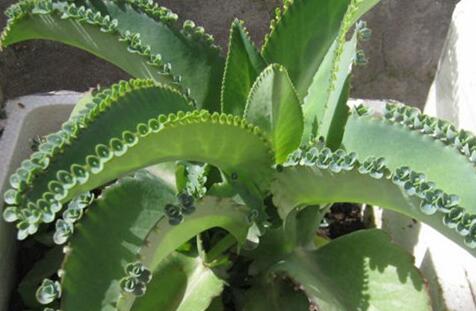
1. Does Bryophyllum pinnatum flower? Will it die after flowering?
Bryophyllum pinnatum does flower, and its flowering period is generally from January to March. However, once this plant flowers, it consumes a great deal of the nutrients it has stored, and it usually dies after flowering, so Bryophyllum pinnatum does not flower easily, which leads people to mistakenly believe that it does not flower.
It is a very common succulent plant, and its propagation is extremely simple and its ability is very strong, living up to its name: just a tiny piece is enough for a new plant to grow again, and it can produce offspring in a very short time. Its flowering period is from January to March, and many people say it has no ability to flower, which is wrong; if it does flower, it consumes the nutrients it has accumulated, so it rarely flowers, and it easily dies after the flowers bloom.
2. How should Bryophyllum pinnatum be cared for?
1. Pruning
If the plant grows old, its stems gradually become woody, and its growth is unattractive and not upright, then its ornamental effect is reduced, and one section of the stem should be removed to help it grow new stems faster. You can cut off a disease-free part in relatively good growing condition to propagate anew, and you can mix rotted leaves and sand as the growing medium.
2. Water and fertilizer
Water only when the soil is dry; there is no need to worry about it lacking water, because it is fairly drought-tolerant. Fertilizing also does not need to be done too many times, otherwise it will grow too vigorously and rot. Give it plenty of sunlight, otherwise the leaf edges will fade. During the flowering season the temperature is still relatively low, and indoors it needs to stay above 7°C.
3. Pest and disease control
When it flowers, it easily attracts small insects, and diseases may also affect its health. If it gets powdery mildew or aphids, etc., you can spray with thiophanate-methyl at a concentration of 70%. Or spray with dimethoate emulsifiable concentrate at a concentration of 40%.