What potted plants are suitable for growing indoors? With care methods
In recent years, as living standards have improved, more and more friends like to grow some potted plants at home, such as aloe vera, pothos, clivia, and rubber tree. While greening the home environment, they also have a very good air-purifying effect, comparable to an air purifier. So, what potted plants are suitable for growing indoors? How do you care for them? Below we introduce some potted plants suitable for growing indoors:
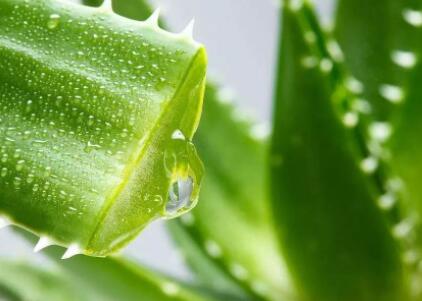
I. Aloe vera
One pot of aloe vera is equivalent to nine biological air cleaners; potted aloe vera has the reputation of being an air purification expert. One pot of aloe vera equals nine biological air cleaners, and can absorb harmful substances such as formaldehyde, carbon dioxide, sulfur dioxide, and carbon monoxide. It is especially strong at absorbing formaldehyde. Under 4 hours of light, one pot of aloe vera can eliminate 90% of the formaldehyde in one sq m of air, and can also kill harmful microorganisms in the air and adsorb dust, playing a great role in purifying the indoor environment. When indoor harmful air is too high, spots will appear on the leaves of aloe vera, which is a signal for help; as long as a few more pots of aloe vera are added indoors, the indoor air quality will tend to return to normal. In spring, when the temperature is 15-25°C, the frequency of watering can be appropriately increased, generally watering once every 5-7 days, following the principle of not watering when not dry and watering thoroughly when dry, so that the potting soil is both dry and moist. In summer, the temperature is higher and evaporation is greater, so watering once every 2-3 days is needed. In addition, in the morning and evening you can spray water on the aloe vera leaves every day, which can keep the aloe leaves green and increase their ornamental value. In summer, potted aloe vera should also be careful not to be exposed to too much scorching sun, to reduce the loss of water from the potting soil and the plant. In autumn, watering aloe vera is basically similar to spring; sometimes it is better to water less, replenishing only after the potting soil lacks water, rather than keeping the potting soil in a state of excessive water saturation for a long time, which causes insufficient oxygen and breathing difficulty in the roots of potted aloe vera and leads to the death of the aloe plant. In winter, when room temperature is low, watering should be as little as possible, generally once every 15-20 days; if needed, leaf spraying can be used to keep the potting soil appropriately dry, which helps the aloe plant overwinter safely.
II. Pothos
Pothos can improve air quality and eliminate harmful substances. Pothos has very strong vitality and a very strong ability to absorb harmful substances, and can help improve air quality in rooms that are not often ventilated by opening windows. Pothos can also eliminate harmful substances such as formaldehyde, and its function is no less than that of ivy and spider plant. In autumn and winter, the amount of watering should be strictly controlled according to room temperature. Before heating, when the temperature is lower, the plant's soil evaporates more slowly, so watering should be reduced, and the amount of water should be controlled at 1/4-1/2 of the original. Even after heating, watering should not be too frequent; when watering, pour less into the pot and let water seep through the coir. In addition, water should also be sprayed at the places where aerial roots grow on the coir pole, to reduce insufficient root water absorption caused by excessive evaporation. Water used for watering in winter is better after being left to stand for a day, because water that is too cold can easily damage the roots.
III. Clivia
Clivia is a freshener that releases oxygen and absorbs smoke. One adult clivia can absorb 1 liter of air in a day and night and release 80% oxygen, and can also carry out photosynthesis under extremely weak light. It does not release carbon dioxide at night. In a room of more than ten sq m, two or three pots of clivia can absorb the smoke in the room. Especially in the cold winter of the north, because doors and windows are tightly closed and indoor air is not circulating, clivia will play a very good role in regulating the air and keeping indoor air fresh. Clivia has relatively well-developed fleshy roots, and a certain amount of water is stored in the roots, so this flower is relatively drought-tolerant. However, drought-tolerant flowers cannot be severely short of water, especially in summer when high temperatures are combined with dry air, when you must not forget to water in time; otherwise, the roots and leaves of the flower will be damaged, causing new leaves to fail to sprout and the original leaves to scorch, which not only affects flowering but may even cause the plant to die. However, too much watering will cause root rot. Therefore, it is necessary to grasp this well and often pay attention to the dryness and moisture of the potting soil. When it becomes half-dry, water once, but the amount should not be too much; keeping the potting soil moist but not soggy is just right.
IV. Rubber tree
Rubber tree is a multi-talented eliminator of harmful substances; the rubber tree is a multi-talented plant for eliminating harmful substances. It has a certain resistance to harmful gases in the air such as carbon monoxide, carbon dioxide, and hydrogen fluoride. The rubber tree can also eliminate inhalable particulate pollution and can effectively retain indoor dust. The best temperature for the rubber tree is 20-25°C, and it can even grow well above 30°C, but in winter if the temperature is too low, the rubber tree will produce a large number of fallen leaves, and its cold resistance is very poor, so in the northern regions of our country it needs to overwinter in a greenhouse. In the high-temperature summer season, the rubber tree grows faster and should be given plenty of fertilizer and water, but water accumulation in the pot should be avoided. After autumn begins, gradually reduce watering to promote fuller plant growth, which helps it overwinter. The presence of fertilizer is like calcium supplementation, and can strengthen its “physical health”. Fertilization is also one of the key points in rubber tree cultivation methods; it can reduce the occurrence of markings and make the leaves brighter. Simply using nitrogen fertilizer is enough, and remember to stop fertilizing in winter.