How much does a jin of bayberry seeds cost? Detailed planting methods and timing
Bayberry, also known as tree berry, Sheng Sheng Mei, Bai Di Mei, etc., is a common fruit in China's Hunan, Guangxi, Guizhou, East China and Guangdong areas, and is widely cultivated because of its high medicinal and edible value. So how much does a jin of bayberry seeds cost? Can they be planted? How do you plant them? When is the best time to plant?
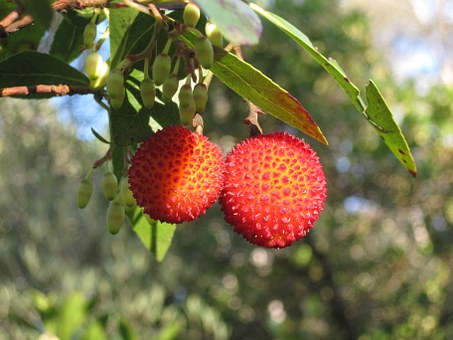
Seed price:
The price of bayberry seeds is about 15-30 yuan per jin, but it varies depending on seed quality, variety, place of origin and market.
Can the seeds be planted?
Yes. The best sowing time for bayberry seeds is February to April and September to October each year. Seeds sown at these two times have the highest germination rate and grow the best.
Seed planting techniques:
Sowing method:
The seeds of both wild and cultivated bayberry can be sown to raise seedlings. Fresh seeds have the highest germination rate when sown, but in production autumn sowing is often used. The specific steps are:
1. Nursery site selection: The bayberry nursery site should be chosen in a location with convenient transportation and flat terrain. If it is a slope, generally a slope of no more than 5° is suitable; the slope aspect should be north- or northeast-facing as far as possible, and the soil should preferably be fertile, loose in texture and deep sandy loam.
2. Seed collection: Bayberry seeds should be collected from ripe fruits on robust adult trees. The fruits are spread out and piled up in a place not exposed to direct sunlight. After piling for 4-5 days, once the flesh has rotted, rinse and remove the shriveled seeds that float up, then dry the surface and set aside for use.
3. Land preparation and fertilization: Before sowing bayberry, the land must be deeply plowed, and after plowing it should be left to bleach in the sun. Apply 3000-5000 kg of pig or cattle pen manure or compost, 15-20 kg of superphosphate and some plant ash per mu. For paddy fields, dig deep drainage ditches around the perimeter; for mountain land, pay attention to drought prevention and flood control.
4. Sowing method: Before sowing bayberry, soak the seeds in 0.1% potassium permanganate solution or 40% Thiophanate-methyl 800-fold solution for 10 minutes, then evenly scatter the seeds on the seedbed surface. After sowing, gently press the seeds into the soil with a wooden board, cover with a layer of fine soil, and then cover with a thin layer of grass.
5. Seedling stage management: Bayberry is generally sown in mid-to-late October, the seeds begin to sprout in January of the following year, and the seedlings break through the soil and emerge in mid-February. After emergence, attention must be paid to controlling temperature and humidity, and also to preventing sunscald or damping-off disease. Usually by late July they can be transplanted.
Seedling raising methods:
Bayberry seedling raising methods differ from place to place, mainly using grafting, though layering and division are also used. The bayberry rootstock is its own rootstock. Seeds should be collected from robust and superior mother trees. The germination rate of seeds from seedling trees is higher than that of seeds from cultivated varieties. Generally, the germination rate of wild bayberry seeds is 30-60%, while the germination rate of cultivated variety seeds is mostly around 10-30%, but some are relatively high, such as the Chi Da Zhong and Zao Da Zhong of Cixi County, Zhejiang, whose seed emergence rate can reach about 70%. The fruits used for seed collection must be fully ripe. After harvesting, the fruits are piled for 3-5 days; once the flesh has rotted, wash and dry them or store them buried in damp sand. Because dry storage of bayberry seeds easily causes loss of germination ability, sand storage is the main method. Every 100 kg of fruit yields about 20 kg of seeds. Bayberry is mainly sown in spring, with a sowing rate of 250-300 kg per mu when broadcast on the seedbed. One month after sowing they sprout and emerge, and they are transplanted in May-June; 1-2 years after transplanting they can be grafted.
Bayberry grafting is mainly done by stem grafting. The scion is generally selected from 1-2 year old branches on the upper part or outer periphery of the canopy of robust, high-yielding trees that have entered full fruit-bearing age. For thicker rootstocks, 2-3 year old branches are better as scions. If a male bayberry plant is grafted with a female scion, it can be changed into a female plant. The grafting period is generally from mid-March to early April. Because the sap flow of bayberry is vigorous, early grafting before spring budding is advantageous. When grafting, choose a windless sunny day, preferably with no rain within 3-4 days after grafting. The grafting methods generally used include cleft grafting, improved cut grafting and bark grafting.
The vigorous sap flow of bayberry often affects the survival rate of grafting. In order to suppress tree vigor and reduce the rise of sap from the roots, the following methods can be adopted:
1. Cutting the root system: For 2-3 year old rootstock, after grafting use a shovel to cut deeply on both sides of the seedling to cut off part of the main and lateral roots.
2. Grafting after relocation: Before grafting, first dig out the rootstock seedlings, cut off part of the main and lateral roots, then replant them in another place and graft.
3. Digging up and grafting: Dig up the rootstock and graft indoors; used for 2-3 year old rootstocks, and after grafting they are heeled in or planted directly at the final planting site.
4. Leaving branches to slow vigor: This is used more for large rootstocks, namely grafting on the main branch while leaving another branch as a “water-drawing branch”.
to attract water flow toward this branch and slow the growth vigor of the grafted part.
Grafted seedlings in the nursery put out many shoots, so weak branches should be thinned at any time during June-July to promote robust growth of the retained shoots. In summer, if the temperature is relatively high, a shade shed must be built to maintain a certain temperature and humidity in the nursery and prevent the seedlings from dying. The sprouts on the rootstock must be removed in batches to reduce nutrient consumption, but removing sprouts too early can sometimes also affect the survival rate of grafting.