Do Rhododendrons Have Seeds? Typical Price Per Jin of Seeds and the Suitable Planting Time
Rhododendron, also known as shan zhizhu, shan shiliu, yingshanhong, zhaoshanhong, and Tang rhododendron, is a common evergreen shrub in southern China. It is the provincial flower of Guizhou, Anhui, and Jiangxi. Because of its high ornamental value, it is cultivated indoors, in parks, and other places. So do rhododendrons have seeds? How much do the seeds generally cost per jin? When is the best time to plant them? How do you plant them?
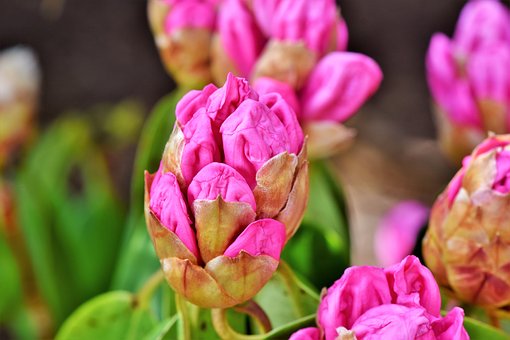
Do they have seeds?
Yes. For many plants, we do not easily see fruit, but this is generally because of the variety, species, and growing environment, so fruit cannot form. In fact, crossbreeding is still the most important means of obtaining new varieties of garden plants, and rhododendrons are no exception. If there were no seeds, how could new varieties be obtained through crossbreeding? For some flowers, in fact, as long as artificial assisted pollination is carried out, you will find that they can also bear fruit, and for rhododendrons, many wild varieties bear fruit.
Latest seed prices:
The market price of rhododendron seeds is about 35 yuan to 60 yuan per kilogram. The market price of rhododendron seeds varies from region to region, so when purchasing, the local price should be taken as the standard.
Planting time:
Sowing is generally carried out in pots in a medium-temperature greenhouse from March to April. At a room temperature of 15°C, seedlings emerge in 2-3 weeks. When 3 true leaves have grown, transplant once. After autumn, they can be potted for permanent planting, and they bloom after 4-5 years. Sowing: rhododendrons set fruit abundantly and have many seeds with a high germination rate, so using seeds can produce a large number of offspring, and the seedlings of Yang zhizhu have strong adaptability and vitality, making this an important means of introduction and breeding.
Planting techniques:
1. Seed germination techniques:
The Yang zhizhu capsules and cleaned seeds stored at room temperature or low temperature (4°C) for more than 3 months were cultivated using the petri dish germination method and the flowerpot seedling method. The results showed that cleaned seeds stored at low temperature and germinated by the petri dish method had a seed germination rate as high as 96%. The germinated seeds were transplanted into flowerpots and covered with about 1 cm of humus soil. The seedlings grew robustly and uniformly, and the survival rate was relatively high. From October to March of the following year, the Yang zhizhu seedlings were placed in a 20-25°C greenhouse, and from April to September they were placed outdoors. The growth rate of the seedlings increased, and in winter they could grow normally without dropping leaves.
Seed collection: In autumn, when the capsules turn greenish brown or yellowish brown, they can be harvested. Place them indoors to dry, wait for them to split, shake out the seeds, and store them in a dry place indoors. Sow the following spring.
2. Sowing
Use a shallow pot, wooden box, or ground bed, with well-drained coarse-grained soil as the bottom layer for Yang zhizhu, and use orchid soil or leaf mold (both need disinfection) for the top 2 cm. After the seeds are spread evenly, cover with a thin layer of fine soil. Alternatively, spread 0.5-1 cm of chopped sphagnum on top of the orchid soil, sow the seeds directly into the sphagnum, and do not add cover. Then water to make the pot soil moist, cover with plastic film or a glass plate, and place in a shaded place.
3. Management
Before emergence, keep the pot soil moist. Generally at 15-20°C, seedlings emerge in about 20 days, with a germination rate of 75-85%. After that, the cover can be removed, and attention should be paid to ventilation to improve seedling resistance. When dry, spray with a fine nozzle, and do not wash down the seedlings.
4. Seedling separation
Deciduous rhododendrons grow relatively fast. When 2-3 true leaves have grown, they can be transplanted for the first time, with a plant spacing of 2-3 cm. After autumn, when they grow to 2-3 cm tall, dig them up again and transplant them into 3-inch small pots, 3 plants per pot. The following year, divide and plant again according to growth conditions. Generally, flowers can be seen in 3-4 years. Evergreen rhododendrons are transplanted for the first time after autumn, and transplanted again the next autumn. During the seedling stage, strong light, heavy rain, and strong wind should be avoided. The soil should not be too wet, and watering should still be done by spraying.