How much does a jin of perennial herbaceous chrysanthemum seeds cost? Planting methods and flowering time
Chrysanthemum, also known as Huanghua, Jinying, Taoju, etc., is a relatively common perennial herbaceous plant in China. It is cultivated for its high ornamental and medicinal value. So how much does a jin of chrysanthemum seeds cost? How to plant them? How long until they bloom?
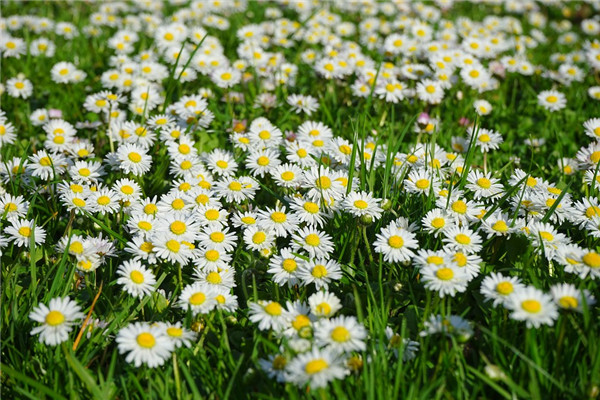
Seed price:
The price of chrysanthemum seeds is about 40-50 yuan per jin. However, due to differences in seed quality, variety, regional consumption levels, etc., the price varies considerably; the local market price shall prevail.
How to plant?
1. Soil selection: when sowing chrysanthemums, choose loose soil rich in organic matter, and apply a certain amount of decomposed organic fertilizer as base fertilizer before sowing.
2. Sowing method: when sowing chrysanthemums, mix the seeds evenly with a certain amount of sand, spread them evenly on the seedbed, then cover with about 1 cm of soil.
3. Post-sowing management: after sowing chrysanthemums, keep the soil moist; germination occurs at a temperature of around 18°C. Ensure sufficient temperature, air humidity and sunlight.
4. Timely transplanting: when the chrysanthemum seedlings grow 4 to 5 true leaves, they can be transplanted into nutrient pots and pinched. During the seedling growth period, no additional topdressing is needed, so as to avoid excessive vegetative growth of branches and leaves that would affect flowering.
How long until they bloom?
Most chrysanthemums bloom in September, but due to environmental and varietal reasons, the blooming time varies to a greater or lesser extent. Summer chrysanthemums bloom in May and June, autumn chrysanthemums in September, late chrysanthemums in October to November, cold chrysanthemums in December and January, wild chrysanthemums from June to November, sweet chrysanthemums in May, and small red chrysanthemums from July to October. Of course, with artificial regulation of light and other factors, the flowering period will also change.
The flowering period of chrysanthemums is generally September to November. There are many kinds of chrysanthemums, and they are planted in a very wide range of regions. There is no fixed flowering time, but most bloom in autumn, though some chrysanthemums bloom in summer and winter. Under normal natural conditions, they can be divided by flowering period into summer chrysanthemums (blooming May to September), autumn chrysanthemums (blooming October to November), and cold chrysanthemums (blooming December to January), generally lasting about 20-35 days. However, through the cultivation of horticulturists and changes in sunlight conditions, there are also May chrysanthemums that bloom in May, July chrysanthemums that bloom in July, and August chrysanthemums that bloom in August.
Cultivation techniques:
1. Potting soil: for chrysanthemum cultivation, choose fertile sandy soil. Start with a small pot and then move to a larger one, repotting 2-3 times, and the pot can be fixed in July. For the final potting, a mixed soil of 6 parts leaf mold, 3 parts sandy soil and 1 part cake fertilizer residue can be used. Water thoroughly, place in a cool place, and move to a sunny place after the plant grows normally.
2. Watering: in spring the chrysanthemum seedlings are small, so water less. In summer, as the seedlings grow, water once in the early morning and again in the evening, and use a watering can to spray water on the chrysanthemum branches and leaves and the surrounding ground to increase environmental humidity. Before the Beginning of Autumn, appropriately control water and fertilizer to prevent the plant from shooting up and growing excessively. After the Beginning of Autumn and before flowering, increase the amount of watering and begin fertilizing, gradually making the fertilizer solution stronger. In winter, the flowering branches basically stop growing, the plant's water consumption decreases noticeably, and evaporation is also small, so watering must be strictly controlled.
3. Fertilizing: when planting chrysanthemum plants, apply sufficient base fertilizer in the pot. Afterwards, apply nitrogen fertilizer once every 10 days. After the Beginning of Autumn, from flower bud formation to visible buds, apply a slightly stronger fertilizer solution once a week; when the buds are about to open, apply one more strong fertilizer solution and then pause fertilizing. If at this time you can apply superphosphate or a 0.1% potassium dihydrogen phosphate solution once to the chrysanthemums, the flowers can bloom more brightly.
4. Pinching: when the chrysanthemum plant grows to more than 10 cm tall, begin pinching. When pinching, leave only 4-5 leaves at the base of the plant and remove all the upper leaves. When 5-6 new leaves have grown, pinch out the growing tip again, leaving 4-7 main branches on the plant, and promptly remove branches and buds that grow later. Pinching can cause the plant to branch and effectively control plant height and shape. At the last pinching, carry out shaping pruning on the chrysanthemum plant, removing excess branches and overly vigorous or weak branches, leaving only 3-5 branches.
5. Bud thinning: when chrysanthemums form buds in September, remove the buds at the lower part of the plant, leaving only one bud at the top of each branch.