Can passion fruit bear fruit in a pot? Detailed guide to planting time and methods
Passion fruit, also known as passionflower and egg fruit, is a common herbaceous vine in tropical and subtropical regions. Because it can be eaten raw and used as feed, vegetables, and more, it is widely cultivated, and many people now also like to grow it in flower pots. So how do you grow passion fruit in a pot? Will it bear fruit? When should you plant it?
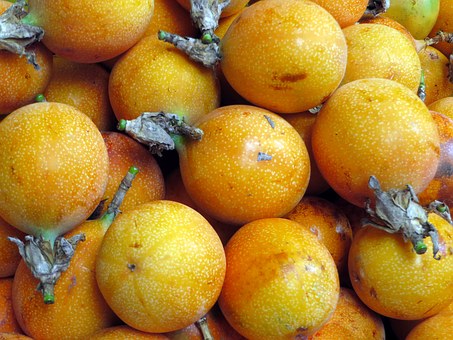
Potted planting techniques:
1. Choosing seeds
Besides buying ready-made passion fruit seeds on the market, we can also get them ourselves. Take one intact passion fruit, peel it open, remove the seeds, wash off the pulp, and then dry the seeds until excess moisture is gone.
2. Sowing and raising seedlings
First line a seedling tray with a thin layer of soil, then scatter the seeds on the soil and cover them with potting soil. After that, water appropriately to keep the soil moist, and finally seal the seedling tray. What to do next is simply wait for the passion fruit seeds to sprout. Of course, if you need to shorten the time for passion fruit seeds to sprout, we can also do it by soaking the seeds and forcing germination.
3. Preparing cups
After the passion fruit seeds sprout, we should promptly prepare to transplant the seedlings. You can use prepared plastic cups and drill a few small holes in the bottom for drainage. You can use a harder tool such as a nail or small screwdriver to help make the holes.
4. Transplanting the seedlings
Put some potting soil into a plastic cup with holes drilled in the bottom, then take a small spoon and carefully dig out one passion fruit seedling from the seedling tray. Be careful not to damage the seedling's roots, keep as much soil attached to the seedling as possible, then dig it out together with the soil and plant it into the plastic cup. Later, when the seedling grows a bit bigger, it needs to be repotted again, into a slightly larger pot to support the plant's continued growth.
5. Care and management
After transplanting the passion fruit seedling, gently firm the soil around the seedling. During this period, no fertilizing is needed; even if applying base fertilizer, avoid letting the seedling's roots come into direct contact with the fertilizer, otherwise the roots are easily damaged. After transplanting, water once to settle the roots, and after about 5 months you can build a trellis for it. In summer, pay attention to shading; in autumn, pay attention to keeping it warm. At the same time, prevent excessive water evaporation and replenish water in time to ensure it survives and grows smoothly.
6. Setting up a trellis
Considering that passion fruit is a climbing vine, if you want it to grow smoothly and bear fruit, building a trellis is an essential step. As for what kind of trellis to build, you can decide based on personal preference while also taking into account the plant's climbing effect. Of course, if the pot is placed on a balcony, you also need to consider the balcony environment's appearance.
It should be noted that, besides being able to soak and force-germinate passion fruit seeds in advance, the choice of pot cannot be done in one step; multiple repottings are needed during the process. Also, passion fruit likes moisture but is afraid of being flooded, so whether watering or draining, both must be scientific and reasonable. As long as everyone cares for it attentively and tends it carefully, I believe that while happily harvesting fruit, you will also feel the balcony's unique charm.
Planting time:
The planting time is March to May, and September to October. If growing in a greenhouse, it can be planted in winter.
Will it bear fruit?
Yes, as long as management work such as soil and fertilizer is done well, it can also bear fruit just like plants outdoors.
Reasons for not bearing fruit:
1. During the flowering and fruiting period, if it encounters high temperature and drought, and water cannot be guaranteed, the flower buds cannot develop normally, then turn yellow and fall off, and some fruits become wrinkled or even shrivel and drop.
2. After flower buds appear, they suffer from the stress of low temperature, which prevents the flower buds from expanding. In addition, the fertilizer applied is too concentrated, the plant is still too small, and its resistance to stress is not strong, which leads to this.