Can the bugs in bayberry be eaten? Teaching you the correct washing and deworming methods
Right now is the season when bayberries ripen. Faced with sweet-and-sour, delicious bayberries, people who love them can hardly resist the temptation. In many farmers' markets and fruit shops, various varieties of bayberries are hitting the shelves one after another. But at this time some people say bayberries are full of bugs. So can the bugs in bayberry be eaten? How should they be washed to remove the bugs?
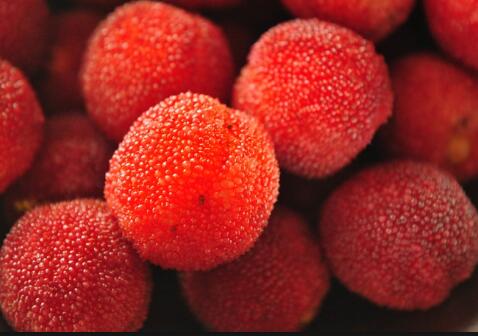
Can the bugs in bayberry be eaten?
In fact, the bugs in bayberry are the larvae of fruit flies. Mature fruit flies lay eggs on bayberries, and some of the eggs hatch into larvae that live in the bayberry flesh. After the larvae grow up, they turn into fruit flies and fly away. The reason fruit flies choose bayberry trees is still because they cannot resist the fresh fragrance and juicy nutrition of bayberry. Not only humans like it, insects are also very fond of it.
And fruit flies can be considered “clean” bugs. They usually live by eating honey and fruits, so even if humans eat these fruit flies, they will not be harmful to the human body. On the contrary, this is also a kind of high-quality protein. The antimicrobial peptides contained in fruit flies, and eating some bugs appropriately, may even improve the body's resistance. In short, as long as the bayberries are fresh and pollution-free, they can be eaten with confidence, and there is no need to worry that the bugs will harm the body.
How should bayberry be washed to remove the bugs?
Unlike other fruits such as apples and bananas, bayberry does not have a peel for protection. The complete bayberry fruit is exposed to the air, and at the same time, bugs are especially likely to hide among the dense flesh.
For friends who are still afraid of bayberry bugs, you can soak freshly bought bayberries in highly concentrated salt water for 15 minutes, which can force the white bugs inside the bayberries out. If the soaking time is too short, the bugs cannot be fully forced out; if the time is too long, the flavor of the bayberries will also be greatly reduced. Some people also soak bayberries in clean water, or wash them under running water, but the effect is not as good as soaking in salt water.
If there are more bayberries than you can eat, they should be soaked in salt water before being put into the refrigerator. If they are put into the refrigerator and then washed, the bugs will have been frozen to death and will no longer come out. However, putting them in the refrigerator can not only freeze the bugs to death, but also keep the bayberries fresh for storage. Frozen bayberries have a better cool taste, but it is not recommended to eat too much cold fruit.
In addition, the shelf life of bayberry is very short, only 1~2 days at room temperature. If there are bugs inside, they will mature as the bayberries spoil. Fruit fly larvae are harmless to the human body during the white larval stage. Once they mature, turn black, and crawl out, eating them again will be harmful to the human body. Therefore, after buying bayberries, eat them as soon as possible.
How to choose bayberry
1. Look at the color. Bayberries that are dark red, or too blackish-red, are best not purchased. You should choose bayberries with a dry surface and bright red color.
2. Touch with your hand. If the bayberry flesh is too soft and mushy, it is overripe; if the flesh is too hard, then it is not fully ripe, and it tastes sour and astringent, with a poor mouthfeel.
3. Look at the flesh. On the surface of the bayberry flesh, there is a very obvious layer of individual raised flesh bumps. Those without sunken areas are good bayberries.
4. Smell the fragrance. Fresh bayberries have a fragrant smell. If they have been stored for a long time or stored improperly, they may have a faint alcoholic smell, which affects the taste.
The effects and benefits of bayberry
1. The fruit acids contained in bayberry can both stimulate appetite and promote saliva, aid digestion and relieve summer heat, and also have the function of preventing the body's sugar from converting into fat, which helps with weight loss.
2. Bayberry contains vitamin C and B, which have a positive effect on preventing and fighting cancer. The cyanamide compounds, fatty oils, and other substances contained in bayberry kernels also have the effect of inhibiting cancer cells.
3. Bayberry has an inhibitory effect on bacteria such as Escherichia coli and dysentery bacilli. It can treat dysentery and abdominal pain, and has a good effect on those with persistent diarrhea.
4. Bayberry contains a variety of organic acids, and its vitamin C content is also very rich. It can not only directly participate in the metabolism of sugar in the body and the redox process, enhancing the permeability of capillaries, but also has the effect of lowering blood lipids and preventing cancer cells from forming in the body.
5. The active ingredient in bayberry leaves, bayberry flavonoid, has astringent, stimulant, and emetic effects, and is used for diarrhea, jaundice hepatitis, lymphatic tuberculosis, chronic pharyngitis, and so on.
6. The suberin of the bayberry tree also has antioxidant properties and eliminates free radicals in the body. It is widely used in medicine, food, health products, and cosmetics.
7. In terms of food nature and flavor, bayberry is warm and hot in nature, sweet and sour in taste, and enters the lung and stomach meridians. It has the effects of promoting saliva and quenching thirst, harmonizing the stomach and aiding digestion, stopping vomiting and stopping diarrhea, and so on.
What foods bayberry cannot be eaten together with
1. Bayberry cannot be eaten together with cucumber
Because bayberry is rich in vitamin C, which is originally very nutritious, but it is most afraid of the enzyme that breaks down vitamin C, and cucumber contains exactly this enzyme. If eaten together, it will cause bayberry to lose its original nutritional value. Wouldn't that be eating it for nothing?
2. Bayberry cannot be eaten together with milk
As everyone knows, we drink milk to supplement protein. But the fruit acid in bayberry will cause protein to coagulate, thereby affecting absorption. Therefore, these two also cannot be eaten together.
3. Bayberry cannot be eaten together with scallion
Although bayberry and scallion seem to have no connection, once the two are eaten at the same time, complex chemical reactions will occur, thereby causing adverse effects on the human body, and may cause stomachache.
4. Bayberry cannot be eaten together with radish
Because bayberry is rich in plant pigments, if plant pigments are eaten together with radish, they will be digested and decomposed in the stomach and intestines, thereby producing a substance that inhibits thyroid function, which is very likely to cause goiter.
How to make bayberry wine
To make bayberry wine, you first need a good container. Generally, a wide-mouth glass bottle is sufficient. According to your amount of bayberries, as long as it can hold the bayberries, it is fine. Generally, farmers' markets sell large glass bottles specially for making wine, and you can also buy them on Taobao. Families with especially large amounts can also choose to use a 20-jin wine jar, but no matter what kind of container, it needs to be able to seal well.
There are no special requirements for the bayberries used to make wine. Ordinary families use bayberries they cannot finish eating to make wine. If you are especially fond of this taste, you can deliberately buy good varieties. When buying, it is best to choose bayberry varieties that are small and dark in color; wild ones are even better. Large bayberries make wine with a slightly inferior taste.
Steps for making:
1. Sort out the bayberries, remove leaves and impurities, and try not to wash them with water. The raw materials for making wine should not be left for a long time after being washed with water, as they are prone to becoming sour and spoiling. If the bayberries are washed, try to dry the surface moisture.
2. Put the bayberries into a wide-mouth bottle, placing them gently and handling them gently, and do not let the bayberries be damaged. Friends who like a sweeter taste can put in one layer of bayberries and one layer of rock sugar. For ordinary people's taste, no rock sugar is needed, because bayberry itself has a sweet taste, and a light sweetness is healthier.
3. Pour in high-proof baijiu (50 degrees or above is best). For baijiu, ordinary bulk baijiu is fine (it must be pure grain liquor. It is best if it is baijiu you brewed yourself). Baijiu with a strong aroma will cover up part of the original fresh fragrance of the bayberries after making the wine. When pouring the liquor, the bayberries in the bottle must be completely submerged, that is, the height of the liquor must exceed the height of the piled bayberries.
4. Seal the wide-mouth glass bottle and store it for about 3 months. If you are not sure, you can use a spoon to scoop a little wine and taste it. Wait until the color of the wine turns red and the wine taste becomes lighter, and the flavor of the bayberries has already soaked into the wine.