Aromatic Crop Mint: Mosquito Repellent, Market Price, Planting and Harvesting Times
Mint, also known as wild mint or yexixiang, is a common aromatic crop. Because both its stems and leaves have high edible and medicinal value, it is quite popular among people. So, can mint repel mosquitoes? What is the market price per jin? When should it be planted? When should it be harvested?
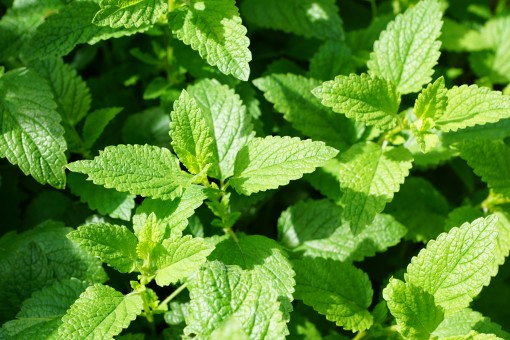
Can it repel mosquitoes?
Yes, because the peppermint oil, menthone and menthol contained in mint are easily dispersed and can, to a certain extent, drive mosquitoes away. Second, mint also contains insect-repellent essential oil, and the scent of this oil is very mild and harmless to the human body. Therefore, it can be used as an indoor insect-repellent air freshener, and the effect is most obvious when sprayed or burned as incense in summer.
Market price:
Sowing time:
In the Yangtze River basin area of southern China, mint is best planted in autumn and winter, that is, from late October to late November, while in the north it is best planted in spring, that is, from March to April. If mint is sown indoors, its sowing period is very long, and it can be sown from winter to early summer. When sowing, choose relatively loose and breathable soil, then keep the soil moist, and sow the seeds on the moist soil. After sowing, do not cover the seeds with soil; you can cover them with plastic film to keep the soil moist. The temperature should be kept between 21°C—25°C, and seedlings generally emerge in 1—2 weeks.
Harvesting time:
For medicinal use, it is often harvested 2 times during the growing period. The first time is 5-6 days before Xiaoshu, when the leaves are just lush and the flowers have not yet opened, and the aboveground parts are cut. The second time is between Qiufen and Hanlu, when the flowers are in full bloom and the leaves are falling. For medicinal use, harvesting between Qiufen and Hanlu is best.
Flowering time:
When mint blooms, its flowers are borne terminally on the branches, and the purple, white and pink flower spikes give a fresh and elegant feeling; mint flowers are verticillasters borne in the leaf axils, spherical in outline, with slender pedicels covered with fine hairs. The calyx is bell-shaped, with fine pubescence and glandular dots covering the outside, while the inside has no hair covering; the sepals are narrowly triangular-subulate; the anthers are ovate, and the disc grows flat-topped. The flowering period of mint is between July and September each year, when the flowers bloom abundantly and brightly.
Container-growing tips:
1. Soil: For mint cultivation, choose fertile sandy soil that is loose in texture and has good drainage.
2. Temperature: The growing temperature should preferably be kept at 20-30°C, and mint has strong cold resistance and can tolerate a low temperature of -15°C.
3. Light: Mint naturally likes sunlight, so sufficient light should be ensured. This can effectively ensure normal flowering of mint and promote the accumulation of peppermint oil and menthol.
4. Water: Mint cultivation requires relatively more water, and the potting soil should usually be kept somewhat moist, especially in the early and middle growth stages. During the flowering period, the water supply can be appropriately reduced.
5. Planting: When selecting branches, dig up white, thick rhizomes for planting, trim them into root sections about 8 cm long and bury them in the potting soil. After about 20 days, new branches can grow. Tender stem tips can also be cut and used for shaded cuttings in May-June.