Is the perennial anthurium poisonous? Placement in the home and key care techniques
Anthurium generally refers to Anthurium andraeanum, also known as red goose-foot, flamingo flower, and Anthurium. It is a perennial evergreen herbaceous plant in the Araceae family and can bloom continuously year-round. So, is anthurium poisonous? Where is the best place to put it at home? What are the key care techniques?
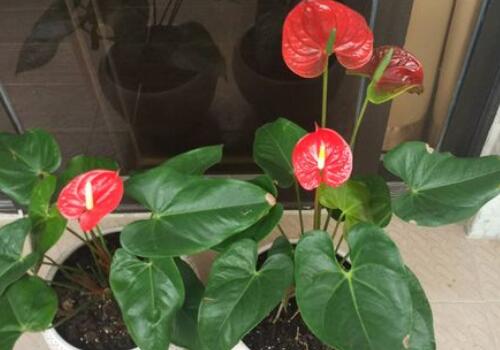
Is anthurium poisonous?
1. Anthurium is a plant in the genus Anthurium, family Araceae. Plants in the Araceae family actually have mild toxicity, and anthurium is the same.
2. Anthurium's toxicity is actually not very strong. Its sap is the toxic part, mainly from the flowers, roots, and leaves. Generally, when pruning anthurium or when touching its sap for other reasons, or accidentally swallowing it, poisoning can occur. You can find some licorice-type remedies, painkiller pills, or flaxseed to relieve the symptoms of poisoning.
Where is the best place to put anthurium at home?
1. Anthurium has brilliantly colored flowers, a prosperous red look, and high ornamental value. Grown indoors, it beautifies the home and can also purify the air, absorb harmful substances in the air, and regulate indoor air. It is a popular flower for home growing. Although some people worry that growing anthurium will cause poisoning, as long as you are a little careful in daily life, there is no need to worry about poisoning; after all, cases of poisoning are still relatively rare.
2. It is better to place it in a bright spot indoors, in a ventilated area. It is relatively drought-tolerant; when the soil dries out, water it promptly. It likes humidity, so misting the leaves and stems regularly is better. Adding some nutrient solution is better and can promote continuous flowering.
What are the key care techniques for anthurium?
1. Temperature: When growing anthurium at home, keep the temperature as stable as possible. The optimum growth temperature for anthurium is 16-24°C, and the minimum temperature should be kept above 12°C. When the summer temperature exceeds 30°C, move the plant to a ventilated room on the relatively north side, and spray water around the plant to cool it down.
2. Light: Normal growth of anthurium requires sufficient scattered light. Points to note for home growing: in summer, avoid direct strong light on the leaves and flowers; in autumn and winter, when conditions permit, move it near a window to increase light exposure. Also rotate the plant regularly to ensure it receives even light and to promote a full, rounded crown shape.
3. Humidity: Normal growth of anthurium requires about 70% air humidity, which is generally difficult to achieve in ordinary home growing. You can use a clean damp towel to wipe the leaves several times a day, or spray water around the plant regularly to increase air humidity. (But do not sprinkle water on the flowers, as this may affect their ornamental quality.)
4. Watering and fertilizing: Under normal growth conditions, water the potting soil weekly by letting it dry and then watering wet. Generally follow the principle of not watering when the soil surface is not dry, and watering thoroughly when you do water. In spring, autumn, and winter, the frequency and amount of watering can be reduced appropriately. Every half month, apply a 7-8% special nutrient solution or fertilizer water diluted 500 times along with watering.
5. Pruning: Generally, during the growth of anthurium, the petioles at the base gradually degenerate; when the stipules become dry, they can be cut off promptly. After flowering, when the flower stalk turns yellow, it should also be cut off as soon as possible from the base, leaving a 2 cm protective stub.