What is the nemesis of "scurvy" - is lemon an acidic or alkaline food? Will drinking lemon water during the day make you darken? Can it whiten the skin?
Summer is exactly the season when lemons are abundantly available, and many people like to buy fresh lemons to make lemon water at home, which is healthy and affordable. Lemons contain extremely high vitamin C and are generally regarded as a beauty food. So is lemon an acidic or alkaline food? Will drinking lemon water during the day make you darken?
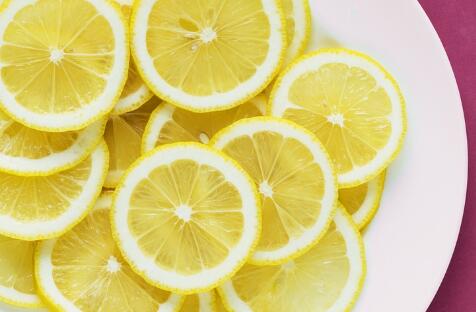
Lemon is a plant of the genus Citrus in the family Rutaceae. Lemon is also known as ningmeng, foreign lemon, yimuguo, and so on. Because of its extremely sour taste, pregnant women with liver deficiency like to eat it most, so it is called yimuguo or yimuzi. Lemon is rich in citric acid, so it is known as the “citric acid warehouse”. Its fruit is juicy and crisp, with a rich fragrance. Because it tastes extremely sour, it can only be used as a top-grade seasoning to prepare beverages, dishes, cosmetics, and medicines. In addition, lemon is rich in vitamin C and can resolve phlegm and relieve cough, promote body fluid production, and strengthen the stomach. It is used for symptoms such as bronchitis, whooping cough, loss of appetite, vitamin deficiency, and summerheat with thirst. It is the nemesis of "scurvy".
Is lemon an acidic or alkaline food?
After lemon is ingested by the human body, its final metabolites are alkaline, so it belongs to alkaline foods. Lemon water is likewise an alkaline food, and even if honey is added, it is still an alkaline food.
Lemon clearly tastes sour when drunk, and its pH value is also acidic. The reason it still belongs to alkaline foods is that although lemon contains citric acid, citric acid can be completely metabolized in the body to produce carbon dioxide and water. As carbon dioxide is exhaled from the body, the acidity is eliminated. However, potassium, calcium, and other ions in lemon remain in the body in the form of metal cations. These ions can combine with acid radical ions and can reduce the acidity of urine, so they are called “alkaline-forming foods”. Not only lemon, but the vast majority of fruits are alkaline-forming foods. This point is especially important for patients with gout and hyperuricemia, because when urine is alkaline, uric acid will form salts and is more easily excreted by the body, which can reduce the risk of gout attacks.
How do you distinguish alkaline foods from acidic foods?
Human foods can be divided into acidic foods and alkaline foods. Judging whether a food is acidic or alkaline is not based on people's sense of taste, nor on the chemical properties of the food dissolved in water, but on the acidity or alkalinity of the final metabolites produced after the food enters the human body.
That is, foods that after digestion ultimately form nitrogen, carbon, sulfur, chlorine, salts, and other acid radicals that remain in the body are called acidic foods. Such as: beef, mutton, pork, chicken, duck, fish, grains, and so on. Almost all delicious things are acidic, such as: fish, meat, rice, alcohol, granulated sugar, and so on, all are acidic foods.
Vegetables, fruits, and other foods contain elements such as potassium, sodium, calcium, and magnesium. After metabolism in the body, they generate alkaline substances and can prevent the blood from changing toward acidity. Therefore, sour-tasting fruits are generally alkaline foods rather than acidic foods. Chicken, fish, meat, eggs, sugar, and so on do not taste sour, but they are acidic foods.
Generally speaking, acidic foods weaken the skin, while alkaline foods keep the skin healthy and beautiful. If you eat too much acidic food, the acidity of the blood increases, the activity of the blood throughout the body slows down, and you feel fatigued.
Conversely, alkaline foods can improve the state of the blood, give a feeling of freshness throughout the body, and can prevent and treat dermatitis and other skin diseases that people with weak skin are prone to, and prevent the skin from prematurely becoming rough and aging.
Strongly acidic foods: beef, pork, chicken, tuna, oysters, flounder, cheese, rice, wheat, bread, alcoholic beverages, peanuts, thin sausages, sugar, biscuits, white sugar, and so on.
Weakly acidic foods: ham, eggs, lobster, octopus, squid, buckwheat, cream, peas, eel, river fish, chocolate, scallions, macaroni, fried tofu, and so on.
Strongly alkaline foods: milk, tea, persimmons, cucumbers, carrots, radishes, spinach, citrus fruits, grapes, taro, kelp, figs, raisins, and so on.
Weakly alkaline foods: potatoes, cabbage, bamboo shoots, shiitake mushrooms and similar fungi, rapeseed, pumpkin, tofu, apples, pears, bananas, cherries, and so on.
When eating acidic foods, especially meat, you must also eat plenty of vegetables. The calcium and potassium in vegetables can neutralize the sulfuric acid and phosphoric acid in meat.
Will drinking lemon water during the day make you darken?
For people who worry that drinking lemon water during the day will make them darken, the answer is: you are overthinking it.
Lemon itself contains photosensitive substances (limonene, coumarins, among which coumarins are the main ones), which means lemon is relatively sensitive to light.
For coumarins to exert a "tanning" effect, three conditions are needed:
1. A special constitution (for example, patients with systemic lupus erythematosus);
2. Long-term sunlight exposure;
3. Sufficient intake of coumarins.
The coumarin content in lemon is very low. To reach an effective dose, you would have to eat several hundred at once, and with the peel too…… A scientist once conducted related experiments and reached the conclusion: if your body has no abnormalities, you would need to eat three hundred lemons and then sunbathe for three hundred hours before you darken!
So, if your skin really darkens after drinking lemon water, it may be because you forgot to apply sunscreen.
Can drinking lemon water whiten the skin?
For people who count on lemon water to whiten the skin, the answer is: impossible.
VC is indeed a whitening ingredient loved by major skincare brands, but the vitamin C content in lemon is actually not very high, at 22 mg / 100 g.
Even if you soak one extra-large lemon (about 100 g) in water every day, the VC intake is still less reliable than eating 100 g of Chinese cabbage (31 mg /100 g).
How is lemon water best made?
Good lemon water should taste light, with a slight lemon aroma. If too much lemon is used, such as one whole or half a lemon at a time, it may irritate the mouth and stomach, and because the taste is too sour, sugar is needed to neutralize it. To taste sweetness, the sugar content must be at least above 5%, and drinking too much is not good for weight control.
It should be noted that the special aroma of lemon mainly comes from the peel, so it is best to cut it into thin slices with the peel and soak them in water.
Soak one large slice of lemon with peel in about 600 mL of water. It will have aroma and be slightly sour, but no sugar is needed. If necessary, add a few ice cubes. It is an excellent refreshing and thirst-quenching drink.
How should unused lemon be stored?
Although fresh lemon is good, only one or two slices are needed for soaking in water, so how to store it afterward is an annoying problem. In fact, there is no need to worry too much, because lemon has a very high acidity, so it naturally has some preservative function. However, in order to store cut lemon better, you need to pay attention to the following points:
1. Use a clean knife to cut it;
2. Wrap the remaining lemon with plastic wrap and put it in the refrigerator to chill;
3. Use it up as soon as possible; after all, it will not be fresh after being left for a long time.