What are the cultivation methods and precautions for hydroponic spider plants?
The spider plant is a fairly common plant, also known as the hanging pot grass, hanging orchid, fishing orchid, orchid grass, folding crane orchid, and air guardian. The plant has the ability to purify the air, and the whole plant can be used as medicine. So how should hydroponic spider plants in daily life be cared for? What are the cultivation methods and precautions for spider plants?
I. How do you care for hydroponic spider plants?
Hydroponic spider plants have indoor ornamental value. Placing small seedlings in a clean water tank can maintain their ornamental value for two to three years. Goldfish can be raised appropriately so that flowers and fish coexist harmoniously, allowing you to enjoy both flowers and fish, with extremely high ornamental value.
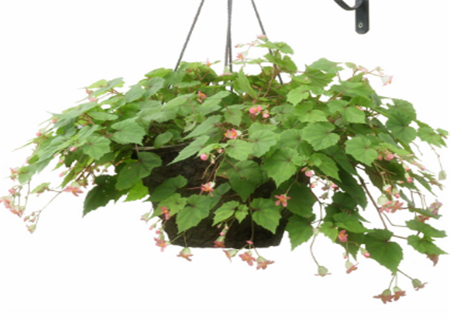
1. Choosing a container for hydroponic spider plants
Spider plants are very suitable for hydroponics and do not have high requirements for containers. You can choose single-layer or double-layer glass containers, or choose containers according to personal preference.
2. Pest and disease control for hydroponic spider plants
Spider plants are not prone to pests and diseases, but roots immersed too deeply in water will cause root rot, so attention should be paid to controlling the depth of root immersion. Cut off the rotten parts, soak them in a 800-fold dilution of thiophanate-methyl, then place them in the air to let the wounds dry. After drying, induce new roots again.
3. Spider plants can be directly cut and their branches and leaves placed in clean water for cultivation. You can also gently dig out a spider plant grown in soil, use clean water to clean off the soil attached to the roots, and during the whole process be careful not to damage its roots. After cleaning, trim the roots, removing all rotten roots and diseased roots. If there are yellow leaves or leaves with pests and diseases, remove them all as well, leaving healthy branches and leaves with bright colors, and finally place them in clean water.
4. If it has been transplanted from soil, pay attention to changes in its roots. At this time, cut off the rotted roots when changing the water. When the newly grown roots reach 3 cm to 5 cm, nutrient solution can be added, and the amount of nutrient solution should not be too large.
The addition of nutrient solution can be done together with changing the water. The amount used can be controlled according to the instructions on the nutrient solution. At the same time, diluted nutrient solution can also be sprayed on its leaves, about once every 3 days.
II. Cultivation methods for spider plants
Spider plants prefer a humid environment and should be kept at relatively high air humidity. During the growing period, the potting soil should be kept moist. However, because their fleshy roots store a large amount of water, they also have a strong drought resistance and will not dry out and die if not watered for several days. In summer, watering should be sufficient, and every evening water should also be sprayed on the branches and leaves to keep the air humid. In early October, move them indoors and place them in a sunny spot. Every 5 to 7 days, when the midday temperature is relatively high, spray and wash the branches and leaves with clean water close to room temperature. But the potting soil should preferably be on the dry side.
In spring and autumn, the seasons of vigorous growth, apply a thin liquid fertilizer once about every 15 days, preferably fully decomposed cake fertilizer water at a concentration of 10% to 15%; you can also apply a nitrogen-phosphorus-potassium chemical fertilizer solution at a concentration of 0.1% to 0.3%; during high summer temperatures and winter dormancy, topdressing should be stopped. Variegated varieties should be given less nitrogen fertilizer, otherwise the white or yellow markings on the leaves will fade, affecting the ornamental effect.
III. Precautions for spider plants
1. Spider plants are a fertilizer-tolerant plant. Insufficient nutrients will cause the leaves to turn yellow, and they are prone to scorched tips and aging.
2. In spring and autumn, partial shade is preferable. In summer, it is best to receive light in the morning and evening, with shading at noon to avoid direct sunlight. In winter, expose them to more sunlight. During the growing period, keep the potting soil moist, but there must be no water accumulation.
3. Repot once every spring (mid to late March).
4. In summer, avoid direct sunlight. Keep the potting soil moist at all times. Apply liquid fertilizer once every 15-20 days.
5. After mid-October, hang the flowerpot indoors in a position close to the sunny side and convenient for viewing. In winter, water after the surface of the potting soil is dry to a depth of about 1 cm.
6. When the climate is dry in summer and autumn, increase the air humidity around the plant through measures such as spraying water.
7. In winter, the potting soil should be kept on the dry side. Potting soil that is too wet will induce gray mold and cause leaf rot.
8. Indoor light should not be too dim, otherwise the leaf color will become pale or yellow-green.
9. When watering, avoid pouring water into the center of the plant, otherwise it is easy to cause the young leaves to rot.
The above is the spider plant care knowledge I have compiled for you. I hope it can help you.