Can Raw Peanuts That Have Bugs Still Be Eaten? Preservation Methods and Stomach-Nourishing Benefits Explained
In daily life, many people like to eat peanuts, especially in summer, when many people prepare a plate of peanuts and a bottle of liquor to enjoy together. But since peanuts do not store well, especially after being kept for a long time, they may develop bugs or sprout. So how should raw peanuts be stored? Can they still be eaten once bugs appear? Do they nourish the stomach?
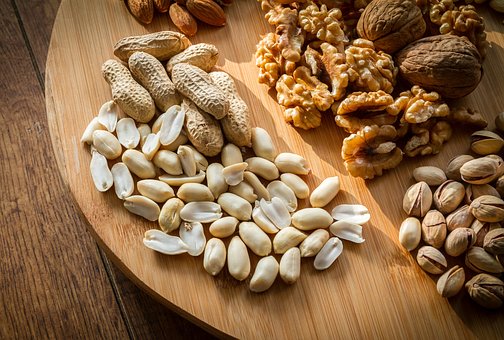
1. How should raw peanuts be stored?
1. The best methods for storing raw peanuts:
(1) Vacuum sealing, but this requires a certain amount of technical support.
(2) The chili preservation method. First spread the peanuts out in the sun to dry, winnow away impurities, then put them into a hole-free plastic food bag, place a few pieces of chopped dried chili inside, then seal the bag and keep it in a dry, ventilated place. This way the peanuts can stay good for one year, achieving the goals of moisture resistance, mold prevention and insect prevention.
(3) The blanching and sun-drying method. Put the peanuts into boiling water briefly, quickly remove them, stir them with salt while hot and then dry them in the sun. This can kill surface bacteria and also achieve insect and mold prevention.
(4) The desiccant preservation method. Store the peanuts in an airtight box and add a desiccant.
2. Can raw peanuts be put in the freezer?
(1) Raw peanuts are best stored in a ventilated, dry place. Spread the raw peanuts in a container and sun-dry them for 2-3 days, then let them cool, put them into a plastic food bag, seal the opening tightly, and place them in the refrigerator to keep cool. They can be stored for 1-2 years, to be taken out and processed as needed, and they will not go bad.
(2) Peanuts should not be stored frozen; ordinary refrigeration is generally enough. Keep the temperature at 4 to 10 degrees; in this temperature range the oil in the peanuts is theoretically already solid, the peanuts' own metabolism is extremely slow, and the acid value hardly rises. But if the temperature is below 0 degrees, freezing damage may occur and affect the taste; if they are used for oil pressing, the content of non-hydratable phospholipids will also be high. The relative humidity should also be kept below 85%. Under these temperature and humidity conditions, aflatoxin will not be produced, and the acid value of the peanuts will not rise significantly. They can be stored for several months without a problem.
3. Can sprouted raw peanuts be eaten?
Yes. Peanut sprouts are like mung bean sprouts and can be eaten, and peanut sprouts are also very nutritious, but you must make sure they have not rotted. Peanut sprouts have long been eaten among ordinary people, mainly made into pickles, that is, placed in a pickling jar until sour and then eaten. In the southwestern part of Anhui, every year when new peanuts grow in the soil, some of them sprout, and people treat those as a delicacy. In some cities, small packages of peanut sprouts sell very well in vegetable supermarkets, and restaurants also serve peanut sprout dishes, but this refers to sprouts about one cun long that have not rotted.
When we buy peanuts and see sprouted ones, or with peanuts stored at home, we actually do not know on which day they sprouted. Being able to sprout shows that the peanuts are in a moist, water-rich state, and such peanuts easily sprout and grow mold, becoming infected with Aspergillus flavus. So sprouting itself is not toxic, but mold developing alongside sprouting can form the toxic aflatoxin, which can cause cancer and must not be eaten. Sprouting and mold growth occur under the same condition of high moisture content in the peanuts. Although there is no cause-and-effect relationship between them, sprouted peanuts have many opportunities to become infected with aflatoxin. Therefore, when buying peanuts, if you see sprouted ones, or with peanuts stored at home, do not eat them, but eating a few does not mean you will be poisoned immediately.
So if the sprouting is artificial, then there is no problem and they can be eaten. But if it is moldy sprouting caused by moisture after being stored too long, then they absolutely must not be eaten.
4. Can peanuts with bugs still be eaten?
It is best not to eat them, because once bugs appear, mold may also develop and produce cancer-causing aflatoxins. Aflatoxins (AFT) are a class of compounds with similar chemical structures, all derivatives of dihydrofuranocoumarin. Aflatoxins are secondary metabolites mainly produced by Aspergillus flavus and Aspergillus parasiticus, and the probability of aflatoxins appearing in food and feed is highest in hot, humid regions.
They exist in soil, animals and plants, and various nuts, and are especially likely to contaminate oil and grain products such as peanuts, corn, rice, soybeans and wheat. They are the most toxic type of mycotoxin and the type that poses an extremely prominent hazard to human health.
4. How should they be handled after bugs appear?
(1) If there are not many bug-infested peanuts, put the bug-infested peanuts in a cool, ventilated place, let the bugs slowly crawl out, then sift them, and they can continue to be eaten.
(2) If there are not many bug-infested peanuts, put the bug-infested peanuts in a plastic bag, tie the opening tightly, place them in the freezer compartment of the refrigerator, take them out after 48 hours to kill the bugs in the peanuts, then sift them, and they can continue to be eaten.
(3) If the peanuts have too many bugs, they cannot be eaten and should be thrown away directly.
2. Do raw peanuts nourish the stomach when eaten?
Eating raw peanuts can nourish the stomach. People generally like to eat peanuts cooked, but in fact eating them raw has many unexpected benefits. Song Liqun, a supervising technician in the nutrition department of the PLA Second Artillery General Hospital, introduced that a prominent benefit of eating raw peanuts is that they can help nourish the stomach, because peanuts are rich in unsaturated fatty acids, contain no cholesterol, are rich in dietary fiber, and are a natural low-sodium food. Eating an appropriate amount of raw peanuts every day (no more than 50 grams) has certain benefits for nourishing the stomach.