How do you grow potted figs so they bear fruit? Pick the right varieties and master a few key points for easy growth
The fig, also known as the milk fig, honey fig, and Wenxian fig, is a fruit with anti-cancer properties, very suitable for growing in courtyards and on balconies, and once it blooms it will bear fruit all over its branches. So which varieties are good for potted figs? How do you grow them so they bear fruit?
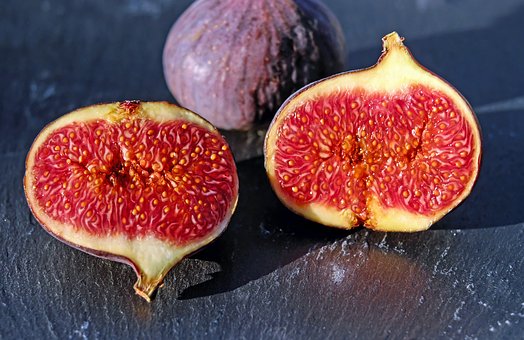
I. Which varieties are good for potted figs?
For potted figs, you should choose varieties with brightly colored fruit and moderate growth vigor. Varieties bred specifically for pots, such as Hongaisheng and A42, are best, along with Japanese Purple Fig, Ziguang, and Shengguo No. 1 A42.
II. How do you care for potted figs?
1. Choosing a flower pot: The fig's root system is very well developed; it generally takes root about a week after planting, and as the plant keeps growing, the roots become more and more developed until they can fill the entire pot. Therefore, when choosing a flower pot, it is best to choose a large one, as this favors root growth.
2. Soil: Figs like to grow in soil that is fertile and well aerated, so when choosing soil, sandy soil or fertile clay will do, and when adding soil, you can appropriately add a small amount of organic fertilizer such as chicken manure or cake fertilizer to promote nutrient uptake by the roots and encourage flowering and fruiting.
3. Watering: Figs do not have high water requirements; generally, you just need to keep the soil moist. The specific watering method is as follows:
(1) In spring, just keep the soil somewhat moist.
(2) In summer, water frequently so the potting soil does not dry out and the roots cannot absorb water, causing the branches and leaves to wither and affecting fruiting. However, when watering, be sure not to soak it through all at once; instead, water once in the morning and once in the evening, and it is best to water near the edge of the flower pot.
(3) In autumn, you can appropriately reduce water to prevent the fruit from splitting, which would affect fruiting.
(4) In winter, figs enter dormancy, so you can water flexibly according to the indoor temperature.
(5) If the rainy season arrives, you should control the water to avoid too much water overflowing outside the pot and causing waterlogging damage.
4. Shaping and pruning: Figs grow quickly, especially the new shoots around the edges, which grow the fastest. So in order to promote even nutrients among the branches and a good appearance, it is best to prune them at the right time. When pruning, it is best to cut off all the leftover, crowded, and diseased branches around the edges.
The specific pruning method is to wait until the fig seedling grows to about 20cm, then cut off the main branch to facilitate better care later and encourage branching from the side branches. In addition, you can prune different shapes according to your own preferences, but be sure that the main branch and side branches are even.
5. Keeping warm: Figs are sensitive to cold, so in late autumn or winter, move them to a warm environment and let them get sunlight at the right time so the plant can overwinter safely. In addition, in winter, figs enter dormancy, their demand for nutrients is low, and growth stalls, but in order to enable flowering and fruiting the following year, it is best to water flexibly according to the indoor temperature.
6. Pest and disease control
During the fig's growth period, there are relatively few pests and diseases; generally, fruit anthracnose, root-knot nematodes, or mulberry longhorn beetles may occur.
(1) Mulberry longhorn beetle: This pest is relatively common, and the species it generally damages include the branches and trunks of fruit trees such as apple, peach, and apricot. Its damage rate generally reaches 50%, and in severe cases can reach as high as 90%. So if you want to prevent this pest, you need to take preventive measures in advance. For plants that have already been damaged, you can plug the holes with poisonous sticks, or use agents such as dichlorvos emulsifiable concentrate or chlorpyrifos to eliminate them.
(2) Root-knot nematode: Root-knot nematodes mainly damage the plant's root system, and this type of disease is also relatively common, so when planting, avoid continuous cropping and quarantine and disinfect the seedlings at the right time. If conditions permit, it is best to disinfect the soil.
(3) Fruit anthracnose: Anthracnose mainly damages the leaves, causing the fruit to gradually rot and affecting yield. Therefore, when growing figs, try to spray 200 times lime double-strength Bordeaux mixture or 75% chlorothalonil 600-800 times solution early before the fruit develops the disease in summer and autumn. For the latter, the safe interval period (the number of days from the last application to harvest) is 7-14 days.
III. Key points to note when planting potted figs:
1. Fertilizing: Figs do not have high fertilizer requirements; generally, you can fertilize from late March to late August, but when fertilizing, it is best to choose organic fertilizer, as the fruit produced this way tastes better and has higher sugar content. Chemical fertilizer can also be used; be careful not to use too much, and it is best to apply light fertilizer frequently.
2. Watering: The water requirement for potted figs is not to water when the surface is dry, and when you do water, soak it through. So you just need to keep the potting soil moist, but in summer or winter, you should water flexibly according to actual conditions.
3. Temperature: Figs are neither cold-tolerant nor heat-tolerant, so when the winter temperature is below -5°C, you need to keep them warm by placing them in a greenhouse and watering at the right time. In summer, when the temperature is above 38 degrees, move them to a cool, ventilated environment to avoid high temperatures causing the leaves to wilt and affecting growth.