Umbrella Tree Leaves Turning Yellow and Dropping: Master These Care Tips and It Will Stay Lush and Green No Matter How Difficult It Is to Grow
The umbrella tree (Schefflera arboricola) is fairly common in our daily lives. Although it is considered an easy-care plant, certain problems can still cause its leaves to turn yellow and drop. Today I will walk you through exactly what causes this and how to fix it.
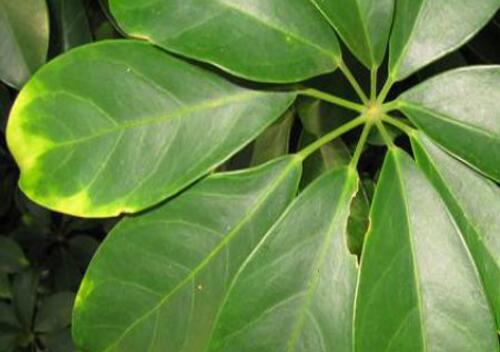
Causes of Yellowing Leaves in Umbrella Trees
1. Potting soil too dry: this causes leaves to droop, turn yellow and fall off. Since the umbrella tree is not drought-tolerant, keeping the potting soil moist is key. But you also need to follow the rule of not watering until the surface soil is dry, and it is best to water when the surface soil just begins to look pale.
2. Potting soil too wet: this causes root rot. You can take the umbrella tree out of the pot, remove the soil, cut off the rotted roots, replace with fresh soil and replant, water thoroughly, then place it in a shady spot.
3. Over-fertilizing: this burns the roots. Take the umbrella tree out of the pot, wash the roots with clean water several times in a row, then soak the roots in clean water. Once the leaves recover, replace with fresh soil and replant.
4. Insufficient fertilizing: the umbrella tree has certain fertilizer requirements, especially during the growing season when it needs plenty of fertilizer. If fertilizer is insufficient, its leaves will also turn yellow and drop.
5. Too little light: the umbrella tree likes partial shade and is usually grown in bright, indirect light. If it is placed in a rather dark room, its growth will be affected, causing yellowing and leaf drop.
6. Too much light: excessive light is also one of the causes of leaf drop in umbrella trees. Under direct sun exposure, the leaves easily wither, turn yellow and fall off. This is especially serious if the plant is suddenly moved from a spot with no sunlight to a spot with intense sunlight.
Solutions for Yellowing Leaves in Umbrella Trees
1. Apply enough fertilizer, and apply it well
The umbrella tree needs plenty of nutrients during its growing season. In summer, fertilize once a week with granular fertilizer containing nitrogen, phosphorus and potassium, applied after loosening the soil. From April to September, apply diluted liquid fertilizer once a month to ensure the potting soil has sufficient nutrients, and do not apply just one single element.
If too much fertilizer has been applied, take the umbrella tree out of the pot, wash the roots with clean water several times in a row, then soak the roots in clean water. Once the leaves recover, replace with fresh soil and replant.
2. Water correctly
When watering, be careful not to give too much; just keep the potting soil moist. In spring, summer and autumn, water roughly once every 3-4 days, and reduce watering in winter. When the air is dry, sprinkle a little water on the leaves from time to time to increase humidity.
3. Ensure moderate sunlight
The umbrella tree likes shade; simply placing it in a bright spot is enough for normal growth. Except in winter, you can place the plant outdoors or by a window for care, avoiding direct strong light and ensuring plenty of indirect light. In winter, move it indoors to a spot that gets sunlight and raise the temperature appropriately.
4. Prevent pests and diseases
Care for it carefully on a regular basis, ventilate promptly, and remove diseased and yellow leaves as soon as you find them. You can keep a fungicide on hand at home and spray it diluted once a month, which effectively prevents pests and diseases.