The Benefits, Effects and Medicinal Uses of Thistle (Cirsium setosum, Xiao Ji), a Wild Vegetable from the Countryside
In the countryside there are many kinds of wild vegetables, such as purslane, plantain, and bitter lettuce, and they all have different benefits. Today I will introduce another high-quality wild vegetable—thistle, also called Xiao Ji. So what are the benefits and effects of thistle? What diseases can it treat? How is it eaten?
I. A brief introduction to thistle
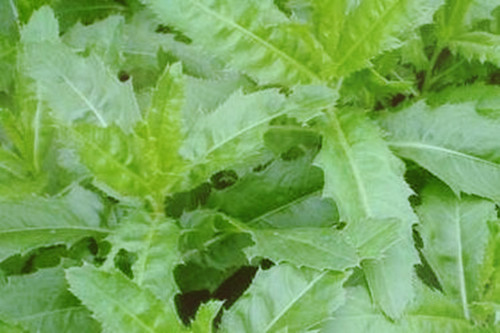
Thistle is a plant of the genus Cirsium in the Asteraceae family, also known as Xiao Ji, Ji Ji Cao, Ci Cai, Qu Qu Cai, Qing Qing Cai, Ji Ji Cai, Ci Jiao Cai, Bai Ji Jiao Ci, Qiang Dao Cai, Xiao E Ji Po, Xiao Ji Jiao Ci, Xiao Niu Zha Kou, Ye Hong Hua, and more; it is a perennial herb; its ovate or elliptical leaves are alternate, with spiny margins and white silky hairs on both sides; in summer it blooms with purplish-red flowers in terminal capitula; it grows in areas from 140 m to 2650 m in altitude, generally on wasteland, grassland, mountain slopes in forests, roadsides, in shrub thickets, in fields, at forest edges and beside streams. The aboveground part of thistle can be used as medicine and is called Xiao Ji; it is now also cultivated artificially for medicinal use.
II. The benefits and effects of thistle
1. Nature, flavour and meridian entry of thistle: cool in nature, sweet and bitter in flavour; enters the Heart and Liver meridians.
2. Effects of thistle: thistle has the effects of cooling the blood, removing blood stasis, stopping bleeding, and reducing swelling. It is generally combined with cattail pollen, akebia stem, and talc, and has very good results in treating coughing up blood, blood in the urine, blood in the stool, uterine bleeding and spotting, traumatic bleeding, and carbuncles and swellings.
3. Actions of thistle
(1) Excitatory effect on the heart
(2) Blood pressure-raising effect
(3) Effect on adrenergic receptors
(4) Bleeding-stopping effect
(5) Anti-mutagenic effect
(6) Antibacterial effect
4. Dietary contraindications for thistle: thistle is bitter and cool in nature and flavour, so it should be avoided by people with weak stomach and diarrhoea, as well as those with blood deficiency or cold-deficiency of the spleen and stomach.
III. What diseases can thistle treat?
1. Stopping bleeding: for some bleeding symptoms, such as bleeding from a knife wound, we can pound thistle into juice and apply it to the bleeding spot, which can help us stop the bleeding quickly.
2. Treating high blood pressure: thistle combined with some blood pressure-lowering herbs, decocted in water and drunk, can produce a very good blood pressure-lowering effect.
3. Treating vomiting of blood and coughing up blood: pound the leaves and roots of thistle and squeeze out the juice to take.
4. Treating itching of the female genital area: boil thistle in water to make a juice, then wash the genital area with it, using it once every three days and washing three times a day; it will gradually improve.
5. Treating asthma: cook thistle together with pork, and after the meat is tender remove the solids and drink only the meat broth, eating it once every 3-5 days; it also has a certain supportive effect on asthma.
6. Treating excessive bleeding from miscarriage: take 155 g each of thistle root, thistle leaves and Chinese motherwort, add two large bowls of water and decoct down to one bowl, and take it in two doses.
7. Treating urinary tract infection and blood in the urine: decoct 15 g each of thistle and Kalimeris root in water and take.
8. Treating heart heat and dry mouth: pound the roots and leaves of thistle into juice and take it; it is very effective for relieving heart heat, restlessness, and dry mouth.
9. Treating acute nephritis: decoct 15 g of thistle, 9 g of rehmannia, and 60 g of cogongrass rhizome in water and take.
Thistle does have very good curative effects in treating these conditions, but it should still be used under the guidance of a physician.
IV. How is thistle eaten?
Thistle is one of the common wild vegetables in the countryside; generally its tender shoots are eaten, and they can be stir-fried, made into soup, served as a cold dressed dish, or cooked into congee.