Is the hydrangea toxic? Detailed guide to growing methods and color adjustment techniques
Hydrangea is also known as eight immortals flower, pink ball flower, foreign hydrangea, etc. According to relevant historical records, China was already cultivating hydrangeas during the Ming and Qing dynasties, and many scenic areas today also feature hydrangeas. The flowers of the hydrangea are almost entirely sterile flowers, and artificial cultivation is very advanced, with flower colors covering blue, white goose, purple-red, pink, etc. So is the hydrangea toxic? How do you grow hydrangeas? How do you adjust the color of hydrangeas?
I. Is the hydrangea toxic?
The hydrangea is toxic.
The hydrangea contains toxic elements in its body, so it is not recommended to grow it indoors, especially for households with children, because danger arising from curiosity is very troublesome. Friends who like hydrangeas can choose to cultivate them in the courtyard, which also allows them to better absorb sweet dew.
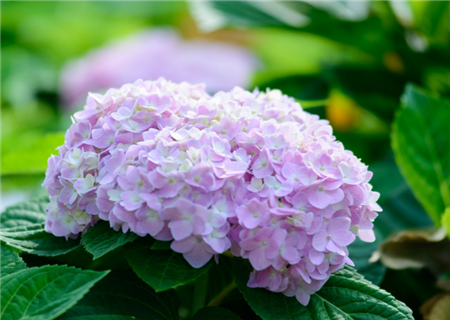
The toxicity of the hydrangea is mainly concentrated throughout the whole plant. Its smell differs from ordinary flower fragrance; the hydrangea's scent is rather unpleasant. If there is physical contact or you accidentally touch it, be sure to rinse promptly with clean water to prevent nausea, dry heaving, abdominal pain, headache, bodily convulsions and other conditions.
Note: Friends who have a pregnant woman at home should not grow hydrangeas. The pollen smell will inevitably cause discomfort and can easily trigger symptoms such as allergies.
II. How do you grow hydrangeas?
1. Soil selection
Hydrangeas need soil with strong permeability and high nutrient content; you can choose loose, fertile sandy loam. The soil in the pot should be kept moist, and note that the amount of watering must not be too much, especially in the rainy season; pay attention to drainage, and never let excessive water cause root rot. It is recommended that you find a professional florist at the flower market to prepare the soil ratio, which is more conducive to the growth of hydrangeas.
2. Watering amount
Hydrangeas like a moist environment, so everyone should water diligently, but do not water too much. In spring and summer you can water a bit more, because spring and summer are prone to drought and flooding, and the air is relatively dry. In autumn, you can control the amount of watering according to weather changes, and when winter comes, watering needs to be reduced again.
Note: Hydrangeas generally grow most suitably in an environment of 17—30 degrees Celsius. Winter temperatures are too low, so pay more attention to keeping warm.
3. Pruning techniques
Hydrangea pruning is generally carried out in late spring and early summer. The flowering period mostly ends in May. After picking out the withered flowers and leaves, a slight pruning will allow new leaf buds to grow, and cutting off the top stem buds at the top can also be used as cuttings. You can also choose to do cuttings in September-October. By October the hydrangea has already grown many new branches, and because of the weather, it is suitable for cutting propagation.
III. How do you adjust the color of hydrangeas?
1. Hydrangea blooms red flowers
Hydrangeas blooming red flowers is the most common. As long as the soil is slightly alkaline, the hydrangea can bloom red flowers. In the Jiangsu-Zhejiang-Shanghai region, because of the regional environment, hydrangeas can bloom red flowers without separately applying acidic fertilizer.
2. Hydrangea blooms blue-purple flowers
Hydrangeas blooming blue-purple flowers is mainly about adjusting the pH of the soil. Prepare aluminum sulfate, white vinegar, and potassium fertilizer, mix and stir the soil, and before the hydrangea flower buds form, apply aluminum sulfate fertilizer once every 10 days. When watering, use white vinegar water to maintain the acidic state of the hydrangea pot soil. This can increase the aluminum ions in the soil. The anthocyanins in the hydrangea combine with the aluminum ions, and the flower color can then turn blue.