Nasturtium cultivation and growing methods to keep it blooming all year round with brilliant colors
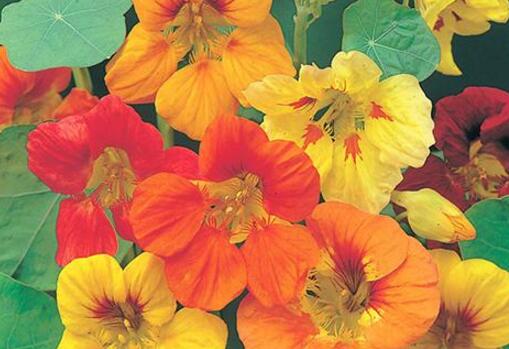
Nasturtium, a plant of the genus Tropaeolum in the family Tropaeolaceae, is a perennial semi-trailing or prostrate plant. The plant height is 30cm-70cm. The basal leaves have long petioles, and the leaf blades are pentagonal, divided into three parts, with secondary lobes, and a few small lobes and sharp teeth. It is a beautiful plant that can bloom throughout the year! Below we bring you the growing methods for nasturtium!
I. Growing methods for nasturtium
(1). Choosing soil
Nasturtium needs sandy soil rich in humus and with good drainage, with a pH value between 5 and 6. It needs frequent loosening of the soil in daily care to avoid soil compaction and ensure soil aeration, otherwise waterlogging is likely. Only a good soil environment can ensure healthy root growth.
(2). Suitable temperature
The suitable growing temperature for nasturtium is 18-24 degrees, and the suitable germination temperature is 8-20 degrees. In winter, the temperature needs to be kept above 10 degrees so it can overwinter safely without frost damage. In summer, the temperature needs to be below 35 degrees, otherwise it is very difficult to make the plant bloom.
(3). Sufficient light
Nasturtium needs sufficient light during the growing period. In spring, autumn and winter, ensure sufficient light and place it in a sunny environment. In summer, take shade measures to avoid exposure to strong sun and excessively high temperatures, which will affect the plant's blooming.
(4). Water and fertilizer management
Water and nutrients are crucial to the growth and blooming of nasturtium. In spring and autumn, water once every 2-3 days. In summer, increase the frequency of watering, watering once every day; when the temperature is higher, also spray water frequently to lower the temperature and maintain humidity. During the flowering period, reduce watering to avoid excessive leggy growth of the branches. Fertilization is mainly compound fertilizer to ensure balanced nutrients, which is beneficial to plant growth and blooming. Do not apply concentrated fertilizer, otherwise it will cause fertilizer damage.
II. Growth habits of nasturtium
It likes a mild climate and cannot tolerate severe cold or intense heat. The suitable growing temperature is 18 to 24 degrees Celsius. It can tolerate short periods of 0°C. It likes warmth and humidity, and the overwintering temperature should be above 10°C.
It does not bloom easily at high summer temperatures, and growth is inhibited above 35°C.
Winter, spring and autumn require sufficient light, and potted plants should avoid exposure to strong sun in summer.
III. Uses of nasturtium
Ornamental: Nasturtium has plump leaves and beautiful flowers, making it a rare potted decorative item.
Medicinal: Clears heat and detoxifies. Used for conjunctivitis, carbuncles, boils and swollen toxins.
Food ingredient: Nasturtium can be eaten raw as a cold dish; add minced garlic, MSG, sesame oil and other seasonings, stir it a bit, and it is perfect in color, aroma and taste!
IV. Flower language of nasturtium
Love is everywhere, it is just that your heart is absent.