What is the best month to plant Aptenia cordifolia? Home growing methods and precautions
Aptenia cordifolia is a plant similar to spider plant. It is very suitable for growing at home, can decorate the interior well, add bright color, and has high ornamental value. So what is the best month to plant Aptenia cordifolia? How do you grow Aptenia cordifolia at home? What precautions are there?
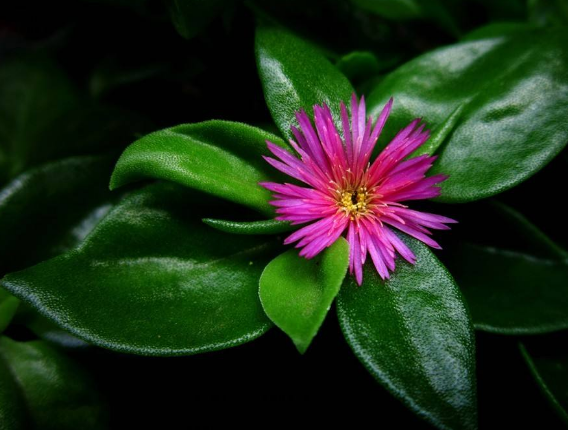
I. Introduction to Aptenia cordifolia
Aptenia cordifolia is native to southern Africa. It likes light. Except for shading at noon in midsummer, it needs sufficient light at other times throughout the year. In winter, when paying attention to temperature, let Aptenia cordifolia receive sunlight as much as possible. After Aptenia cordifolia enters autumn, pay attention and move it indoors in time to avoid the cold, so as not to freeze and damage Aptenia cordifolia.
From March to September of the year is the vigorous growth period of Aptenia cordifolia. During the high-temperature period in summer, it has a very high demand for water, and at the same time pay attention that there must be no standing water in the pot. Follow the principle of dry-wet cycle; too much water will cause root rot in Aptenia cordifolia, and in severe cases death. Aptenia cordifolia does not have strict fertilizer requirements; just note to give growing Aptenia cordifolia cake fertilizer water once every half month.
II. Which months are suitable for cuttings of Aptenia cordifolia
The most suitable cutting time for Aptenia cordifolia is spring, summer and autumn, but summer and autumn are best. It is best to choose the rainy season or cloudy days; the survival rate of cuttings is relatively high.
III. Growing methods for Aptenia cordifolia
1. Soil. Aptenia cordifolia is native to South Africa. It likes a sunny, dry and ventilated growing environment, avoids high temperature and high humidity, and likes well-drained sandy soil. Care is relatively simple.
2. Sunlight. Aptenia cordifolia likes light and can be placed in a sunny place to receive sunlight as much as possible.
3. Temperature. Aptenia cordifolia likes a warm and comfortable living environment. In summer, when the temperature is relatively high, pay attention to cooling the plant, but in winter, when the temperature is relatively low, prevent the plant from freezing.
4. Watering. Aptenia cordifolia likes a dry environment. Do not water too much; too much water easily causes root rot.
5. Fertilizing. Aptenia cordifolia does not have high requirements for fertilizer and water. Apply fertilizer water about once every half month.
6. Pests. Aptenia cordifolia grows extensively and is not prone to pests and diseases, but still pay attention to spraying for prevention and control.
7. Pruning. In winter, promptly cut off diseased and pest-damaged branches, which can ensure the tree vigor does not decline and the branches are thick and the leaves lush.
IV. Propagation methods for Aptenia cordifolia
1. Water culture
(1) First, we need to prepare a container. A glass bottle can be chosen, as this allows better viewing of its root system. Then expose tap water in advance for two days (to remove chlorine from the tap water).
(2) Prepare a pair of clean scissors, select some relatively robust Aptenia cordifolia branches and cut them off, keeping about 8 to 10 cm, then place the branches in a ventilated and cool place to dry, promoting wound healing.
(3) Put the prepared branches into the glass bottle, with about 5 cm of the branches in water, then place them in a ventilated and cool place for care. After about a week, new roots can grow.
(4) Precautions: For plants in water culture, we must ensure the water quality is clean and change the water frequently, otherwise the roots may rot, and nutrient solution should not be added too much; water-cultured Aptenia cordifolia can receive morning and evening sunlight, but remember not to expose it to strong light.
2. Cuttings
(1) Soil: Actually, Aptenia cordifolia is a very easy plant to keep alive, and its soil requirements are not high. Some garden soil is enough, but semi-moist soil is better and makes it easier for Aptenia cordifolia to survive.
(2) Cuttings: We can cut off some relatively robust Aptenia cordifolia branches, then insert them into the prepared potting soil and place them in a ventilated and cool place.
(3) Precautions: After cutting, we must not water it frequently. If there are eggshells at home, we can wash them clean and crush them and put them on the potting soil. This is a very good nutrient substance and can bring nutrients to Aptenia cordifolia.
V. Precautions for growing Aptenia cordifolia
1. If Aptenia cordifolia is placed in a place with insufficient light for a long time, the leaf color easily becomes pale, lacks vitality, and the leaves may even fall off, losing ornamental value.
2. Watering Aptenia cordifolia too much will cause root rot, and in severe cases death. Control the amount of watering well.
3. Aptenia cordifolia does not have high requirements for fertilizer and water. During the growing season, note to apply cake fertilizer water once about every half month. If too little fertilizer is applied, growth will be slow.