Sea buckthorn: benefits, effects, how to eat it, and its therapeutic effect on skin diseases
Sea buckthorn is a plant of the genus Hippophae in the family Elaeagnaceae. The roots, stems, leaves, flowers and fruits of sea buckthorn all have good medicinal value. In ancient China, Tibetan and Mongolian doctors used sea buckthorn fruit as a common medicine for treating diseases. So what are the benefits and effects of sea buckthorn? How should it be eaten for the best results?
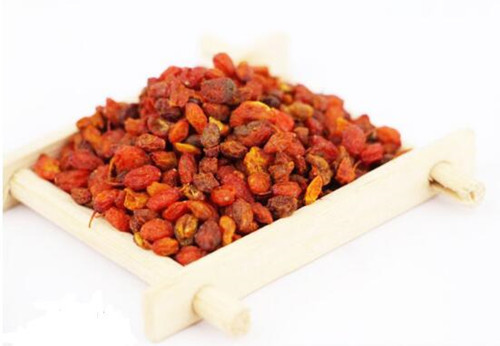
I. Introduction to sea buckthorn
Sea buckthorn, also known as vinegar willow, yellow sour thorn, sour thorn willow, black thorn, sour thorn and so on, is a thorny deciduous shrub of the genus Hippophae, native to the temperate and cold-temperate regions of Asia and Europe. Sea buckthorn can prevent wind and fix sand, and its fruit can be eaten or used to make beverages. In addition, sea buckthorn fruit also has value in beauty care and medicine. China is the country with the most sea buckthorn resources in the world, mainly distributed in North China, Northeast China and Northwest China, with the largest distribution in Shanxi Province.
As a deciduous shrub, sea buckthorn is between two and four meters tall, with rough branches, black outer bark, and lanceolate leaves; it flowers three years after planting, is dioecious, and spreads seeds through the wind; sea buckthorn has a very well-developed root system, and its roots form a symbiosis with Frankia bacteria. A single fruit weighs between 270 and 480 mg and is rich in vitamin C, E and B12 as well as carotenoids, flavonoids and fatty acids.
II. Benefits and effects of sea buckthorn
1. Nutritional value of sea buckthorn
Sea buckthorn has high nutritional value. Its fruit, leaves and seed oil all have good medicinal and nutritional value. The specific nutritional components are shown in the table below:
| Sea buckthorn fruit | Sea buckthorn leaves | Sea buckthorn oil |
| ① Per 100 g of sea buckthorn fruit pulp: Vitamin C: 500mg-400mg Vitamin E: 250mg-400mg Vitamin B1: 0.05mg-0.3mg Vitamin B2: 0.03mg-0.15mg Vitamin B1 20.2mg-0.88mg Vitamin K compounds: 115mg Vitamin P group: 20mg-350mg ② Contains active substances such as amino acids, fatty acids, linoleic acid, sea buckthorn flavonoids and superoxide dismutase (SOD) ③ Contains 7 flavonoid substances such as isorhamnetin, glycosides, quercetin and kaempferol, as well as trace elements | Sea buckthorn leaves contain 15.75% crude protein, 9.48% crude fat, 14.04% crude fiber and 54.84% nitrogen-free extract | Sea buckthorn seeds contain 10%—12% oil, and the fruit pulp contains 14%—18% oil. Sea buckthorn oil contains 206 kinds of active substances beneficial to the human body, and also contains large amounts of vitamin E, vitamin A, flavonoids and so on |
2. Benefits and effects of sea buckthorn
(1) Sea buckthorn has the effect of resolving phlegm and relieving cough: Sea buckthorn is a valuable traditional Chinese medicine, sour and astringent in taste and warm in nature; it enters the spleen, stomach, lung and heart meridians, and has the effects of resolving phlegm, relieving cough, promoting blood circulation and dispersing blood stasis. In ancient China, Tibetan and Mongolian doctors listed sea buckthorn as an important medicinal plant, used for relieving cough, calming asthma, promoting blood circulation and dispersing blood stasis, and so on.
(2) Sea buckthorn has the effect of improving the cardiovascular and cerebrovascular systems: Medical research shows that sea buckthorn seed oil is rich in unsaturated fatty acids and fat-soluble vitamins, and has good effects in lowering cholesterol, relieving angina attacks, and preventing and treating coronary atherosclerosis, thereby effectively improving the cardiovascular and cerebrovascular systems.
(3) Sea buckthorn has the effect of strengthening the spleen and promoting digestion: Sea buckthorn is warm in nature and enters the spleen and stomach meridians. Sea buckthorn seed oil contains a variety of anti-inflammatory and anti-ulcer components and lipid compounds, and has a certain auxiliary effect on gastric ulcers, duodenal ulcers, gastritis, chronic diarrhea and ulcerative colitis.
(4) Sea buckthorn has the effect of delaying aging: Sea buckthorn is rich in SOD active components and has a strong antioxidant effect, with a certain auxiliary effect on delaying aging.
(5) Sea buckthorn has the effect of accelerating wound healing: Sea buckthorn seed oil has the effect of promoting tissue regeneration and epithelial tissue healing, and has a good auxiliary effect on burns, scalds, cuts and burns, and frostbite.
Besides its medicinal value, sea buckthorn also has high economic value. Sea buckthorn has a well-developed root system and the characteristic of bearing nitrogen-fixing root nodules, and is extremely resistant to drought, barren soil and salt and alkali, so it is used as an excellent tree species for preventing wind and fixing sand, conserving water and soil, and improving soil, and has been promoted for planting in many regions across the country.
Note: Although sea buckthorn has good benefits and effects, it should also be used under the guidance of a doctor, and it cannot directly replace medication for treatment; it only has an auxiliary therapeutic effect on some diseases.
III. How should sea buckthorn be eaten for the best results?
1. Eating sea buckthorn fruit raw: Sea buckthorn fruit is sweet and sour, and fresh sea buckthorn fruit can be eaten directly raw.
2. Besides being eaten raw, sea buckthorn fruit can also be processed into fruit juice, fruit wine, jam, preserved fruit, jelly, beverages, health products and so on.
3. Dried sea buckthorn fruit and sea buckthorn leaves can be eaten directly, brewed as tea, or used in porridge, soup and so on.
4. Sea buckthorn fruit oil and sea buckthorn seed oil are yellow to orange-red transparent liquids and belong to a type of vegetable oil. They can be eaten directly, and are usually made into capsule products or used for skin care. Generally, those who want to protect the liver choose sea buckthorn seed oil; those who want to nourish and protect the stomach choose sea buckthorn fruit oil, which contains more vitamin E and carotene than seed oil and is brownish-red in color.
IV. Who is sea buckthorn suitable for?
Sea buckthorn is suitable for middle-aged and elderly people, patients with high blood pressure, people with cardiovascular and cerebrovascular diseases, and women who love beauty. Although sea buckthorn has medicinal value, it should also be taken under the guidance of a doctor to see whether it is suitable, and it must never directly replace medication for treatment; make sure to use it safely.
V. Can sea buckthorn treat skin diseases? Is draining dampness and dispelling cold true or false?
As to whether sea buckthorn can treat skin diseases and drain dampness and dispel cold, according to the editor's research of the materials, there is no experimental proof that it can treat them. It may have some auxiliary effect, but if you want treatment, you still need to use it under the guidance of a doctor.