Yellowing pothos leaves in winter may be caused by these 5 overlooked points
Many gardening enthusiasts say that once winter arrives, their pothos always turns yellow, making it look as if it is about to die. So what causes pothos leaves to turn yellow in winter? Why do pothos leaves so often turn yellow once winter comes, and how should this problem be solved? In fact, it may be that these 5 points have not been handled well!
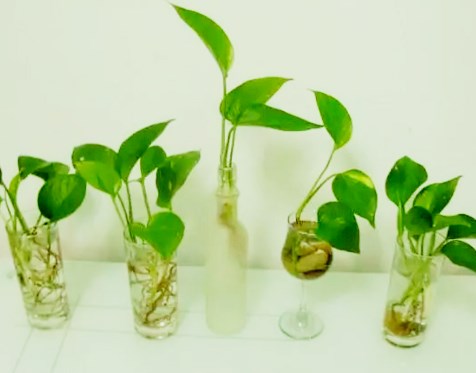
1. Improper watering
From the perspective of winter temperatures, pothos generally stops growing at this time, so the frequency of watering should be reduced and fertilizing should be stopped. If too much water is given at this time, it can easily cause the pothos root system to die, and the first sign is yellowing leaves.
Solution: After winter begins and the temperature drops, start reducing the frequency of watering. If the leaves have already turned yellow, check the degree of yellowing. If they have only just begun to turn yellow, stop watering the pothos and place it in the sunlight to dry out. If it is relatively severe, consider repotting it.
2. Poor air circulation
In winter, because the weather is too cold, most gardening enthusiasts keep the doors and windows of their homes tightly closed, which prevents indoor air from circulating. However, pothos needs a well-ventilated environment to grow, so this causes its leaves to begin turning yellow.
Solution: After winter begins, you can choose to open the windows for a few hours at noon on a sunny day to ventilate. This is good for both people and plants.
3. Insufficient humidity
Winter is already relatively dry, and combined with the cold, many gardening enthusiasts turn on air conditioning indoors, which makes the indoor air even drier. When the weather is too dry, the surface of pothos leaves loses water, which can also cause the leaves to turn yellow.
Solution: Frequently spray water on the leaves of the pothos to maintain air humidity.
4. Temperature too low
Because pothos is a flower that is not tolerant of low temperatures, if the temperature is too low in winter and moisture is sufficient, it can cause root rot in pothos, which in turn leads to an insufficient water supply from the root system. The visible sign is that the leaves at the base begin to turn yellow, and the leaves at the top of the pothos lose their luster.
Solution: At first, you can drench the roots with root rot treatment. If it has no effect, consider using branches without yellow leaves for re-cutting propagation to avoid losing the entire plant.
5. Cold damage
Just as winter begins, the weather changes are not obvious, and many gardening enthusiasts do not manage to move their pothos indoors in time before the cold air arrives. The first sign of cold damage in pothos is also yellowing leaves.
Solution: After winter begins, move it back indoors in time for care, and keep an eye on the weather forecast.
In addition, there are many uncertain factors when pothos overwinters. Relatively robust pothos is more cold-tolerant, while pothos that usually grows weakly is not very cold-tolerant.
In the end, to help pothos overwinter safely in winter, one thing is to ensure the temperature as much as possible, and another is to control watering and not fertilize. In the same area, some gardening enthusiasts' pothos overwinters safely, while others freeze to death. Therefore, while controlling water appropriately, try to place the pothos in a sunny spot and do not let it be exposed to wind.