Andrographis paniculata (Acanthaceae): Benefits, Uses, Contraindications, and Is It the Same as the Heartleaf Aptenia?
When people mention Andrographis paniculata, some may not be very familiar with it. It is mainly produced in the Fujian and Guangdong regions and is a herbaceous plant. Andrographis paniculata has many benefits and values, which is why it has also been used in medicine. So what are the benefits and uses of Andrographis paniculata? Is it the same plant as the heartleaf aptenia?
I. Andrographis paniculata
1. Introduction
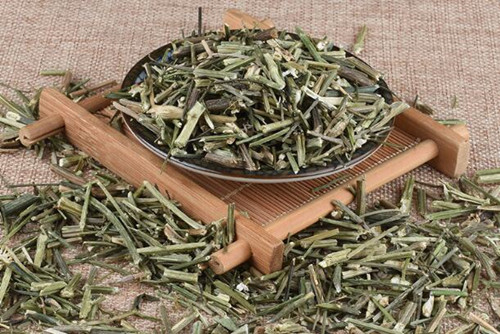
Andrographis paniculata is an annual herbaceous plant in the Acanthaceae family, also known as spring lotus autumn willow, yi jian xi, olive kernel lotus, bitter gall grass, golden fragrant grass, golden ear hook, Indian grass, bitter grass, etc. It originated in India, and is cultivated in China in Fujian, Guangdong, Hainan, Guangxi, Yunnan and other places. When the stems and leaves are lush in early autumn, it is harvested and dried in the sun.
2. Morphological characteristics
The Andrographis paniculata plant is upright and many-branched, with branches that are square in shape and have obvious angles. The leaves are opposite, lanceolate or narrowly lanceolate, about 2 to 8 cm long and 5 to 25 mm wide. It blooms in summer and autumn, with white or light purple flowers arranged in terminal or axillary raceme inflorescences. The capsule is linear-oblong, flat, and about 1.5 cm long. It has a slight odor and an extremely bitter taste——hence the name Andrographis paniculata.
II. Benefits and uses of Andrographis paniculata
According to modern medical research, the roots and leaves of Andrographis paniculata contain different components, as shown in the table below:
| Andrographis paniculata | Contains andrographolide, neoandrographolide, 14-deoxyandrographolide, andrographolide glycoside, 14-deoxyandrographolide glycoside, as well as flavonoids and other compounds |
| Andrographis paniculata leaves | Contain andrographolide, deoxyandrographolide, neoandrographolide, etc. |
| Andrographis paniculata root | Contains andrographis flavonoid glycosides, andrographis flavonoids, 3-O-methylandrographis flavonoids, 5-hydroxy-7,8-dimethoxyflavone and other flavonoid components |
Andrographis paniculata is cold in nature and bitter in taste, and enters the heart and lung meridians. It is a food that is also used as medicine. It is understood that Andrographis paniculata has the following four major benefits and uses:
1. Benefit one: clearing heat and detoxifying, reducing swelling and relieving pain
According to records in traditional Chinese medicine, Andrographis paniculata is bitter in taste, cold in nature, and enters the heart, lung, large intestine, and bladder meridians. It has the benefits of clearing heat and detoxifying, reducing swelling and relieving pain, and is used for acute bacillary dysentery, gastroenteritis, cold with fever, influenza, epidemic cerebrospinal meningitis, lung abscess and other diseases.
2. Benefit two: reducing inflammation and detoxifying
Andrographis paniculata has a very good anti-inflammatory effect. In clinical practice it has been used for a variety of infectious diseases, including trauma infection, boils, carbuncles, erysipelas, upper respiratory tract infection, acute and chronic tonsillitis, acute and chronic pharyngitis, acute and chronic bronchitis, acute bacillary dysentery, acute gastroenteritis, urinary tract infection, endometritis, pelvic inflammatory disease, otitis media, periodontitis, etc., with varying degrees of therapeutic effect.
3. Benefit three: antibacterial
Andrographis paniculata is rich in neoandrographolide. Clinical trials have shown that this substance is very helpful in the treatment of bacillary dysentery.
4. Benefit four: treating venomous snake bites
Andrographis paniculata has a certain therapeutic effect on venomous snake bites. Many Indians choose to use it to neutralize the venom after being bitten by a snake. Fresh Andrographis paniculata is mashed and mixed with the tobacco oil from a dry tobacco pipe and applied externally to the wound, and separately 3 to 5 qian of fresh Andrographis paniculata leaves are decocted in water and taken orally.
Note: (Be sure to follow a doctor's advice when using Andrographis paniculata to treat illness. This article is only for sharing and reference.)
III. Usage, dosage and contraindications of Andrographis paniculata
1. Usage and dosage of Andrographis paniculata
(1) Oral use: decocted in water, 9-15 g; a single large dose can be used up to 30-60 g;
(2) Ground into powder: 0.6-3 g each time, put into capsules and swallowed, or taken with boiled water;
(3) External use: an appropriate amount, mashed or made into an ointment and applied to the affected area, or decocted in water and dripped into the eyes or ears.
2. Dietary contraindications for Andrographis paniculata
(1) Andrographis paniculata should not be taken in large amounts or over a long period;
(2) People with yang deficiency syndrome and weak spleen and stomach should take Andrographis paniculata with caution;
(3) Taking larger doses of Andrographis paniculata and its various preparations orally can cause gastrointestinal discomfort and loss of appetite. Attention should be paid to the dosage in clinical use, and symptomatic treatment should be given promptly if adverse reactions occur.
IV. Are Andrographis paniculata and heartleaf aptenia the same plant?
Andrographis paniculata and heartleaf aptenia are not the same plant. Heartleaf aptenia is also the “vegetable Andrographis paniculata” that people usually eat. Heartleaf aptenia, also called heartleaf ice plant, dew plant, flowering vine grass, sun rose, ox-horn trailing plant, cherry blossom trailing plant, etc., is a perennial evergreen trailing succulent plant in the Aizoaceae family. For many years it has been cultivated as an ornamental flower, and only in the past two years has it begun to be eaten. The tender stems and leaves of heartleaf aptenia can be eaten, but it cannot be used as the medicinal herb Andrographis paniculata.