What to do when pothos leaves turn yellow? Grow it this way and it will grow fast
Pothos has strong vitality and can survive as soon as it meets water, so it is also called the “flower of life.” It can climb and grow on a cylinder, or be directly potted and placed indoors for viewing. Almost everyone keeps a pot at home, but yellowing leaves often occur. So what should you do when pothos leaves turn yellow? How can you grow it so it grows fast?
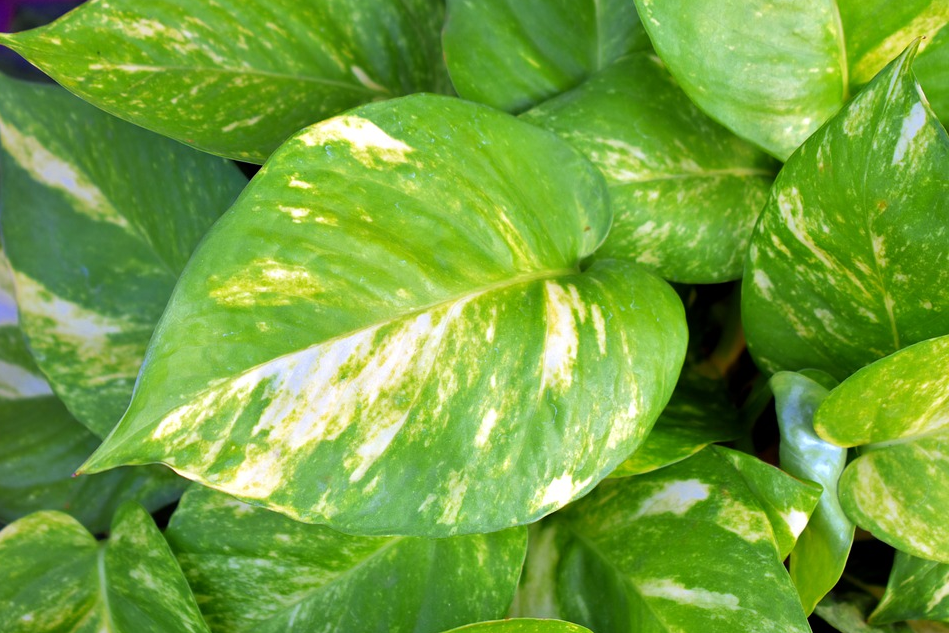
1. Why do pothos leaves turn yellow?
The main reasons pothos leaves turn yellow include: too much or too little watering, too strong light, too much fertilizer, and environmental changes caused by repotting or changing the soil. During pothos care, you need to observe more. When yellowing leaves are found, promptly identify the corresponding cause and deal with it.
1. Improper watering
Flower lovers naturally feel full of love for plants and worry that pothos does not have enough water, so they keep watering. But this only backfires. If watered too much, the young leaves become dull yellow and lose their luster, growth gradually stops, and the stems become thin and yellow-green.
But if you are careless and often forget to water the pothos, that will not work either. With long-term water shortage, the leaf tips and edges of the pothos will dry up, and the old leaves will wither, yellow, and fall off from top to bottom.
Solution: If watered too much, immediately take the pothos out of the pot and place it in a ventilated, shady place. After the soil dries out completely, put it back into the flowerpot.
If watered too little, water the pothos promptly and maintain good watering habits.
2. Improper light
Pothos generally grows in a shady environment. If it is placed in strong sunlight for a long time, the leaves are likely to shrink, then turn yellow and fall off.
However, placing it all the time in a cold, closed-off environment is also not good for the growth of pothos. The green leaves will lack chlorophyll and the color will turn yellow.
Solution: If the light is too strong, promptly move the pothos to a shady place with light, and water it appropriately; if light is lacking, place the pothos in a shady but well-lit place.
3. Unreasonable fertilizing
If too much fertilizer is applied and the fertilizer concentration in the soil is too high, the tips of newly grown leaves will become dry and brown, the leaf surface will be thick and fleshy but lack luster, and the old leaves will scorch, yellow, and fall off.
If fertilizer is lacking for a long time, the plant will suffer from nutritional deficiency. The color of young leaves becomes lighter, yellow or pale green, and the old leaves gradually turn from green to yellow.
Solution: If too much fertilizer is applied, first stop fertilizing immediately. If the situation is serious, promptly flush out some of the fertilizer with clean water, or directly replace the growing medium.
If too little fertilizer is applied, first check whether the potting soil has dried and hardened. If so, change the soil promptly.
4. Sudden environmental changes
People may not adapt to the climate when they go to a strange environment, let alone plants. Sudden changes in temperature, humidity, and light, or root damage from repotting, can all cause pothos leaves to turn yellow.
Solution: In this case, do not be too anxious. You can take measures to reduce environmental changes. After the pothos gradually adapts, the leaves will turn green again.
2. How to prevent leaves from turning yellow
1. Water appropriately
When growing pothos, do not water excessively. At most, spray water at the roots. You only need to keep the soil moist. You can often sprinkle water on the leaves to cool the pothos while replenishing moisture.
In summer, water more, but follow the principle of “potting soil moist but not waterlogged.” In winter, reduce watering; once every two to three days is enough.
2. Reasonable light
Although pothos likes a shady environment, it is best to receive sunlight at noon for photosynthesis, then take it back indoors. Make sure it receives strong light once within half a month.
In summer, be sure not to let pothos receive direct sunlight, as the leaves will be scorched. In winter, it can receive appropriate exposure.
3. Control the amount of fertilizer
Because pothos has relatively high fertilizer requirements, it is best to use special fertilizer and add less inorganic fertilizer.
In winter, the growth rate of pothos slows down, so fertilizer should be reduced. But in the summer growing season, it can be increased appropriately. The fertilizing method is mainly spraying liquid fertilizer.
4. Pay attention to observation
During the growth of pothos, pay more attention and observe. If yellowing leaves are found, promptly find the cause and take corresponding measures. Do not buy it and then leave it aside without care. If you do, various problems will appear in the growth of the pothos, and in the end it can only die.
3. How to grow soil-cultured pothos so it grows fast
1. More sun for a full pot
Succulent lovers look forward every day to their succulents filling the pot. In fact, pothos can do this too. If pothos is to fill the pot, it needs more sun. For outdoor growing, shade it from the noon sun to avoid harsh sunlight, and let the pothos enjoy sunbathing the rest of the time! For indoor growing, it is best to place the pothos by the window. Except for the noon sun in midsummer, it can receive sunlight at any time. However, take it outdoors from time to time to enjoy the pure taste of sunlight.
2. Spray water to keep it healthy
For long-term outdoor growing, water once every 1-2 days in summer; in other seasons, water whenever the potting soil dries. Pothos has fleshy roots, so a small amount of water shortage will not cause problems, but too much watering will rot the roots and affect growth. When there is plenty of outdoor sunlight, spray water several more times, mainly to clean the leaf surface indoors and avoid dust accumulation.
For indoor growing, water after the potting soil is completely dry, and after growing it for a period, take it outdoors, water it thoroughly once, grow it for a few days, then move it back indoors. As for spraying water, do it when ventilation is good or in the hot summer season, and try to avoid it at other times.
Watering and sunlight should be matched with each other. As long as both are relatively sufficient, there is no problem with pothos growing taller rapidly.
3. Repot and loosen the roots
The flowerpot for pothos should not be too large or too deep. It is not that however large a pot you give it, it will grow that large. When the crown diameter of the pothos exceeds 1.5 times the diameter of the pot opening, it needs to be moved to a pot one size larger. Only with a comfortable space of appropriate size can pothos grow quickly.
In addition, there is a little trick when repotting: loosen the root system of the pothos with a wooden stick. If not loosened, it will affect the combination of soil and roots and hinder nutrient absorption. In a poorly ventilated environment, it may also cause root rot.
4. Let rain moisten the leaves
When it rains, especially during thunderstorms, you can take the plant outdoors and let it get rained on for a while. Receiving the moisture of rainwater can clean the leaves very well, and rainwater contains many trace elements that promote the growth of pothos. (This one basically suits all flowers and plants!) However, if the pothos was just watered the day before, do not let it stay in the rain too long, to avoid water accumulating in the potting soil and rotting the roots.
4. How to grow hydroponic pothos so it grows fast
1. The water amount must not be too much
For hydroponic pothos, the roots cannot all be submerged in water. One third of the roots should be exposed outside, and the leaves must not touch the water, to avoid rot affecting water quality. Do not change the water too often; once every half a month is enough. During that time, just add water when it is low.
In addition, for hydroponic pothos, choose a wide-mouthed container so that the branches and leaves have enough space to grow, and the water surface has enough contact with the air so oxygen is more sufficient.
2. Trim roots + sunbathe
Each time you change the water, promptly cut off the soft old roots (many flower lovers ignore this), which can save some nutrients. In addition, place the pothos in a place where it can get sun, let it see more sunlight, and ensure air circulation.
3. Stop keeping fish
Keeping fish in the container of hydroponic pothos is partly for beauty, and the organic matter produced by goldfish can provide nutrients for the pothos and can also avoid green moss in the water. However, goldfish consume oxygen in the water, and the pothos grows slowly because of insufficient oxygen.
So if you want hydroponic pothos to grow fast, it is better to take the fish out.
4. Use nutrient solution
Adding nutrient solution is a way to promote the growth of pothos, but it is not suitable for long-term use. Each time you change the water, add 2-3 drops to the water. When adding nutrient solution, green algae may appear in the hydroponic container, so clean the container thoroughly when changing the water.