What are the seedling cultivation techniques and medicinal effects of kudzu root?
As the traditional Chinese medicine market has been getting better in recent years, the cultivation of Chinese medicinal herbs has also been vigorously promoted, and in many regions it is even treated as a project to get rich. So below, we introduce the seedling raising and cultivation techniques of kudzu root, one of the Chinese medicinal herbs, and also explain its effects and functions so everyone can understand.
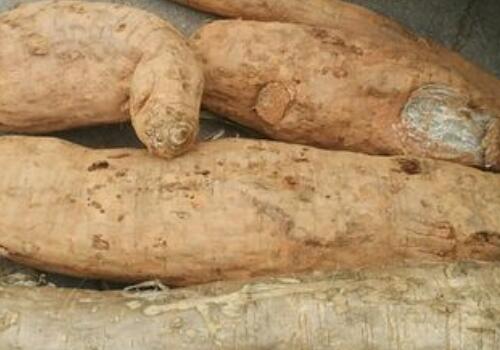
I. Kudzu root seedling raising and cultivation techniques
(1) Seedling raising techniques for kudzu root
1. Seedbed preparation for kudzu root: Choose a mountain plot or garden plot that is sheltered from the wind, faces the sun, has sandy soil, and is free from harm by livestock and poultry as the seedbed. Prepare the seedbed land into ridges 15-20 cm high and 60-100 cm wide, with no limit on length. Apply 1.5-2.5 kg of decomposed stable manure or farmyard manure per sq m. Plow deeply and rake level, with the middle of the seedbed slightly raised, and the ditches on both sides 20-30 cm wide.
2. Seeding operation for kudzu root: Before seeding, the seedbed must be fully moistened. Take the selected vine stems of a superior variety of kudzu, use one branch bud as one seed, cut the bud nodes into small sections 6-10 cm long, and scatter them on the prepared seedbed. To avoid overlapping, cover them with fine soil 2-3 mm thick, in principle so that they are faintly visible, then broadcast some decomposed stable manure, and cover with a layer of rice straw. Use bamboo strips or small bamboo slivers about 2 m long to insert into the seedbed in an arch shape, inserting one every 35 cm. Cover with agricultural film, fully covering the seedbed in an arch shape, and seal and compact the edges all around with soil.
3. Seedbed management for kudzu root: Because the temperature during the seedling period is relatively low, the water consumption of the seed stems is not great. If the ridge surface is dry after about 10 days, water once. After the planted roots sprout branches, the water requirement should be appropriately increased, watering about once every 3 days to keep the seedbed fully moist. The seedbed temperature should preferably be around 20°C. When the temperature reaches above 30°C, the film should be uncovered for ventilation or water sprayed to regulate it, so that the temperature is balanced. When the seed ears sprout branches, uncover the covering rice straw to avoid direct sunlight, and provide appropriate shading at noon on sunny days to prevent scorching. When the seed ears grow young branches, unfold 3 leaves, and reach a length of 5 cm, seedlings can be lifted with soil. The lifting action should be gentle to avoid damage.
(2) Cultivation techniques for kudzu root
1. Site selection and land preparation for kudzu root: To achieve high yield in artificial cultivation of kudzu root, the first step is to select good land. First, land previously used for sweet potato or soybean can be converted for planting. Second, choose sandy loam soil with a relatively thick soil layer and good drainage for planting. Land preparation and ridging begin in mid-February. Before land preparation, apply 500 kg of stable manure, 500 kg of stove ash, and 50 kg of calcium, magnesium, and phosphate fertilizer per mu, or apply 200 kg of compound fertilizer. During land preparation, as with sweet potato ridges, the ridges are 60-70 cm high, and the ridge length is determined by convenience of field operations.
2. Reasonable close planting of kudzu root: From the end of February to mid-March, choose overcast weather without strong wind for transplanting. Before transplanting, the seedbed should be watered thoroughly so that seedlings can be lifted with soil. Plant 500-700 plants per mu, with a plant spacing of about one meter. Before planting seedlings, first place the seedlings on the ridges according to the plant spacing, then dig small holes, put the seedlings into the holes, cover with 2 cm of fine soil, and press the soil firm with both hands.
3. Replanting and fertilizing kudzu root: After the seedlings are transplanted, appropriately use diluted human and livestock manure water to settle the roots, and pay attention to inspection, replanting dead seedlings in time. When the seedlings grow to about 30 cm, they must be stimulated 2 times, and 0.3-0.5% urea water can be sprayed, once every 15 days, after which appropriate topdressing can be applied.
4. Cultivation and weeding: When the kudzu vines grow to 1-2 m, cultivate and weed. Although kudzu root has strong stress resistance, some pests and diseases are still unavoidable. Especially in the key season for tuber growth from June to August, in order to maintain vigorous leaves, carry out pesticide control without toxic residues when necessary or use lime powder for control.
5. Harvesting and seed preservation of kudzu root: Kudzu root can be dug in the same year or in the second year. Generally, the starch content is highest when dug in November to December. When digging, dig the large ones and leave the small ones, so that with one investment you can benefit over the long term. Kudzu root is mainly propagated asexually, and for seed preservation you can also choose thick, pure vine stems of the plant as seed stems for the second year. Generally, any part from 1.5 m above the root crown can be used as seed stems.
II. Effects and functions of kudzu root
1. Kudzu root can, to a certain extent, improve the regeneration capacity of liver cells, restore normal liver function, promote bile secretion, and prevent fat accumulation in the liver.
2. Kudzu root can promote metabolism, strengthen the liver's detoxification function, and prevent alcohol-induced damage to the liver.
3. Kudzu root has a certain effect on coronary arteriosclerosis caused by high blood lipids. By improving the state of myocardial ischemia, it helps prevent and treat cardiovascular diseases such as coronary heart disease, angina pectoris, and myocardial infarction.
4. Kudzu root, for cerebral arteriosclerosis caused by high blood lipids, by improving the state of cerebral ischemia, helps prevent and treat cerebrovascular diseases such as cerebral infarction, hemiplegia, and vascular dementia.
5. Kudzu root strengthens the immune function of liver and gallbladder cells themselves, resisting viral invasion.
6. Kudzu root can strengthen the constitution, resist aging and prolong life, and also has a certain effect on cancer prevention and anti-cancer.
7. Women who regularly take kudzu root powder have a certain beautifying and skin-nourishing effect.
III. Edible methods of kudzu root
Osmanthus kudzu powder soup: 5 g osmanthus sugar, 50 g kudzu root
1. First mix the kudzu powder with an appropriate amount of cool boiled water, then dissolve the kudzu powder with boiling water so that it becomes crystal clear and transparent.
2. Add osmanthus sugar and stir evenly, and it is ready.
Kudzu root powder porridge: 200 g kudzu powder, 300 g millet
1. Soak the millet in clean water overnight, pour it out the next day, and mix it evenly with the kudzu powder.
2. Cook the porridge in the usual way, and after the porridge is done, add seasonings as desired.
Kudzu powder rice: 200 g kudzu powder, 500 g cooked millet rice
1. First wet the rice with boiling water, add the kudzu powder and mix well.
2. Add an appropriate amount of fermented black bean juice, and cook over high heat until done. After cooking, mix in seasonings as appropriate and it is ready to eat.
Hot and sour kudzu root powder slices: kudzu root powder slices, celery leaves, cooked peanuts, garlic, monosodium glutamate, vinegar, salt, vegetable oil, sesame oil, chili powder
1. First boil the kudzu root powder slices soft with boiling water, then blanch the celery leaves in water.
2. Cut the cooked peanuts and garlic into small pieces, add a little sesame oil, vinegar, salt, and monosodium glutamate, and put the garlic pieces, peanuts, and chili powder together.
3. Heat vegetable oil in another pan, pour it over the garlic pieces and chili powder, mix well, and it is ready to eat.