How to propagate common household flowers by cuttings? A detailed guide to ten flower cutting methods
Plants placed at home can both beautify the home and purify the air. However, household plants are not simply bought and left there; when growing flowers, it is best to clearly understand their growth habits. Watering, light and soil are the most important, and in addition, cuttings are also very important. Below are the cutting methods for ten common household flowers.
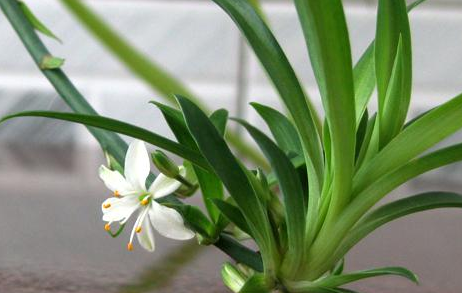
1. Spider Plant
Cutting time: spring, summer, autumn
Cutting temperature: 15-25°C
Spider plant cuttings are very easy and can be done in all four seasons, but mainly in the three seasons of spring, summer and autumn.
1. When taking cuttings, simply cut off the clustered stems and leaves on the spider plant's stolons; this is actually a new young spider plant, with leaves above and usually aerial roots below.
2. Plant it directly into a flower pot, water thoroughly, and place it in a cool place to grow.
Note: when taking cuttings, be careful not to bury them too deep, otherwise the heart is prone to rotting.
2. Ivy
Cutting time: April-May, August-September
Cutting temperature: 15-28°C
Ivy can be propagated by cuttings once it enters the growing season, but in summer it goes dormant during high temperatures, so it is not suitable for cuttings at that time.
1. Cut current-year woody branches and cut them into cuttings about 15-20 cm long.
2. Remove the lower leaves of the cuttings, keeping only the upper 2-3 leaves.
3. Insert the cuttings into a loose, breathable medium, water thoroughly, and place in a cool place.
4. After cutting, be careful to keep the soil moist often; the plant can survive in about three to four weeks.
3. Pothos
Cutting time: April-August
Cutting temperature: 15-28°C
Everyone is probably familiar with pothos cuttings; when taking cuttings, they can be done either in water or in soil. Pothos can be propagated by cuttings all year round, but April-August is the best time.
1. For water propagation cuttings, first leave tap water in the sun for 24 hours, cut 10-20 cm cuttings, remove excess leaves, keep two to three leaves, and place them directly into a water propagation container. The water can be changed once every two to three days, and new roots can grow in about ten days.
2. For soil propagation cuttings, use 15-30 cm as one cutting, remove the leaves on 1-2 nodes, choose loose and breathable sandy loam soil, and be careful not to damage the aerial roots when cutting. Maintain relatively high air humidity, and roots will form in about three to four weeks.
4. Geranium
Geranium geranium cutting time: spring, autumn
Cutting temperature: 13-18°C
Geranium cutting method:
1. When taking cuttings, select terminal cuttings about 10 cm long (vigorous growth, easy to root)
2. Cutting medium: loose and breathable sandy loam soil is best.
3. Freshly cut cuttings can be placed in a cool place to dry for a period, and cuttings should be taken after the wound has healed, so as to prevent wound infection and rot.
4. Keep the cutting temperature at about 13-18 degrees, and roots will form in about two to three weeks.
5. Kalanchoe
Cutting time: spring, autumn
Cutting temperature: 15-20°C
The best time for kalanchoe cuttings is May-June or September-October each year. Cuttings can be taken together with pruning after flowering.
1. Choose robust fleshy stems, cut them into 5-6 cm cuttings, and insert the cuttings into the medium
2. Do not bury the leaves, then water thoroughly, place in a cool place, and in later management pay attention to watering alternately dry and wet, preferring dry over wet, so as to prevent the fleshy branches from rotting.
3. When the weather is dry, a bag can be put on to retain moisture, and the room temperature should be kept at about 15-20 degrees.
4. Roots can form in two to three weeks, and after about one month they can be potted; after that, normal care and management are all that is needed.
6. Moss Rose
Cutting time: spring, summer
Cutting temperature: 15-28°C
Moss rose absolutely belongs to the entry-level flowers, and is easiest to propagate by cuttings during the growing season.
1. When taking cuttings, cut 4 to 5 cm cuttings
2. Bury the cuttings directly into the soil (there are no strict requirements for the cutting medium)
They can survive in one to two weeks, and then buds and flowers will appear; the sense of achievement comes quite quickly.
7. Hydrangea
Cutting time: plum rain season
Cutting temperature: 13-18°C
Hydrangea cuttings are easily done during the plum rain season:
1. Cut terminal young branches, cutting them to about 20 cm.
2. Remove the lower leaves of the cuttings, keeping 2-3 leaves on top.
3. The cutting medium must be loose and breathable, mainly peat and perlite.
4. After cutting, be careful to maintain humidity, and roots can form in about two weeks.
8. Scarlet Sage
Cutting time: July-August
Cutting temperature: 15-28°C
Scarlet sage is generally propagated by sowing, but the cutting method is also suitable.
1. Cut robust branches free of pests and diseases as cuttings, with a length of 7-7 cm, with at least two nodes.
2. Remove all the leaves at the base of the cuttings, keeping only the upper leaves.
3. Insert the cuttings into river sand or vermiculite.
4. Water thoroughly and place under a shade net or in a cool place, always keeping the soil moist. Scarlet sage can form roots in about 15 days, and once rooted it should be potted immediately.
9. Radiator Plant
Cutting time: early spring, late autumn
Cutting temperature: 15-28°C
Radiator plant is a common small indoor green potted plant; not only is its care simple, but its propagation is also especially simple.
1. Cutting medium: materials such as river sand, peat and perlite can be used.
2. During the peak growing season of radiator plant, cut leaves or stems, let them dry, and then insert them into the medium.
3. Water thoroughly, place in a cool place, and wait for roots to form.
10. Verbena
Cutting time: about May-June
Cutting temperature: about 15°C
1. Take woody branches of verbena and cut them into cuttings about 5-6 cm long
2. Insert the cuttings into a wet sand bed or flower pot, and then shade them immediately
3. After cutting, they can be exposed briefly to morning and evening sunlight for 2-3 days to promote rooting
After about two weeks, verbena can take root and sprout, and when the cuttings grow 5-6 true leaves, they can be planted out.