How much does a rose (Chinese rose) cost per plant, and what should you do if the leaves turn yellow?
The Chinese rose, known as the "queen of flowers" and also called “monthly red,” blooms in all four seasons, generally red, or pink, occasionally white and yellow. It can be used as an ornamental plant and also as a medicinal plant. So, how much does it generally cost per plant? And if the leaves turn yellow, how should this be handled?
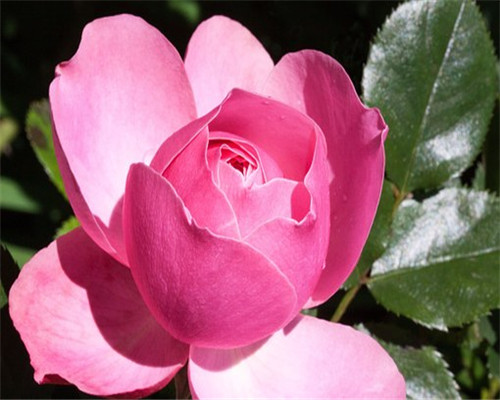
I. How much does a Chinese rose generally cost per plant?
Note: There are many varieties of Chinese rose, with nearly ten thousand in the world, and China also has more than a thousand. Its market price is determined by specifications, variety, sales region, and so on. Generally, the larger the specification and the more unique the variety, the more expensive its market price.
II. If the leaves turn yellow, how should this be handled?
If the leaves of a Chinese rose turn yellow during cultivation, you can consider whether it is caused by the following factors:
1. Overwatering
[Cause] The young leaves of the Chinese rose are dull yellow and lack luster, the old leaves show no obvious change, the branches are thin and yellow-green, and the new shoots shrink and stop growing, indicating overwatering.
[Solution] Take the plant out of the pot, place it in a ventilated and cool place to let the soil ball dry naturally, then put it back into the pot.
2. Insufficient watering
[Cause] The yellowing caused by lack of water in Chinese rose is different from the yellowing caused by too much water. The yellowing from lack of water shows withered and dry leaf tips or edges, old leaves turn yellow and fall from bottom to top, but new leaves grow relatively normally.
[Solution] Just be careful to water thoroughly and sufficiently.
3. Direct strong sunlight
[Cause] Strong direct sunlight on some shade-loving flowers easily causes the leaf tips and leaf edges to wither, and yellow spots appear on the sunny part of the leaves.
[Solution] Just move it to a shady place.
4. Lack of light
[Cause] If the Chinese rose is placed in a shaded environment for a long time, the leaves cannot get enough sunlight and cannot form chlorophyll. The whole plant's leaves turn yellow and then fall off.
[Solution] Just supplement light.
5. Overfertilizing
[Cause] Yellowing of flowers caused by too much fertilizer or too high concentration in Chinese rose shows dry brown tips on new leaves. Generally, the leaf surface is thick and lacks luster, uneven and not smooth, and old leaves scorch yellow and fall off.
[Solution] Stop fertilizing immediately. In severe cases, flush out part of the fertilizer with a large amount of clean water.
6. Insufficient fertilizing
[Cause] Insufficient fertilizing of Chinese rose causes the young leaves to become pale, yellow or light green, while the old leaves remain relatively normal or gradually turn from green to yellow.
[Solution] Check the potting soil. If there is hardening, change the soil. Usually apply light fertilizer frequently and water with some alum water at the appropriate time.
7. Potting soil problems
[Cause] Compacted potting soil leads to poor soil aeration, and the plant roots have difficulty breathing, thus affecting plant growth.
[Solution] Use a bamboo stick to poke more than ten holes in the pot to ensure root aeration.
8. Poor ventilation
[Cause] Chinese rose likes an environment with air circulation. In an environment with insufficient ventilation and stuffy air, the leaves of the Chinese rose can also turn yellow and develop yellow spots.
[Solution] Just place the Chinese rose in an environment with air circulation and good ventilation for cultivation.
9. Virus infection
[Cause] Damage to the root system, branches, and leaves by viruses causes the leaves to be not smooth and to be accompanied by symptoms of yellowing and lack of vitality.
[Solution] Spray with virus-control agents such as Bingduke and Kedulu for prevention and control. Also pay attention to cultivation and management. Healthy plants generally will not be affected.