How much is a jin of cotton seeds? High-yield varieties and planting methods
Cotton is the seed fiber of plants in the mallow family and one of the world's most important crops, with large yields and low production costs. So how much is a jin of its seeds? What high-yield varieties are there? And how do you grow it? It is reported that the seeds of hybrid cotton and conventional cotton have declined year on year. In the Yangtze River basin, hybrid cotton seed prices were 192.96 yuan/kg, down 0.47% year on year; in the Yellow River basin, conventional cotton was 25.97 yuan/kg, down 0.32% year on year; in the northwest inland cotton region, the **Corps' unified seed supply price was 22.40 yuan/kg, up 1.95% year on year. The province with the largest drop in cotton seed prices was Anhui, with hybrid cotton down 2.88% and conventional cotton down 4.76%.
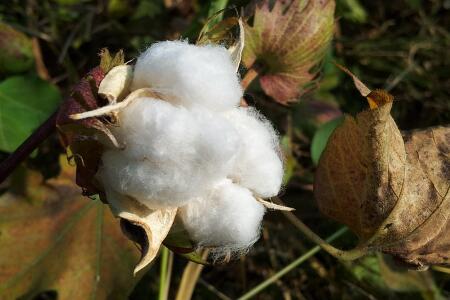
What high-yield cotton seed varieties are there?
1. Short-branch Cotton 28: the full growth period is 119 days for spring sowing and 108 days for summer sowing. It emerges extremely quickly, grows steadily throughout its life, and has a cylindrical plant shape. The leaves are deep green. The first fruiting branch node is at 4.5, with 20-30 bolls per plant, sometimes more than 50. The single boll weight is about 6 grams, and the plant height is 70 cm; under spring sowing with high fertilizer and water, it is about 100 cm. The boll shell is thin, the lint opens freely, and the lint percentage is 40%. The seed index is 10.5 grams, and the pre-frost lint rate is 99%. It is early-maturing without premature senescence. The fruiting branches are about 20 cm long, self-topping at the tip, with no branches. The leaves are medium to small. Boll set is concentrated, bolls form quickly, and distribution is even from top to bottom, with good air and light penetration.
2. Xiangzamian No. 7: in the Yangtze River basin cotton region, the spring-sowing growth period is 123 days. It emerges well, grows vigorously, and has good uniformity. Plant height is 115 cm. The plant shape is compact, the fruiting branches are relatively long and flat-spreading, and the stems are thick and strong with abundant fuzz. The leaves are relatively large and dark green. The first fruiting branch node is at the 6.4th node, with 28 bolls per plant. The bolls are oval, and the lint opens freely. Single boll weight is 6.1 grams, lint percentage is 42.1%, seed index is 9.9 grams, pre-frost lint rate is 94.3%, and the dead boll rate is 7.4%. It is tolerant to Fusarium wilt, tolerant to Verticillium wilt, moderately resistant to cotton bollworm, and resistant to pink bollworm.
3. Zhongmiansuo 63: emerges relatively well. The plant is tower-shaped, medium in height, with compact fruiting branches and few stem hairs. The leaves are medium-sized and relatively dark in color. The bolls are oval, and the lint opens freely. The growth period is 125 days, plant height is 109.50-121.0 cm, with 17.81 fruiting branches, 25.57-29.5 formed bolls per plant, boll weight 5.71-6.6 grams, lint percentage 40.9-41.52%, seed index 9.81-10.3 grams, pre-frost lint rate 88.57-93%, and dead boll rate 4.4-12.24%. It is tolerant to Fusarium wilt, tolerant to Verticillium wilt, highly resistant to cotton bollworm, and highly resistant to pink bollworm.
4. Tongza 411: in the Yangtze River basin cotton region, the spring-sowing growth period is 124 days. It emerges relatively well, grows vigorously, and has good uniformity. Plant height is 114.7 cm. The plant shape is relatively compact, the fruiting branches are relatively long and flat-spreading, and the stems are thick and strong with relatively few hairs. The leaves are medium-sized and dark green. The first fruiting branch node is at the 6.7th node, with 29.5 bolls per plant. The bolls are oval, and the lint opens freely. Single boll weight is 6 grams, lint percentage is 43.2%, seed index is 10.4 grams, pre-frost lint rate is 93.3%, and dead boll rate is 11.8%. It is tolerant to Fusarium wilt, tolerant to Verticillium wilt, and resistant to cotton bollworm.
5. Ezaamian 29: in the Yangtze River basin cotton region, the spring-sowing growth period is 123 days. It emerges well, grows vigorously, and has good uniformity. The plant shape is compact, plant height is 118 cm, the stems are thick and strong with few hairs, the fruiting branches are relatively long and flat-spreading, and the leaves are medium-sized and light green. The first fruiting branch node is at the 6.3rd node, with 26.1 bolls per plant. The bolls are oval, and the lint opens freely. Single boll weight is 6.2 grams, lint percentage is 41.7%, seed index is 10.4 grams, and pre-frost lint rate is 94.8%. It is tolerant to Fusarium wilt, tolerant to Verticillium wilt, highly resistant to cotton bollworm, and highly resistant to pink bollworm.
6. Lumianyan No. 28: in the Yellow River basin cotton region, the full growth period under wheat field intercropping is 138 days. The plant shape is relatively loose, with plant height 90.4 cm. The stems are tough with medium-dense hairs. The leaves are medium-sized and green, and the whole plant has glands, with medium-dense glands. The first fruiting branch node is at the 6.8th node, with 15.7 bolls per plant. The bolls are round with a slightly protruding tip, the boll shell is thin, and the lint opens freely and concentratedly. Single boll weight is 5.8 grams, lint percentage is 41.5%, seed index is 10.8 grams, and pre-frost lint rate is 88.6%. The emergence vigor is average, growth and development are steady throughout the growth period, leaf function is relatively strong in the middle and late stages, and there is no premature senescence. It is highly resistant to Fusarium wilt, tolerant to Verticillium wilt, and resistant to cotton bollworm.
7. Zhongmiansuo 50: in the Yellow River basin cotton region, the full growth period under summer sowing is 110 days. It emerges quickly, with uniform and strong seedlings. Growth vigor is strong in the early and middle stages and weakens in the late stage, with good uniformity. The plant is tower-shaped and compact. It is a variety highly resistant to Fusarium wilt and tolerant to Verticillium wilt, resistant to cotton bollworm, and resistant to pink bollworm.
8. Jimian 169: in the Yellow River basin cotton region, the spring-sowing growth period is 123 days. Emergence is average, early growth vigor is average, middle and late growth vigor is strong, and the lint opens freely. Plant height is 107.0 cm. The plant shape is relatively loose, the stems are thick and strong with abundant hairs, and the leaves are medium-sized and dark green. The bolls are oval, relatively large, with an inconspicuous tip, and the bracts are large. The first fruiting branch node is at the 7.0th node, with 17.5 bolls per plant and single boll weight 6.3 grams. Lint percentage is 39.4%, seed index is 10.3 grams, and pre-frost lint rate is 90.3%. It is tolerant to Fusarium wilt, tolerant to Verticillium wilt, and highly resistant to cotton bollworm.
9. Xinluzao No. 41: the plant shape is cylindrical and relatively compact, and the plant is rather short. The fruiting branches are type II fruiting branches and are held upright. The leaves are relatively small and wrinkled, dark green, with deep leaf lobes. The bolls are long-oval, with a thin shell and a pointed tip, easy to pick, and the lint is snow-white with silk luster. The number of effective bolls per plant is 7.1, single boll weight is 5.56 grams, and lint percentage is 42.0%. It is resistant to Fusarium wilt and tolerant to Verticillium wilt.
10. Zhongmiansuo 49: an early-to-mid-maturing upland cotton variety with a full growth period of 145 days. The plant is tower-shaped, and the stems are soft and flexible with few hairs. The leaves are medium-sized, held upright, with deep leaf lobes, and type II fruiting branches. Plant height is 61.3 cm, the first fruiting branch node is at the 5.5th node, the number of fruiting branches per plant is 10.4, and bolls per plant are 7.1. The bolls are oval, single boll weight is 6.1 grams, seed index is 11.1 grams, sterile seed rate is 6.7%, lint percentage is 41.8%, pre-frost lint rate is 93.7%, and 2.5% span length is 28.8 mm. It is resistant to Fusarium wilt and tolerant to Verticillium wilt.
How do you plant cotton seeds?
1. Sun the seeds. Generally, sun the seeds 15 days before sowing.
2. Soak the seeds. Warm-water seed soaking is a traditional method for treating fuzzy seeds that has been used in our country to this day. Its main role is to promote seed germination and emergence, and especially under conditions of poor soil moisture, it helps achieve full emergence in one sowing.
3. Chemical seed dressing. Chemical seed dressing can kill pathogens carried by the seeds and pathogens in the surrounding soil after sowing, so as to increase the emergence rate and prevent seedling-stage diseases. Used together with insecticide seed dressing, it can also reduce the harm of seedling-stage pests.
4. Sow with sufficient soil moisture. Because cotton seed germination and emergence have strict requirements for moisture, temperature, and oxygen conditions, especially moisture.
5. Sow at the right time. Temperature is an important basis for determining the sowing date. Generally, when the 5 cm soil temperature steadily passes 14°C for 5 days, that is the sowing period for cotton.
6. Sow the right amount. This should be determined according to the sowing method, germination rate, seedling retention density, and soil moisture conditions. For drilling, 10—12 jin of fuzzy seed is needed per mu. For spot sowing or hole sowing, 3—5 fuzzy seeds per hole, with 5—7 jin of seed per mu; for delinted coated seed, 2—3 seeds per hole, with 3—4 jin of seed per mu. The sowing rate must not be too large; otherwise, it not only wastes seed, but after emergence it also easily forms tall, weak seedlings and severe disease occurrence.
7. Suitable sowing depth. Generally, a sowing depth of 3—4 cm is appropriate. Cover with soil promptly after sowing.
8. Drought-resistant sowing. Spring is generally often dry, and cotton fields without conditions for pre-sowing irrigation should use drought-resistant sowing, generally using the “water sowing and soil covering” method. The technical points are: open shallow furrows according to the required row spacing, with a furrow depth of 2.5—3 cm; pour water evenly, with the amount of water sufficient to connect with the subsurface moisture; after the water infiltrates, sow according to the required plant spacing; then cover with soil and form a ridge, with wet soil below and dry soil above, a ridge height of 3—5 cm, and a ridge width of 10—13 cm; when 70% of the cotton seeds have rooted, promptly break the ridge and remove the covering soil, leveling it in one pass.
9. Plastic film mulching. Slow temperature recovery and unstable temperatures in spring are important factors limiting full emergence in one sowing and the promotion of strong seedlings and early development in cotton. Plastic film mulching has the effect of preserving and increasing temperature, and also has the effect of preserving and raising soil moisture, which can ensure full emergence in one sowing and strong seedlings with early development in cotton. According to the order of sowing and covering, film-mulched cotton can be divided into sowing first and then covering, and covering first and then sowing. Generally, sowing first and then covering is used. When covering with plastic film, the film should be in close contact with the ground, and the edges of the film should be pressed vertically into the furrow as much as possible, with a soil entry depth of no less than 5 cm. At the same time, after covering, press soil onto the film, generally pressing a pile of wet soil every 3—5 meters, to prevent strong winds from blowing off the film or the film flapping up and down and damaging the cotton seedlings.