How much is flaxseed per jin? Introduction to its benefits, effects and cultivation methods
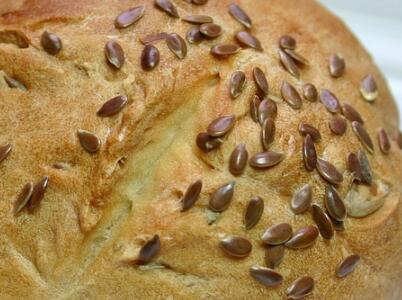
Flaxseed, also known as linseed, is the seed of the annual herbaceous plant flax. It contains nutrients that help prevent heart disease and other chronic diseases. So roughly how much does it cost per jin? What benefits and effects does it have? What are its cultivation methods? It is understood that flaxseed comes in two types, medium brown and yellow, and their prices differ. Because brown flaxseed has a high oil yield, many oil presses choose it, and the price is generally around 10 yuan per jin, while yellow flaxseed is mainly used for baking food and looks very good in color, so its price is 1-2 yuan higher than that of brown flaxseed.
I. Benefits and effects of flaxseed
1. Soft, smooth and radiant skin
It improves the fat content of the skin, making the skin smoother, more moisturized, softer and more elastic. At the same time, it allows the skin to breathe and sweat normally, alleviating various skin problems.
2. Weight loss
It can consume excess body fat, making it a healthy way to lose weight.
3. Increased resistance to stress
Flaxseed can reduce the effects of harmful biochemical substances produced when the body is under stress, stabilize emotions, maintain a calm state of mind, and reduce depression and insomnia.
4. Reduced allergic reactions
Flaxseed helps reduce allergic reactions, but because the whole body needs to be reorganized, completely eliminating allergies requires a long period of time and more comprehensive nutritional support.
5. Reduced asthma
After eating it for a few days, asthma attacks can be noticeably reduced. It improves arthritis. Experiments have shown that flaxseed has a great effect on treating and preventing arthritis. After treatment with omega-3 and omega-6 fatty acids, 60% of rheumatoid arthritis patients were able to completely stop taking non-steroidal anti-inflammatory drugs, while another 20% were able to halve their non-steroidal anti-inflammatory drugs.
6. Improved inflammation of organs and tissues
Flaxseed is very helpful in preventing inflammation of organs and tissues, including meningitis, tendinitis, tonsillitis, gastritis, ileitis, colitis, arteritis, phlebitis, prostatitis, nephritis, splenitis, hepatitis, pancreatitis, otitis, etc., as well as ringworm and sores.
7. Lowered cholesterol
Flaxseed can reduce high cholesterol in the blood by 25% and triglycerides by 65%, converting excess low-density cholesterol into bile acids to be excreted from the body.
8. Reduced heart burden
It can lower high blood pressure, reduce blood lipid levels, and at the same time raise the level of unsaturated fatty acids, improve blood concentration, reduce blood viscosity, maintain blood fluidity, and prevent blood vessel blockage and related diseases. In addition, it can also prevent blood clotting and prevent stroke (cerebral and cardiac artery blockage), heart disease (cardiac artery blockage), pulmonary embolism (pulmonary artery blockage) and superficial vascular conditions (namely boils and sores).
9. Improved water retention
It helps the kidneys excrete sodium and water. Water retention usually appears as ankle swelling, a certain type of overweight, premenstrual syndrome, advanced cancer, cardiovascular disease, etc.
10. Improved kidney function
Flaxseed can regulate prostaglandins, promote secretion by the liver, pancreas and spleen, and make the body's metabolism operate normally.
11. Improved constipation
It improves intestinal function, increases absorption capacity, and increases intestinal peristalsis to make bowel movements normal and reduce constipation.
12. Promoted cell health
It improves the moisture and elasticity of cell membranes, increases cell respiration and nutrient exchange functions, and strengthens the body's cell repair and healing ability, making cells healthy and reducing the chance of cancer.
Promoted brain development
It promotes brain development in children, increases brain neurotransmitters, strengthens brain activity functions, makes the brain operate more effectively, and improves learning and thinking ability.
Full of energy
It balances and improves blood sugar levels in the body, making you more energetic. It can also increase muscle endurance and help tired muscles recover faster after exercise.
II. Cultivation methods of flaxseed
1. Flax is suitable for a mild, cool and humid climate. Fiber flax requires that temperature changes during the growth period are not drastic and that the temperature difference between day and night is small. From emergence to flowering, there should be plenty of rain, evenly distributed, and relatively weak sunlight. From flowering to maturity, there should be less rain and sufficient light, which is beneficial to the vegetative growth of the flax stems and fiber development. Oil flax requires strong light during the growth period, which is beneficial for branching, increasing capsules, promoting early maturity and increasing seed yield.
2. Water
During the rapid growth stage, flax needs sufficient water. A precipitation of 100-150 mm from April to June is appropriate. It requires fertile, well-drained slightly acidic or neutral soil, and alkaline soil with a salt content below 0.2% can also be planted. The climate characteristics of China's main flax production areas are that nine out of ten springs are dry, and most have no irrigation conditions.
Soil quality
It is advisable to choose flat terrain, fertile soil, and slightly acidic black soil or black oil sand soil. The previous crop should preferably be corn, wheat or soybean.
4. Fertilizer
When sowing, chemical fertilizer is used as seed fertilizer. With an appropriate ratio of nitrogen, phosphorus and potassium, flax needs more potassium fertilizer, which can enhance lodging resistance and improve yield and quality. Applying trace elements such as zinc, manganese and copper can improve quality. Spraying boron fertilizer at the flowering stage can increase seed yield and grain weight.
5. Key cultivation points
For flax sowing rate, the sowing depth should be determined according to the fertility status of the plot. In plots with relatively high soil fertility, drilling with a row spacing of 7.5 cm is suitable, with a sowing rate of 100-120 kg per hectare and 15 million-18 million plants retained per hectare. In plots with medium soil fertility, the row spacing is 7.5-15 cm, the sowing rate is 95-100 kg per hectare, and 13.5 million-15 million plants are retained; in plots with lower fertility, drilling with a row spacing of 15 cm is used, with a sowing rate of 90-95 kg per hectare and 12 million-13.5 million plants retained. The depth should preferably be 3-4 cm.
6. Harvest
The suitable harvest period for flax is when 1/3 of the capsules turn yellow-brown, 1/3 of the leaves on the flax stems have fallen off, and 1/3 have turned apricot yellow. The suitable harvest period for seed collection fields is 5-7 days later than that for fiber, that is, when 2/3 of the capsules turn yellow-brown, they should be harvested in time.