How much is peanut sprouts per jin? Reasons the market is small and how to grow them
Peanut sprouts are just like bean sprouts, rich in nutrients and containing various vitamins and trace elements, so many people sprout them at home. However, because peanut sprouts are rarely seen on the market, the price is a bit high, and those who want to eat them can only make them themselves. So how much are peanut sprouts per jin? Why is the market small? How are they grown?
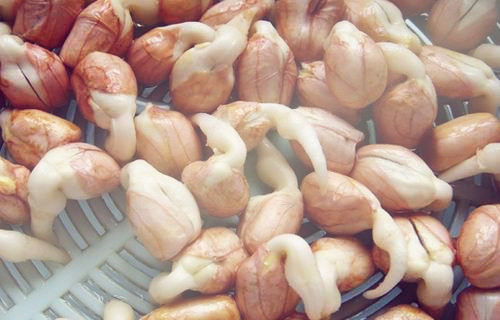
How much are peanut sprouts per jin?
Roughly 8-15 yuan per jin, but due to regional differences, the price varies from place to place.
It is worth noting that although peanut sprouts have high nutritional value, when sprouting is accompanied by mold, they can form the toxic aflatoxin, which can cause cancer, so the market is small and currently very few people sell them.
How to grow peanut sprouts
Seed selection and seed treatment:
First, select whole peanut seeds with the skin intact from the peanut kernels, then place them under an infrared lamp or in sunlight for about 3 hours to awaken the embryos.
Soaking: Use Yifuyuan sprout cultivation bacterial liquid diluted 200-300 times, soak for 1-6 hours in summer and 6-12 hours in winter.
Sprouting: Drain the soaked seeds and place them in a clean basket to sprout, washing the seeds 3-4 times a day. When the sprouts grow to about 1 cm, they are ready to sow.
Sowing: Choose a foam box, lay a layer of newspaper flat inside, then spread a 5 cm thick layer of river sand, and insert the seeds in rows into the sand with the sprout end facing down, spaced about 1 cm apart. After inserting them, spread a 6 cm thick layer of river sand on top (you can directly wet the sand).
Management: After sowing, do not water for three days. On the fourth day, water a small amount, mixing Yifuyuan sprout cultivation bacterial liquid into the water. It is best if the sand forms a clump when grabbed by hand but no water drips down; do not make it too wet, as too wet easily rots the seeds. When the peanut seedlings reach the sixth day, the seedlings emerge from the soil and can be harvested; the seedlings are about 8-10 cm long.
Harvesting: Put the finished peanut sprouts into baskets or packages and they are ready to sell, store or eat. The peanut sprouts made by this method can be eaten boiled or blanched, or stir-fried until cooked. Their production cost is low, yield is high, production efficiency is high, and they have great market potential.
Sowing in seedling trays: Sow the soaked peanut seeds directly into seedling trays, 250 grams per tray, making sure they do not overlap or show white. There is no need to lay newspaper in the seedling trays. Rinse with plenty of water four to five times a day, preferably producing them under lightless conditions. When the seedlings grow to five to six cm, with the seed coat not yet shed and the cotyledons not yet opened, they are ready for market.