How much does a jin of peony seeds cost? Plus flowering period, planting methods and medicinal effects
In China, peony is distributed in Jiangsu, Northeast China, North China, Shaanxi and southern Gansu. It can be used for specialized gardens, cut flowers, flowerbed flowers, etc. Its flowers are large and brightly colored, with excellent ornamental value. It is one of the top ten famous flowers. So, how much does a jin of peony seeds cost? When does it bloom? How is it planted? What effects and functions does it have? According to the flower market, the price of peony seeds is about 30 to 40 yuan per jin, but prices vary greatly depending on seed quality, variety, place of origin and market.
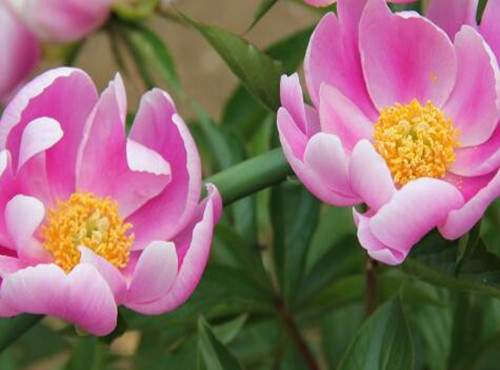
When does peony bloom?
Peony generally blooms from May to June, opening at around 7 a.m. each day. The flowering period of peony is relatively short, generally 8-10 days; in cool weather or in a shaded place, the flowering period can last half a month. After the flowers fade, cut off the flower stalks in time to avoid consuming nutrients. However, it is affected by other factors, and the flowering time is also affected. It is generally affected by factors such as temperature, moisture and rainfall, and light.
How is peony planted?
1. Soil selection: Peony is suitable for loose, well-drained sandy loam soil, and grows poorly in clay and sandy soil. High soil moisture content and poor drainage easily cause root rot. Neutral or slightly acidic soil is preferable; saline-alkali land is not suitable for planting.
2. Cultivation and weeding: After the peony seedlings emerge, cultivate and weed in time, not too deep, so as not to damage the young roots. In summer drought, cultivation should be done to preserve soil moisture. Cultivate and weed 3-4 times each year.
3. Watering management: Peony prefers an open, relatively dry environment and does not need frequent irrigation. Because it has fleshy roots, it is especially intolerant of waterlogging; 6-10 hours of standing water often leads to root rot.
4. Light management: Peony can only grow luxuriantly and produce brightly colored flowers with sufficient light during the growing period, but it can also grow normally under light shade. During the flowering period, temperature can be appropriately lowered and humidity increased to avoid burning from strong sunlight, thereby extending the ornamental period.
5. Temperature management: Peony is a typical temperate plant, preferring warmth and tolerating cold. It can safely pass the summer even when the extreme maximum summer temperature reaches 42.1°C, and it can still grow and bloom normally under conditions where the extreme minimum winter temperature is -46.5°C.
6. Timely topdressing: In the first year, peony should be given little or no topdressing. From the second year on, apply fertilizer 3 times a year: in late March, apply 1000 kg of human and livestock manure water per mu; in mid-April, apply 1500 kg of human and livestock manure water and 15 kg of superphosphate per mu; in mid-October, apply 2500 kg of barnyard manure per mu.
7. Bud removal and pruning: Except when seeds are being kept, peony flower buds are generally removed at the bud stage to promote the growth of the plant and roots. To make peony flowers large and beautiful, side buds should be removed in time after they appear, so that nutrients are concentrated in the main bud to achieve the desired result.
What effects and functions does peony have?
1. Peony can nourish and protect the liver, and at the same time can improve rough skin and facial chloasma problems.
2. Peony root contains paeoniflorin and benzoic acid, and its uses vary by species. Traditional Chinese medicine holds that white peony in Chinese materia medica mainly refers to the root of peony, which has antispasmodic, analgesic and menstruation-promoting effects. It is effective for conditions such as abdominal pain in women, stomach spasms, dizziness, gout and diuresis.
3. The seeds of peony can be pressed for oil for making soap and for mixing with paint as a coating. The roots and leaves are rich in tannins and can be extracted to make tannin extract. They can also be used as a botanical pesticide, capable of killing soybean aphids and preventing wheat stem rust, etc.
What is the flower language of peony?
The flower language of peony is “beautiful and charming” and “reluctant to part, hard to separate”. In ancient times, when men and women interacted, peonies were given to express a pledge of love or the sorrow of parting, so it was also called “jiangli grass”. Today, peony has become the representative flower of Qixi Festival and is the flower of love in China.