Cowpea Seed Price per Jin, Profit per Acre, and Planting Prospects
Cowpea, also known as rice bean, long bean, etc., is a common annual twining herbaceous plant in China. It has the effect of improving the body's antiviral resistance and promoting insulin secretion, so many people like to eat it. So how much does a jin of leguminous cowpea seeds cost? How much can you earn by planting one acre? What are the planting prospects?
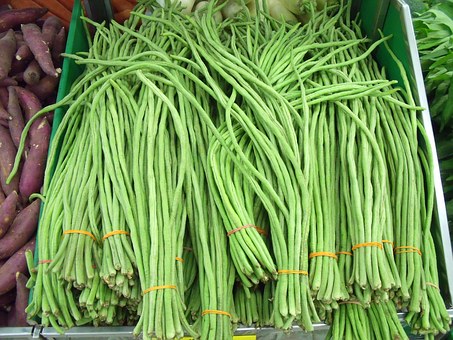
How much does a jin of cowpea seeds cost?
The market price of cowpea seeds is about 50 yuan to 80 yuan per jin. The price of cowpea seeds varies due to regional differences.
Latest cowpea prices in 2018:
How much can you earn by planting one acre?
Fertilizer cost: 300 yuan;
Pesticide cost: 300 yuan;
Seed cost: 300 yuan;
Bamboo cost: 2000 yuan;
Labor cost 3000 yuan;
Total cost: 5900 yuan.
The yield of cowpea planted per acre is related to sowing time, growth period, height of hanging ropes and bamboo poles, density, product quality, cultivation management, etc., and is generally 1000-1500 kg. According to the current market price, the profit of cowpea can be roughly calculated.
What are the planting prospects?
Cowpea originated in India and the Middle East, but was cultivated in China very early. Some also say that cowpea has existed in China since ancient times. Regardless of which statement is correct, there is no doubt that cowpea has been planted in China for a very long time. In the southern United States, cowpea is also widely cultivated as a hay crop, green manure crop, or for its edible pods. It belongs to the cultivated species of cowpea that can form long pods, an annual twining herbaceous plant. Yardlong bean. It contains various vitamins and minerals, etc.
The tender pods of cowpea are thick and fleshy, crisp and tender when stir-fried, and can also be blanched and served cold or pickled. The pods are long and tube-like, crisp in texture but soft in body. There are commonly two types: white cowpea and green cowpea. When selecting cowpea, generally those with uniformly thick pods, bright color, translucent luster, and plump seeds are better, while cowpea with cracks, wrinkled skin, overly thin pods without seeds, or insect marks on the surface should not be purchased. Cowpea has excellent nutritional components and is the meat among vegetables.
When planting cowpea in 2018, you can choose to bring it to market when the cowpea market is strong. Focusing on the quality of cowpea and cold storage and preservation technology is the key means of making a profit.