How much is Polygonatum odoratum per jin? With planting methods and effects, actions and contraindications
Polygonatum odoratum, a name in traditional Chinese medicine. It is the dried rhizome of the lily family plant Polygonatum odoratum (fragrant solomonseal). It is distributed in Heilongjiang, Jilin, Liaoning, Hebei, Shanxi, Inner Mongolia, Gansu, Qinghai, Shandong, Henan, Hubei, Hunan and other places. So, how much is the Chinese medicinal herb Polygonatum odoratum per jin? How is it planted? What effects, actions and contraindications does it have? According to the medicinal herb market, the price of Polygonatum odoratum is 20 to 30 yuan/kg, and prices vary from region to region.
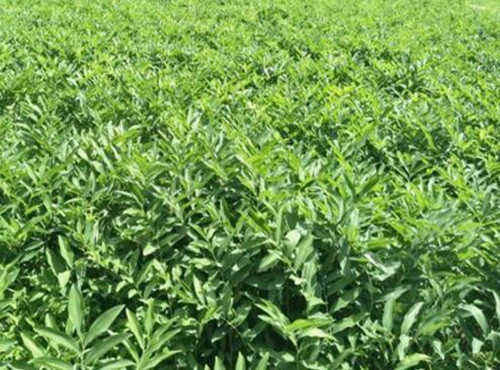
How is Polygonatum odoratum planted?
1. Site selection and land preparation
It is best to choose a slightly acidic sandy loam soil with deep soil layers, good drainage and a sunny aspect. Deep plough more than 30 cm, and at the same time apply 3000-4000 kg of farmyard manure per mu as base fertilizer, work the soil fine and rake it level, and make raised beds 1.3 cm wide.
2. Selection of seed rhizomes
Propagation is by underground rhizomes. At harvest in autumn, select the plump, yellow-white root buds grown in the current year and keep them for use as seed. Dig, select and plant as you go. If the weather changes and planting cannot be done, the root buds must be spread out in a sheltered, cool indoor place. Generally, 200-300 kg of seed rhizomes are used per mu.
3. Seed germination
Before germination treatment, first soak the Polygonatum odoratum seeds in cold water for 24 hours, take them out and drain off the water, then thoroughly mix the seeds with moist sand at a 1:3 volume ratio and put them into a wooden box. Before boxing, first spread 3-5 cm of moist sand on the bottom of the box, and after boxing, spread 5 cm of moist sand over the seed layer. The moisture content of the moist sand is about 15%. Place it at 25°C, check the temperature and humidity changes in the box every 2-3 days, and turn the seeds once every 5-7 days, adjusting the sand moisture as you turn them. To make the upper and lower layers evenly moist, take samples every 10 days and cut them open with a knife to check the growth and development of the seed embryo. Once the seed embryo is found to fill the seed, place it at a low temperature of 0-5°C for 30 days, turning the seeds once every 10 days. After the full 30 days, take them out and sow them in the field.
4. Planting method
Generally from early October to late October, choose a cloudy or sunny day for planting. When planting, open furrows 15 cm deep on the bed at a row spacing of 30 cm, then lay the seed rhizomes flat in the furrows at a plant spacing of about 15 cm, immediately cover with decomposed manure, then cover with a layer of fine soil until level with the bed surface.
What effects, actions and contraindications does Polygonatum odoratum have?
Effects and actions of Polygonatum odoratum
Every 100 grams of fresh Polygonatum odoratum contains 1.5 grams of protein, 3.6 grams of crude fiber, 0.3 grams of nicotinic acid, and also contains mucilage, carbohydrates, vitamins and so on.
Polygonatum odoratum is sweet and neutral in nature and flavor. It treats damage to yin from febrile disease, cough with irritability and thirst, consumptive fever, rapid digestion with easy hunger, frequent urination and so on. It has the effects of nourishing yin and moistening dryness, strengthening the heart, regulating blood pressure and regulating blood sugar, and mainly treats dry mouth and throat, dry thirst with little phlegm, rheumatic cough, yin damage from febrile disease, waist and knee pain and diabetes and so on.
Dietary contraindications of Polygonatum odoratum
The young seedlings of Polygonatum odoratum can be eaten: blanch them in boiling water, then stir-fry or make soup. If eating the rhizome, it can be dug from March to May or September to October, the fibrous roots removed, washed clean, blanched in water and served cold, stir-fried with shredded meat or eggs, boiled with pork ribs and so on, or stewed or steamed with pork. However, the fruit of Polygonatum odoratum is poisonous and must not be eaten; those with phlegm-dampness and qi stagnation in the stomach should avoid eating it.