How much does a jin of basil seeds cost? Introduction to planting methods and benefits and effects
Basil is an aromatic plant used both as medicine and food, with a taste similar to fennel. The whole plant is compact, with emerald green leaves and brightly colored flowers, full of fragrance. It is native to tropical Asia and is very sensitive to cold, growing best in hot and dry environments. So, how much does a jin of basil seeds cost? How do you plant it? What benefits and effects does it have? According to reports, the price of basil seeds is around ten yuan per jin, though prices vary from region to region.
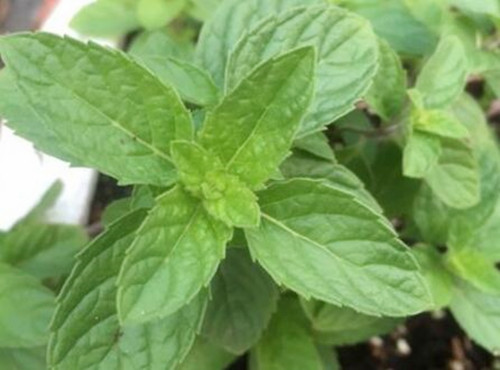
How do you plant basil?
1. Site selection and fertilization: Basil is a deep-rooted plant, with roots that can penetrate 50-100 cm into the soil, so it is best to choose well-drained, fertile and loose sandy loam. Apply sufficient base fertilizer before planting, level and rake the soil fine, and make flat or raised beds about 130 cm wide. Because the frost-free period in our country is relatively short, for open-field cultivation, seeds must be raised in a greenhouse or plastic tunnel if seeds are to be harvested. If only the tender stems and leaves are to be eaten, seedlings can be raised or direct sowing can be done; the seedling-raising period is generally sown in mid-to-late April.
2. Sowing and seedling raising: Put the basil seeds into a gauze bag, shake off the water vigorously, cover with a wet towel or gauze, keep warm and moist, and place at a temperature of about 25°C for germination. During germination, rinse once a day with clean water and drain thoroughly. If the seed quantity is large, turn them 1-2 times a day to keep the temperature even and the sprouts uniform. In the early stage of germination, the temperature can be slightly higher to promote sprouting; when the sprouts are about to emerge (when the seeds are about to split open), the temperature should be lowered by 3-5°C to make the sprouts sturdy and uniform. After the sprouts have all emerged, if special weather occurs, the sprouts can be moved to a place at 5-10°C to control their growth and wait for sowing.
3. Cultivation and topdressing: When basil seedlings are 6-10 cm tall, thin and fill in the seedlings. For hole sowing, keep 2-3 plants per hole; for drill sowing, keep 1 plant about every 10 cm. Generally cultivate and weed twice. The first time is 10-20 days after emergence, shallowly hoeing the surface soil. The second time is from early May to early June, before the seedlings close the rows. After each cultivation, apply human and livestock manure water. Seedlings are afraid of drought, so water them promptly.
4. Harvest time: Basil stems and leaves are harvested in July-August. Cut the whole plant, remove the fine roots and impurities, and sun-dry it. When the plants are 20 cm tall and the rows have closed, carry out the harvest, choosing the tender front ends of branches that have not bolted, 5-10 cm long, harvesting once every 7-15 days. For extracting essential oil, harvest when the flower spikes have fully emerged.
5. Harvesting and processing: When harvesting basil, cut the plant part 20-25 cm above the ground with a sickle, avoiding shaking the root system so as not to affect its ability to regrow. Then strengthen fertilizer and water management to encourage it to sprout new stems and leaves again. After harvesting, processing should be carried out as soon as possible to avoid the wounds and leaves turning brown and yellow, which would affect the quality of the essential oil.
What benefits and effects does basil have?
1. Basil essential oil is extracted from the leaves and flower heads and is a colorless essential oil. It has a cool scent and a strong stimulating effect on the nervous system. When used during fatigue, it immediately refreshes the mind, and it is effective for poor concentration, long-term mental distraction, listlessness, and confusion; it helps increase memory. It is very sweet and slightly pungent.
2. It has a moisturizing effect on dry, dehydrated, aging, rough, and wrinkled skin, and can also be used for dark circles and eye bags caused by frequent overtime work and long periods facing a computer. It firms the skin and balances oil secretion. However, in excess it can make the skin overly tight or irritate the skin.