How much does a miracle fruit sapling cost per plant? How many years until it blooms and bears fruit, and how do you grow it?
Miracle fruit is a plant in the genus Synsepalum of the family Sapotaceae, a typical tropical evergreen shrub, native to the regions of West Africa, Ghana and Congo. The flesh of the miracle fruit is sour and astringent, but it contains miraculin; within two hours of eating a miracle fruit, if you then eat other acidic fruits, you will find that these sour fruits no longer taste sour but instead taste sweet, hence the name miracle fruit. So, how much does a miracle fruit sapling cost per plant? How many years of growing until it blooms and bears fruit? How do you prepare it to taste good?
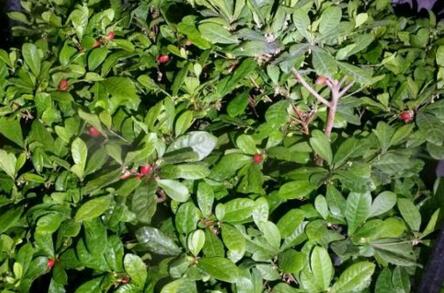
I. How much does a miracle fruit sapling cost per plant?
The price of miracle fruit saplings is determined by diameter and tree age, with prices ranging from a few dozen to several hundred. The price of miracle fruit is closely related to that year's quality and the market supply and demand relationship; the usual market price is around 25 to 40 yuan per jin, and in years with a poor harvest it may soar, and if the quality is better than other miracle fruits it should sell for a price of 50 yuan or more.
II. How many years does miracle fruit take to bloom and bear fruit?
Miracle fruit grows slowly; generally it only blooms and bears fruit 3 to 4 years after planting, and with vegetative propagation it can bear fruit 1 to 2 years earlier, and the tree can be dwarfed to increase its ornamental value. The flesh is sour and astringent, containing rich and unique glycoproteins, vitamin C, KI, citric acid, succinic acid, oxalic acid and so on; it can make sour bread become sweet and tasty, and make sour palm wine and beer become sweet. After eating sour, spicy, bitter or salty foods, chewing a few miracle fruits will immediately turn the taste sweet.
The fruit ripening period of miracle fruit is not uniform; the peak fruiting periods are usually March, June and October. The fruit is small and oval, and when ripe the fruit is bright red with white, juicy flesh; it is pollinated by ants and other insects. Miracle fruit was introduced to China in the 1960s, and it is now cultivated as a garden ornamental plant in many regions. It produces small white flowers in September each year, bears fruit in October, and in November the fruit turns from green to red and ripens.
III. How do you prepare miracle fruit to taste good?
1. Popsicles: Mash ripe miracle fruit and mix it into lemonade, then freeze it into blocks; the fresh, natural miracle fruit popsicles will bring a different kind of coolness and clarity to your summer.
2. Soup: A little miracle fruit can be added when making soup; the flavor is unique, making an originally plain taste instantly burst out with a different character. Try it in your soup pot right away.
3. Tea: When we drink tea, we no longer have to keep choosing only those few combinations; in a cup of tea, no matter what is brewed, the sweet, good taste of one miracle fruit will add much to your cup of tea.
4. Juice: Freshly squeezed juice often lacks the mellow richness of concentrated juice, and the taste always seems to fall a little short; no matter, adding miracle fruit to the juice mixture will always gradually bring back that missing feeling.
★Nutritional value of miracle fruit:
The flesh of the miracle fruit contains rich and unique glycoproteins, vitamin C, KI, citric acid, succinic acid, oxalic acid and so on; the seeds contain natural sterols and so on; and the leaves contain trace mineral elements such as sodium, potassium, calcium and magnesium. The flesh, seeds and leaves can all provide the human body with sufficient nutrients, and being rich in mineral elements is also a major characteristic of miracle fruit. The leaves are a purely natural plant MSG, suitable for any stewed soup, hot pot or noodle soup base; they can be used to make braised foods of various flavors and can also be used to brew tea.