Detailed Explanation of the Price, Cultivation Methods, and Medicinal Effects of Hedyotis diffusa
Hedyotis diffusa is produced in China in Fujian, Guangdong, Hong Kong, China, Guangxi, Hainan, Anhui, Yunnan and other provinces and regions; abroad it is distributed in tropical Asia, as far west as Nepal, and is also produced in Japan. It has relatively high medicinal value. So, how much is Hedyotis diffusa per jin? How is it cultivated? What medicinal effects and functions does it have? It is understood that the price of Hedyotis diffusa is 12 yuan/jin, and prices in different regions will vary due to different varieties and market conditions.
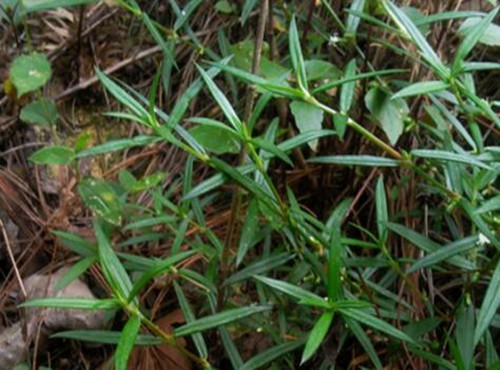
How is Hedyotis diffusa cultivated?
1. Site selection and land preparation
For cultivated Hedyotis diffusa, loamy soil with relatively low terrain, sufficient sunlight, convenient irrigation and drainage, and loose fertility should be selected. Apply 500 kg of various fully decomposed farmyard manure or 100 kg of compound fertilizer per mu as base fertilizer, evenly spread the base fertilizer into the soil, perform shallow ploughing and fine harrowing, open furrows and make beds. The bed width is 1 m, the bed furrow depth is 30 cm, and the bed surface is turtle-back shaped to facilitate irrigation and drainage.
2. Propagation method: seed propagation
(1) Sowing and harvest time. The sowing and harvest time of Hedyotis diffusa can be divided into spring sowing and autumn sowing. Spring sowing is for commercial products, while autumn sowing compiled by Medical Education Network can be used both as commercial products and for seeds. In the rice-growing areas of Jiangnan, spring sowing is best in early May, and harvest is in mid-to-late August. It can be sown in autumn in the same place, or cultivated by leaving roots to sprout. Autumn sowing is carried out in mid-to-late August, and harvest can be done in mid-to-late November after the fruits mature.
(2) Pre-sowing treatment of seeds. Because Hedyotis diffusa seeds are very small and contained in the fruit, in order to improve the seedling emergence rate, compiled by Medical Education Network, seed treatment should be carried out before sowing. The specific method is: place the fruits of Hedyotis diffusa on a cement floor, gently rub them with a wooden stick wrapped in rubber or cloth, remove the fruit skin and the waxy substance outside the seeds, then mix the tiny seeds with several times their volume of fine soil to facilitate uniform sowing.
(3) Sowing method. Hedyotis diffusa is generally sown in two ways: drilling and broadcasting. The row spacing for drilling is 30 cm; for broadcasting, evenly sow the seeds mixed with fine soil on the bed surface, press slightly or pat lightly with a bamboo broom, and after sowing cover thinly with a layer of wheat straw. Keep it shaded during the day and uncover it at night until seedlings grow 4 leaves. Alternatively, after sowing, cover the bed surface thinly with pig pen manure while leaving some space, which both shades and loosens the soil, conducive to seedling emergence. Spray water once in the morning and evening to keep the bed surface moist, but not waterlogged. For autumn sowing, the bed surface should be covered with wheat straw to prevent exposure to strong sunlight from affecting seedling emergence. When the seedlings have 4 leaves, remove the covering wheat straw. In autumn, if propagating by leaving roots, shading is not needed, and the furrows should be filled with water, with the bed surface kept moist but not waterlogged as the ideal. The seeding rate is about 1 kg per mu.
What medicinal effects and functions does Hedyotis diffusa have?
Clears heat and detoxifies, activates blood and promotes urination. Used for tonsillitis, pharyngitis, urinary tract infection, pelvic inflammatory disease, appendicitis, hepatitis, bacillary dysentery, venomous snake bites, and tumors. It can also be used for digestive tract cancer. Modern pharmacological research has proven that Hedyotis diffusa can enhance the body's immunity, inhibit the growth of tumor cells, and has inhibitory effects on pathogenic bacteria such as Pseudomonas aeruginosa, Staphylococcus aureus, pneumococcus, and dysentery bacillus. It is truly a good medicine for “clearing heat and detoxifying.”