How many years does it take for Syringa villosa of the Oleaceae family to bloom? Detailed explanation of planting methods and uses
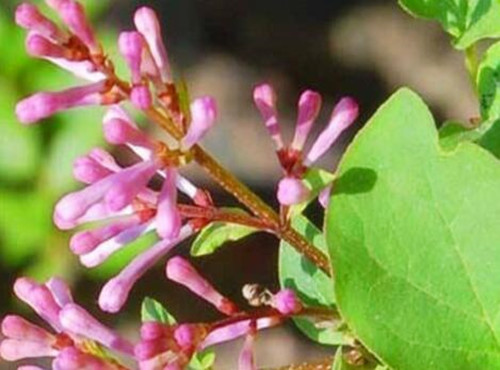
Syringa villosa, a shrub, up to 4 m tall. Flowering period May-June, fruiting period September. Produced in Hebei and Shanxi. Grows on hillside scrub or beside ditches and rivers, at an altitude of 1200-2200 m. It has relatively high medicinal value and ornamental value. So, how many years does it take for Syringa villosa to bloom? How is it planted? What uses does it have?
How many years does it take for Syringa villosa to bloom?
Syringa villosa generally blooms after 1-2 years of planting. Syringa villosa has strong adaptability, and seedlings grown from seed can bloom; generally, after cutting or grafting, it can bloom in 1-2 years, and enters its vigorous growth period in 3-4 years.
How is Syringa villosa planted?
1. Watering
After planting, water thoroughly, then water once every 10 days, and after each watering loosen the soil to preserve moisture. Irrigation can vary by region. In North China, April-June is the season when lilacs grow vigorously and bloom, so water thoroughly 2-3 times each month. After July, when the rainy season begins, attention should be paid to drainage and waterlogging prevention. By mid-November, before winter arrives, water thoroughly.
2. Pruning
When planting large 3-4-year-old saplings, the aboveground branches should be heavily pruned, generally cutting the trunk at 30 cm above the ground, and the following year they can produce abundant flowers. Pruning is generally carried out in spring before bud break, mainly removing thin and weak branches and excessively dense branches, while reasonably retaining good renewal branches. After flowering, remove the remaining flower spikes.
3. Fertilizing
Generally, no fertilizer or only a small amount of fertilizer is applied. Excessive fertilizing must be avoided, otherwise it will cause excessive vegetative growth, thus affecting flower bud formation and, on the contrary, reducing flowering. However, after flowering, some phosphorus, potassium, and nitrogen fertilizer should be applied.
What uses does Syringa villosa have?
Syringa villosa grows vigorously, with dense branches, and its terminal large panicles are brilliantly beautiful, with beautiful and fragrant flowers. It has extremely strong resistance to pests and diseases, and a relatively strong ability to absorb air pollution, dust, and toxic gases such as hydrogen fluoride and sulfur dioxide. Therefore, it can be used as a street tree and a greening and beautifying tree species in cities and towns in northwest China; planting it in courtyards or in groups on lawns gives even better results. Eugenol can be extracted from lilac flowers, which can reduce inflammation and treat illness, mainly treating dental diseases, and preserving and relieving pain. Moreover, the abundant eugenol has an excitatory effect on the central nervous system of the human cerebral cortex, helps regulate mood, refresh the mind and nourish the character, and promote health, making it an excellent raw material for health care. In addition, the chemical substances contained in eugenol have a sterilizing ability more than 5 times higher than that of carbolic acid, and also have a certain inhibitory effect on pneumococcus, influenza bacteria, and others. At the same time, the roots and stems of lilac are used as medicine, called “chenxiang” in Tibetan medicine. It can clear the heart and relieve heat, treat headaches, forgetfulness, and insomnia, and can also relieve cough and resolve phlegm, regulate qi and calm panting, mainly treating chronic bronchitis.