How Long Do Catnip Seeds Take to Germinate? Detailed Guide to Planting Methods and Effects on Cats
Catnip, also known as: camphor grass, cool mint, bamao, small mint, mint, large fennel, soil catnip, small catnip, fragrant thoroughwort, etc. It is cultivated in China**, Gansu, Shaanxi, Shanxi, Henan and Shandong. So, how long do catnip seeds take to germinate? How do you plant it? What effect does it have on cats?
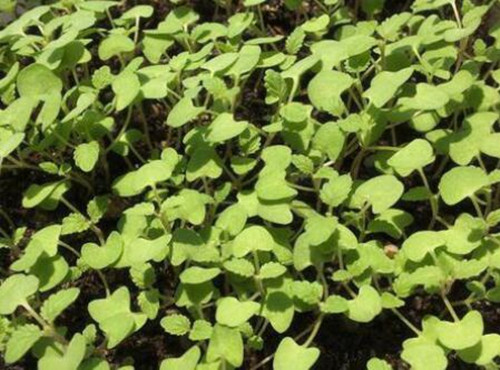
How long do catnip seeds take to germinate?
Catnip can be sown directly from seed, with 1-3 seeds per hole. After sowing, the seeds can be covered with vermiculite. If the temperature is between 18-22 degrees, they can sprout in 10-14 days. After sowing, avoid direct sunlight and place them in a shaded spot.
How do you plant catnip?
Full sun, good ventilation, and well-drained sandy loam or deep loam soil are best.
Sowing method: 1-3 seeds per hole, and they can be sown directly in the open field. After sowing, cover the seeds lightly with vermiculite, and they will sprout in 10-14 days at 18-22 degrees. After sowing, provide appropriate shade and avoid direct sunlight.
Transplanting time
After 4-6 weeks of sprouting, transplant one seedling into a 9-10 cm small pot for temporary planting, or transplant 1-3 seedlings into an 11-15 cm pot for final planting. After that, repot appropriately according to growth; a suitable pot size will benefit root growth.
Soil conditions
Moderate fertilizer requirement. Plant in well-drained soil, mixing 2 kg of slow-release fertilizer per cubic meter. Apply one to two light liquid feedings per week.
Planting tips
After transplanting, apply a fungicide once to prevent fungal infection of the roots. The roots are relatively sensitive to water, so prevent waterlogging. Let the potting soil dry out completely between waterings.
Note: cat grass does not have strict requirements for climate, soil and other environmental conditions, and can be planted throughout northern and southern China. It likes a warm, humid climate. Seedlings can tolerate low temperatures around 0°C, but below -2°C frost damage will occur. It dislikes drought and waterlogging, and dislikes continuous cropping. The suitable temperature for seed germination is 15-20°C. Seed viability is 1 year.
What effect does catnip have on cats?
About 50% of cats are very interested in the smell of the leaves of this grass and like to grab and bite them, but this does not mean cats must eat catnip to stay healthy. In fact, catnip is a plant that causes hallucinations. After eating it, some cats show temporary (5-15 minutes) behavioral changes, such as sneezing, chewing, rubbing, rolling, meowing, and chattering. Some cats chase imaginary mice after eating catnip, while others sit blankly staring into space. These behaviors do not cause any harm, and catnip is not addictive. In short, catnip has no substantial benefit or harm to cats' health. There are examples showing that catnip also affects tigers, jaguars, cheetahs and lynxes. But its effect on lions seems limited.