Detailed Guide to Changchun Clivia Seed Prices Per Jin and Germination and Planting Methods
Clivia, also known as large-flowered clivia, large-leaf stone garlic, sword-leaf stone garlic, and Damulan, is the city flower of Changchun. Its flowering period lasts as long as 30-50 days, mainly in winter and spring, and it also blooms around New Year's Day to the Spring Festival. So roughly how much does a jin of its seeds cost? How do you germinate them? How do you plant them? What methods are there? According to Manager Wang of the Suqian nursery base, clivia seeds cost around 180 yuan/jin. The sowing rate per mu is about 6--7 jin.
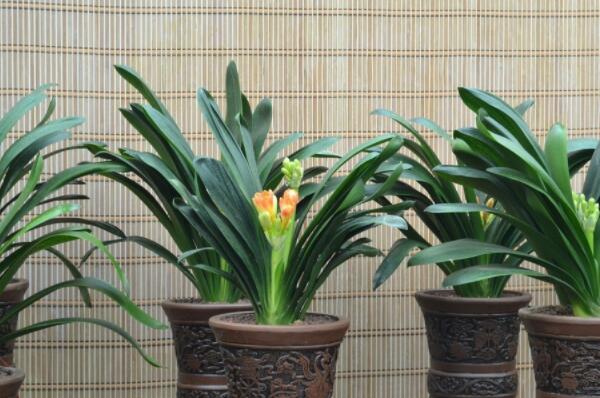
How do you germinate clivia seeds?
Clivia seed maturation takes about 260 days from pollination. The fruit changes from green to reddish brown or bright red. Gently pinching it by hand gives a firm feeling and a crackling sound, which is the sign that the fruit is fully mature. It is still best to sow clivia seeds promptly; at this time the seeds sprout quickly. If for objective reasons they cannot be sown immediately, wrap the seeds well in clean gauze and place them in a ventilated, shady spot. The temperature had best not exceed 15°C; this way they can be kept for 1 month. If stored too long, seed quality will be affected and the germination rate will decrease.
Stratification is recommended: prepare plenty of sand, mix the seeds with the sand, add some water, and keep the sand moist. When spring comes, take the seeds out and sow them, and they will germinate.
How do you plant clivia seeds? What methods are there?
1. Sowing techniques. Because the seeds contain more moisture, they must be sown quickly after harvest; otherwise the germination rate will be low, or they may even lose viability. Choose a clay pot or wooden box with good drainage and air permeability as the container, disinfect it with potassium permanganate solution, and set it aside for use. For clivia sowing, the two relatively simple and feasible methods are river sand sowing and sawdust sowing. For river sand sowing, take relatively fine river sand, rinse it with clean water and scald it with boiling water for disinfection, then put it in the container and scrape it level. Space the seeds at about 2 cm intervals, place the seeds on the sand surface with the bud eye facing down, and cover with a thin layer of sand. Sawdust sowing: use moderately coarse and fine mixed sawdust, disinfect it by frying in a pot or with steam, then put it into the container to a thickness of 7 cm to 10 cm. With the bud eye facing down and the same spacing as before, cover with sawdust to cover the seeds. Water thoroughly, then cover the container opening with plastic film or glass.
2. Moisture retention and heat preservation. After clivia seeds are sown, there must be suitable humidity and temperature environmental conditions. River sand has strong water permeability and poor water retention. If the pot surface is found to be insufficiently moist, water or spray immediately so that the moisture content remains at about 40%. Sawdust has strong water permeability and water absorption, so water or spray once daily; keep the sawdust in a moist state. The suitable temperature for clivia seed germination is between 20°C and 25°C. However, river sand temperature is low and sawdust temperature is high, so the temperature can be adjusted according to the sowing substrate and season. If temperature and humidity are handled well, river sand sowing can produce cotyledons in 30-40 days, while sawdust sowing emerges somewhat earlier.
3. Transplanting and final planting. When the seedlings grow one leaf, the seedlings can be removed from the sowing container and transplanted. Generally use flower pots with a 10 cm diameter, use loose, well-drained fine culture soil, and plant 3 plants per pot. Before planting, first dig 3 holes slightly larger and deeper than the seedlings. After lifting out the seedlings, hold the plant with one hand and insert the root system into the hole, while filling it firmly with fine soil with the other hand, then water thoroughly and place in a shaded place for care for a few days. Afterward, gradually increase the time of light exposure. Apply liquid fertilizer at a concentration of 1 to 20 about once every half month. As the plant continues to grow, the fertilizer concentration should be increased accordingly. When the small seedlings grow to 3 or 4 leaves, plant them in their final position. Still use pots with a 10 cm diameter, planting only one plant per pot, and manage them according to the water and fertilizer management method for small seedlings.