Herbaceous Plant Notopterygium Seed Price per Jin, Efficacy and Effects, and Sowing Time
Notopterygium (Notopterygium incisum), a perennial herbaceous plant of the Apiaceae family and the genus Notopterygium, is distributed in Shaanxi, Sichuan, Gansu, Qinghai and Tibet in China. So, what is the market price per jin of notopterygium seeds? What efficacy and effects does it have? When should it be sown? What are the cultivation techniques?
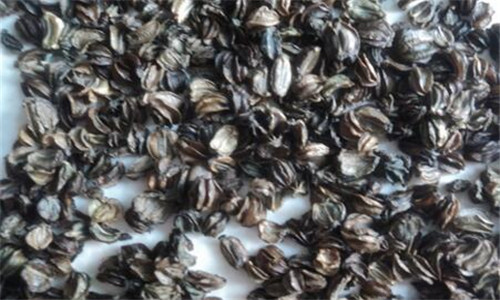
I. What is the market price per jin of notopterygium seeds?
The price of notopterygium seeds is about 50-70 yuan per jin, but prices vary greatly depending on seed quality, variety, place of origin and the market. Notopterygium prefers a cool and humid climate, is cold-tolerant and slightly shade-tolerant, and is suitable for cultivation in deep, loose, well-drained sandy loam rich in humus; it should not be planted in low-lying wet areas. In production, it can be propagated by seed or by rhizome.
II. What efficacy and effects does notopterygium have?
1. Antipyretic effect: Intragastric administration or intraperitoneal injection of notopterygium volatile oil can significantly lower the body temperature of fever-induced rats, showing a marked antipyretic effect.
2. Analgesic effect: After mice were given notopterygium volatile oil for 3 consecutive days and then injected intraperitoneally with a 0.5% acetic acid solution, the volatile oil markedly reduced the number of writhing movements in mice, showing a significant analgesic effect.
3. Effect on the cardiovascular system: The water-soluble fraction of notopterygium has a clear counteracting effect on arrhythmia, can significantly shorten the duration of arrhythmia, and delays the onset of aconitine-induced arrhythmia in mice. This effect tends to strengthen as the dose increases, but when the dose is increased to 12 g/kg, the effect instead declines somewhat.
4. Anti-shock effect: Using 0.5 ml of a 50% notopterygium decoction given intragastrically to mice 12 times in succession showed an obvious anti-shock effect, but a single large dose (100% concentration, 1 ml) was ineffective, meaning that a single large dose cannot enhance the anti-shock effect in animals.
5. Antibacterial effect: When notopterygium injection is diluted to contain 0.008 ml of notopterygium oil per ml and 0.004 ml of notopterygium oil per ml, it has obvious inhibitory effects on Shigella dysenteriae, Escherichia coli, Salmonella typhi, Pseudomonas aeruginosa and Staphylococcus aureus.
III. When should notopterygium be sown?
Notopterygium seeds, like ginseng seeds, undergo post-embryonic ripening. Newly harvested seeds are air-dried and stored dry in a low-temperature place or refrigerator until May-June of the following year, then taken out for moist sand storage, kept in a pit in a cool outdoor place until early spring of the next year in March, and then taken out for sowing.
IV. What are the cultivation techniques?
1. Land preparation and fertilization: For notopterygium cultivation, choose a field with high terrain and good drainage and carry out intensive tillage. Apply 3000 kg of farmyard manure, 20 kg of urea and 50 kg of phosphorus-potassium fertilizer per mu, then wait to sow or transplant rhizomes.
2. Cultivation and weeding: After the notopterygium seedlings emerge fully, attention should be paid to cultivation and weeding. Water in dry weather to preserve soil moisture, and drain promptly in rainy weather.
3. Reasonable fertilization: Apply a topdressing to notopterygium once around the Beginning of Autumn, with 10 kg of urea and 10 kg of potassium dihydrogen phosphate per mu. After cleaning the field in winter, spread a layer of farmyard manure.
4. Removing flowers and buds: After notopterygium buds appear, the flower buds should be removed except from plants kept for seed, to prevent nutrient consumption.
5. Pest and disease control: Notopterygium has relatively few diseases; if found, control them by conventional methods. The main pest is the yellow swallowtail butterfly larva, which bites and eats the leaves; use pyrethroid pesticides to kill it during control, and use phoxim to kill underground pests.
6. Harvesting and processing: Notopterygium is generally harvested in autumn 2-3 years after sowing, after the aboveground stems and leaves wither. Remove the reed head and soil from the dug-out underground rhizomes, and sun-dry or oven-dry them before selling as medicine. The yield is about 300 kg per mu.