A Detailed Guide to High-Yield Cucumber Cultivation Techniques, Container Growing Methods and Nutritional Value
Cucumber is one of the main summer vegetables in all parts of China. It is widely cultivated throughout China, and many regions grow it in greenhouses or plastic tunnels; it is now widely grown in temperate and tropical regions. So, how do you grow cucumbers for high yields? How do you grow them in containers? What nutritional value do they have?
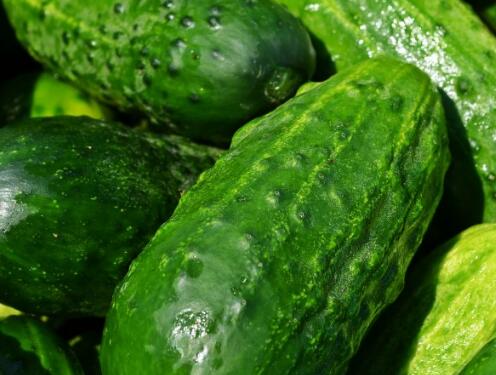
How to grow cucumbers for high yields?
1. Broadcast wood ash: Starting from the seedling stage, scatter wood ash on the roots or leaves of the cucumbers, about once every 10 days, for a total of 4 to 5 times; this not only prevents pests and diseases but also increases yield.
2. Smoking to increase female flowers: When the cucumber seedlings have 2 to 4 true leaves, fill the greenhouse with light smoke; this can increase female flowers by 15% and boost cucumber yield by about 10%.
3. Artificial removal of male flowers: When the male flowers of the cucumber have just formed, keep 5% to 10% of the male flowers, remove the rest, and pick once every 5 days.
4. Multiple vines bearing fruit: Make full use of the side vines to set fruit; pinch off the growing tips of weak side vines after they set fruit, and train and use vigorous side vines to increase the number of fruiting vines and raise the yield.
5. Supplementing gas fertilizer: Place dry ice or several buckets of manure in the greenhouse to increase the carbon dioxide concentration through fermentation; cucumber yield can increase by 30%.
6. Foliar feeding: At the 7-leaf stage, spray 0.2% borax + Zhuangguadiling to thicken the fruit stalk, strengthen the targeted delivery of nutrients, and promote rapid fruit development, so that no flowers or fruits drop during the growing period and the fruit-setting rate improves; when a large number of fruits have set, spray 0.3% monopotassium phosphate solution, which can increase cucumber yield by about 20%.
How to grow cucumbers in containers?
1. Soil selection
Choose a slightly clayey sandy loam or horticultural soil with a pH between 6.0-7.5, rich in organic matter, with good drainage and irrigation, and good water and fertilizer retention.
2. Sowing and raising seedlings
Sow from January to March in early spring, and from June to August for summer and autumn planting. For spring sowing, either soak the seeds to sprout them before raising seedlings, or sow directly under plastic film; for summer and autumn, either soak the seeds and sow directly, or sow dry seeds directly. Soaking seeds to sprout them is commonly used in cucumber sowing: scald the seeds for disinfection in 50-55°C warm boiled water for 10 minutes, stirring constantly to prevent scalding. Then soak them in about 30°C warm water for 4-6 hours, rub them clean, scoop them out and drain them, and keep them moist in a 28-30°C incubator or a warm place to sprout; germination begins after 20 hours. For early spring seedling raising, use a small arched tunnel to keep them warm, raising seedlings in seedling cups or a seedbed; transplant when the seedlings are 15-20 days old (2 true leaves), on a clear evening. Be careful to protect the roots: water thoroughly before lifting the seedlings, lift them in order, and transplant them with the soil attached to avoid damaging the roots.
3. Trellising, training the vines and pruning
Generally, when tendrils appear, insert bamboo stakes to build a trellis and train the vines, building an "A-frame trellis." Begin training the vines after the tendrils appear, once every 3-4 days, so that the plants are evenly distributed, and do it on a clear evening. Whether cucumbers need pruning depends on the variety: varieties that bear fruit on the main vine generally do not need pruning; for varieties that bear fruit on the main and side vines or on the side vines, pinch off the growing tips and prune, generally removing all side vines below the 8th node, keeping 3 nodes on side branches above the 9th node before pinching off the tips, and pinching off the tip of the main vine at about the 30th node.
What nutritional value do cucumbers have?
1. Anti-tumor: The cucurbitacin C contained in cucumber helps improve the body's immune function, thereby achieving an anti-tumor effect. In addition, this substance can also treat chronic hepatitis and persistent hepatitis, and it helps prolong survival in patients with primary liver cancer.
2. Anti-aging: Cucumber is rich in vitamin E, which can help prolong life and resist aging; the cucumber enzyme in cucumber has strong biological activity and can effectively promote the body's metabolism. Applying mashed cucumber juice to the skin has a moisturizing effect and helps smooth out wrinkles.
3. Preventing alcohol poisoning: The alanine, arginine and glutamine contained in cucumber have a certain auxiliary therapeutic effect for liver patients, especially those with alcoholic cirrhosis, and can help prevent and treat alcohol poisoning.
4. Lowering blood sugar: The glucosides, fructose and other substances contained in cucumber do not participate in normal sugar metabolism, so when diabetic patients eat cucumber instead of starchy foods to satisfy hunger, blood sugar will not rise but may even fall.
5. Weight loss and body strengthening: The tartronic acid contained in cucumber can inhibit the conversion of carbohydrates into fat. In addition, the cellulose in cucumber helps promote the elimination of putrefactive substances from the human intestines and helps lower cholesterol, strengthening the body.
6. Benefiting the brain and calming the mind: Cucumber contains vitamin B1, which is beneficial for improving the function of the brain and nervous system; it can calm the mind and settle the spirit, and serves as an auxiliary treatment for insomnia.